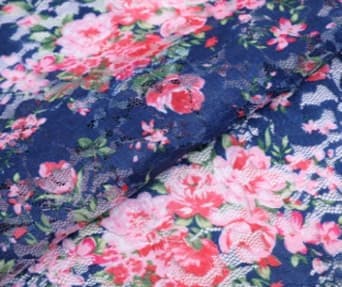
Learn what printed lace fabric is, how lace printing works, and how to choose the right printed lace for dresses, lingerie, bridalwear, and fashion applications.
Compare stretch lace and non stretch lace fabric for lingerie and apparel. Learn how elasticity, structure, and garment requirements affect your lace selection.
Learn what mulberry silk is, how gsm and momme weight affect fabric performance, and which weave — crepe, twill, jacquard, printed — fits your project.
Choosing the right custom leather key ring requires careful consideration of material quality, metal durability, logo customization options, and supplier capabilities.
Embroidery lace is a lace base — commonly stretch lace made from nylon — with a decorative pattern stitched directly into it using colored thread, rather than printed or dyed onto the surface.
real silk back satin fabric can be checked through four simple tests: a burn test on a small snipped sample, a hand-feel and drape check, a weight and thickness comparison against the supplier's stated spec, and a small paid sample order tested under real sewing or washing conditions.
The best way to care for and wash Lace Fabric is to clean it gently using cold or lukewarm water and a mild detergent. Hand washing is recommended for delicate lace, while machine washing should only be done on a gentle cycle with the fabric placed inside
Lace Fabric can be made from a variety of materials, including cotton, polyester, nylon, rayon, silk, and spandex. Each material offers different characteristics such as softnes
Cutting and sewing Stretch Lace Fabric requires proper techniques because the elastic structure can easily become distorted if handled incorrectly. To avoid damage, use sharp cutting tools,
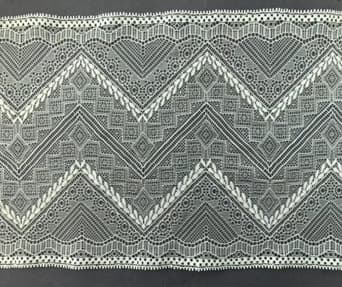
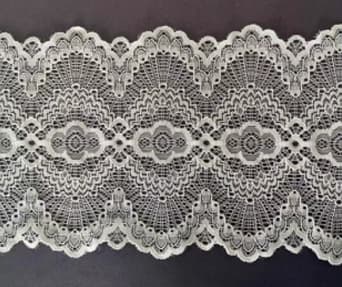
Stretch Lace Fabric is suitable for lingerie, underwear, dresses, wedding gowns, swimwear, fashion accessories, and other clothing applications that require flexibility, comfort,