Silk crepe fabric is valued for its fine pebbled surface, fluid drape, and subtle luster. These characteristics depend largely on yarn twist and weaving density, two variables that influence how silk fibers interact during weaving and finishing. In Silk fabric manufacturing, controlling these parameters helps producers achieve consistent texture, dimensional stability, and appearance across production batches.
For garment brands, textile wholesalers, and fabric importers, understanding the relationship between yarn structure and fabric construction is essential when specifying silk crepe for dresses, blouses, scarves, and other apparel. Excessive twist, unsuitable warp and weft density, or inconsistent finishing can change the hand feel and surface appearance, even when the same raw silk is used.
Silk crepe develops its characteristic granular surface through the interaction of yarn structure, weaving tension, and finishing conditions. Highly twisted yarns contain stored torsional energy. When the woven fabric undergoes appropriate wet processing, the yarns relax and contract, creating small surface irregularities that produce the familiar crepe texture.
Twist level influences both the intensity and uniformity of this effect. Higher twist generally increases yarn compactness and potential contraction, but excessive or inconsistent twist can create harshness, uneven puckering, or excessive fabric distortion. Lower twist may produce a softer, smoother surface with less pronounced crepe character.
The result also depends on the type of silk yarn, filament uniformity, twist direction, and the balance between warp and weft yarns. If the two directions behave differently during relaxation, the finished fabric may show uneven grain, directional texture, or dimensional distortion.
During raw silk processing, manufacturers must maintain consistent filament quality and yarn preparation. Differences in filament size, sericin content, moisture, and yarn tension can affect twist stability and subsequent finishing behavior. Twist specifications should therefore be established according to the desired crepe effect rather than selected independently of the fabric construction.
Weaving density refers to the number of warp and weft threads within a defined fabric width or length, commonly expressed as ends per inch and picks per inch. Together with yarn size and weave structure, density determines how closely the yarns interact and how much freedom they have to move during finishing.
Higher density generally creates a more compact fabric with greater yarn interaction. It can improve coverage and help produce a more controlled surface, but excessive density may restrict yarn contraction, reduce flexibility, and create a firmer hand. It may also increase weaving resistance and the risk of warp breakage when machine settings are unsuitable.
Lower density allows more space between yarns and may support greater flexibility and drape. However, an overly open construction can result in uneven coverage, unstable dimensions, snagging susceptibility, or excessive deformation during wet finishing.
Density must be considered alongside yarn twist. A highly twisted weft woven at excessive density may produce a compact, rigid fabric rather than a soft, flowing crepe. The same yarn woven at a more suitable density may develop a more balanced texture after finishing.
Yarn twist and weaving density should be developed as a coordinated system. Twist influences the yarn's tendency to contract and form surface irregularities, while density determines how much room the yarns have to move and interact. Their combined effect governs the finished fabric's grain, surface definition, weight, and drape.
For a fine, lightweight silk crepe, a manufacturer may select a suitable high-twist yarn and a relatively light construction to preserve fluid movement. For a heavier crepe with a more pronounced surface, a different combination of yarn size, twist, and density may be required. These are design directions rather than universal specifications; the final values depend on the intended fabric weight, weave structure, and finishing method.
Sample development should compare several twist and density combinations while keeping other variables controlled. Evaluating greige fabric alone is insufficient because the final texture develops further during degumming, relaxation, dyeing, and finishing. Manufacturers should assess both unfinished and finished samples to determine which construction delivers the required appearance and performance.
Consistent crepe texture begins before weaving. In silk textile manufacturing, raw silk quality, yarn preparation, loom settings, and finishing conditions must work together to preserve the intended fabric structure.
During yarn preparation, twist level and uniformity should be monitored because variations can cause alternating smooth and highly puckered areas. Warping and winding also require controlled tension. Excessive or uneven tension may stretch yarns, increase breakage, and create irregular warp conditions that remain visible after finishing.
During weaving, loom tension, yarn feeding, machine speed, and warp alignment affect the distribution of threads. Uneven tension can produce density variation, streaks, or inconsistent surface development. Regular inspection of ends per inch, picks per inch, and fabric width helps identify construction deviations before the material enters wet processing.
Finishing is particularly important because silk crepe texture depends on how the yarns relax and contract. Degumming removes sericin from silk fibers, changing their handle and flexibility. Subsequent washing, relaxation, dyeing, and drying can further influence surface definition and dimensional stability. Excessive mechanical tension or inconsistent temperature and moisture conditions may flatten the texture in some areas while intensifying it in others.
For reliable silk fabric production, process parameters should be documented and controlled across batches. Adjusting twist or density to compensate for an inconsistent finishing process may conceal the underlying problem rather than solve it.
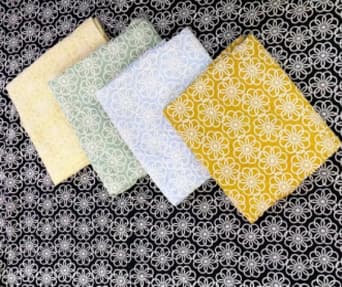
Uneven crepe texture can originate from yarn preparation, weaving, or finishing. Identifying the correct production stage is essential for preventing repeated defects.
Uneven puckering: May result from inconsistent yarn twist, unequal yarn tension, or uneven relaxation during wet finishing.
Hard or stiff hand feel: Can be associated with excessive twist, high construction density, unsuitable finishing, or insufficient relaxation.
Weak crepe definition: May occur when twist is insufficient, yarn contraction is restricted, or finishing conditions do not adequately develop the intended texture.
Visible density streaks: Can indicate irregular yarn feeding, incorrect loom settings, broken or missing threads, or inconsistent warp tension.
Excessive shrinkage or distortion: May result from unstable yarn structure, uneven wet processing, or inadequate dimensional control during drying and finishing.
Corrective action should be based on measurable evidence. For example, if the finished fabric has weak texture, manufacturers should verify yarn twist and finishing conditions before increasing density. If the fabric feels too stiff, both construction density and finishing tension should be reviewed rather than assuming that yarn twist is the only cause.
Quality inspection should evaluate the fabric at several stages, with particular attention to the relationship between construction parameters and finished texture.
Yarn inspection: Verify yarn count or linear density, twist level, twist direction, and uniformity. Sampling should cover different packages or production positions to detect variation that may lead to inconsistent crepe development.
Greige fabric inspection: Measure warp and weft density, width, and visible construction defects. Check for broken ends, missing picks, irregular tension, and streaks that could become more apparent after finishing.
Finished fabric testing: Assess surface uniformity, hand feel, drape, dimensional change, and color consistency. Dimensional stability and colorfastness tests should follow the buyer's specified methods and acceptance limits.
Batch consistency checks: Compare finished samples against an approved reference standard under consistent lighting and evaluation conditions. Where measurable, record fabric weight, density, shrinkage, and other agreed specifications to help identify process drift.
Testing should use documented sampling procedures and calibrated equipment. Visual assessment remains important for crepe texture, but it should be supported by measurable construction data and repeatable finishing controls.
For textile wholesalers, apparel manufacturers, and importers, specifying only the term silk crepe is not sufficient to ensure consistent quality. Different combinations of yarn twist, density, weave, and finishing can produce noticeably different fabrics.
Buyers should confirm the required silk composition, fabric weight, width, weave structure, texture intensity, drape, color, and acceptable dimensional change. Where the surface texture is critical, an approved finished sample should serve as the reference for bulk production.
It is also useful to request information about yarn preparation, weaving inspection, finishing controls, and batch traceability. Suppliers should be able to explain how they maintain consistent construction and identify defects before shipment. For repeat orders, documented specifications and retained reference samples help reduce differences between production batches.
Yarn twist and weaving density work together to determine the surface texture, softness, drape, and stability of silk crepe fabric. Twist controls the yarn's potential to contract and form a pebbled surface, while weaving density influences yarn movement, coverage, and structural compactness. Their interaction must be evaluated alongside raw silk quality, weaving tension, and wet-finishing conditions.
In silk fabric manufacturing, consistent results depend on controlled yarn preparation, accurate loom settings, stable finishing parameters, and effective quality inspection. For B2B buyers, evaluating these factors alongside an approved finished sample provides a more reliable basis for sourcing silk crepe that meets appearance, performance, and bulk-production requirements.

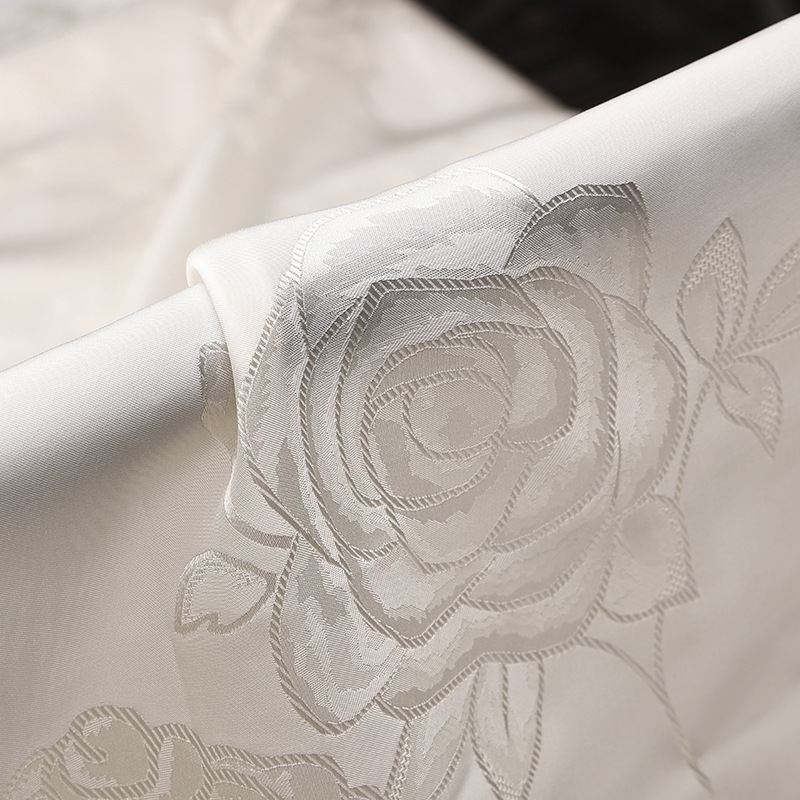
This fabric combines the smoothness and natural sheen of Mulberry Silk with the durability and versatility of Viscose, providing comfort and beauty for a variety of fashion applications.
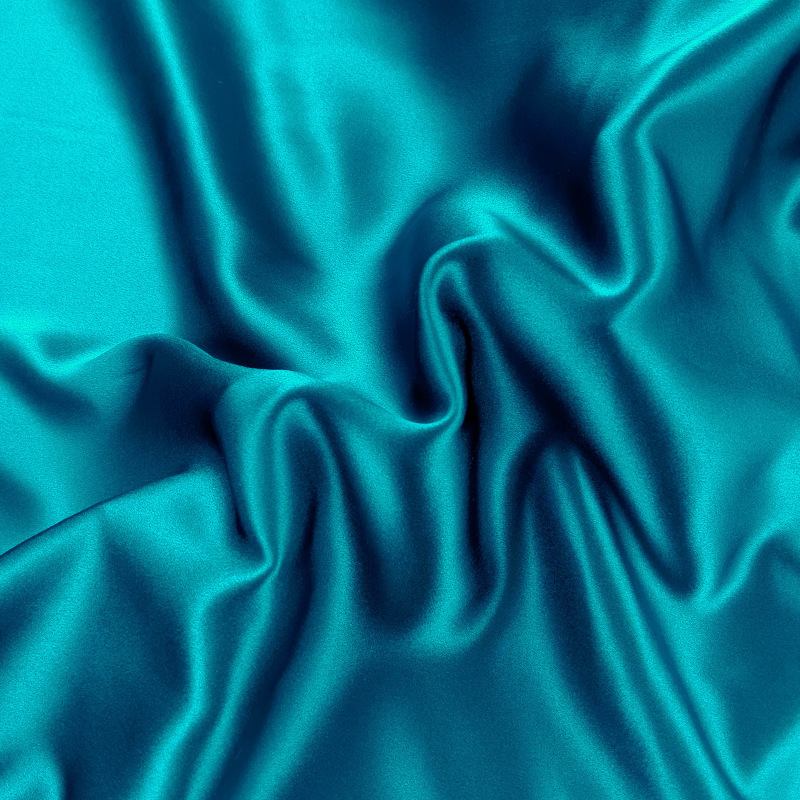
Used for all kinds of high-end silk bedding, such as silk four-piece sets, pillowcases, sheets, quilt covers, as well as silk scarves, summer pajamas, ladies' fashions and formal dresses, etc.
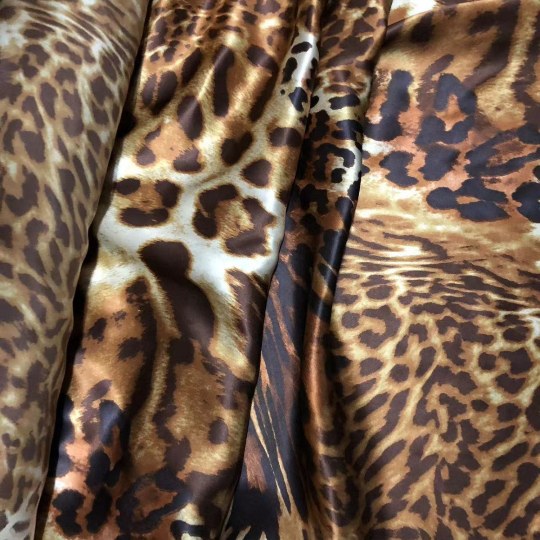
Leopard Jacquard Fabric is a luxurious and versatile textile characterized by its intricate woven patterns and elegant design.
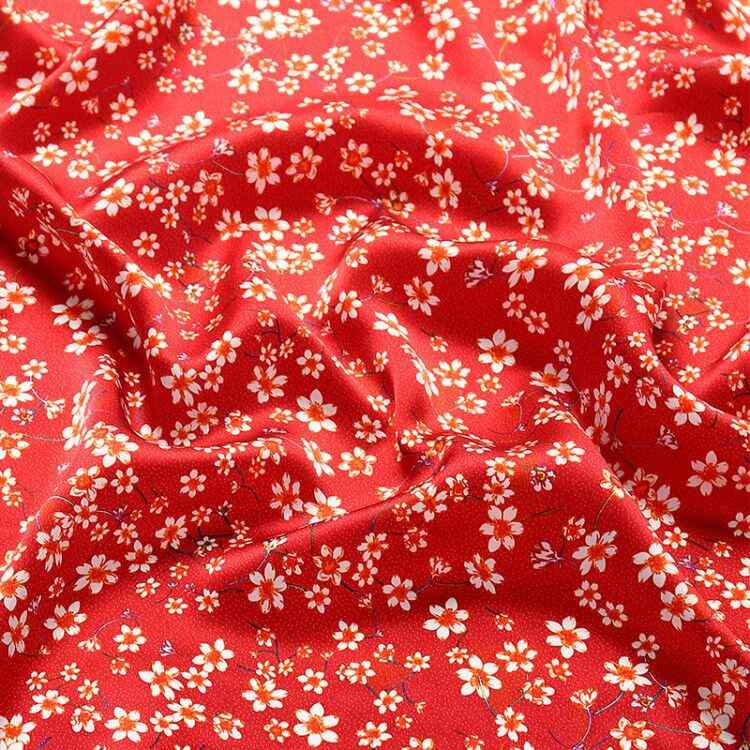
Floral Silk Fabric, crafted from Mulberry silk with a width of 140CM, a thickness of 16mm, and a weight of 68gsm, is ideal for creating elegant dresses, summer and spring outfits, luxurious sleepwear, and refined accessories like scarves and ties.
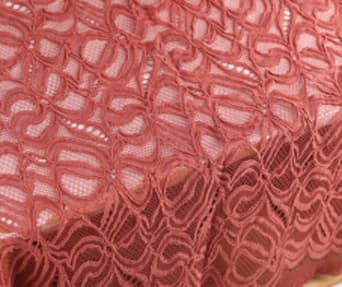
The best way to care for and wash Lace Fabric is to clean it gently using cold or lukewarm water and a mild detergent. Hand washing is recommended for delicate lace, while machine washing should only be done on a gentle cycle with the fabric placed inside
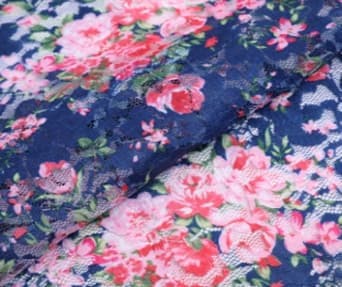
Lace Fabric can be made from a variety of materials, including cotton, polyester, nylon, rayon, silk, and spandex. Each material offers different characteristics such as softnes
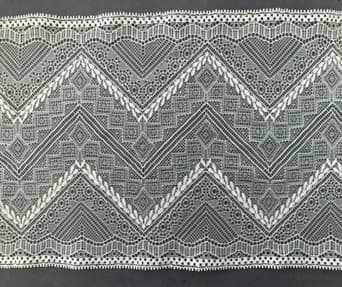
Corded lace is one of the most elegant and structurally rich types of lace used in fashion and textile design. It is widely applied in bridal gowns, evening dresses, lingerie, and decorative fabrics due to its raised outlines and three-dimensional texture. Unlike flat lace, corded lace is created by adding extra yarns or cords to emphasize floral or geometric patterns, making it more luxurious and visually striking.
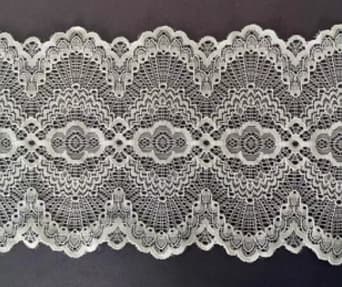
Corded lace is suitable for wedding dresses, evening gowns, blouses, skirts, lingerie, jackets, children's wear, and fashion accessories. Its raised embroidered patterns create a textured and elegant look that enhances both luxury and casual garments. Whether used as white lace or black corded lace fabric, it remains a versatile material widely used in modern fashion design.
Whatsapp: +86-137-1297-3009
Contact: Sophie Liao
Mailbox: sophie@chuanchencrafts.com
Add:Room 304, No.11, Jiaoyu Road, ZhangCun, Dongcheng Street, Dongguan City- 523112, China.

Wechat customer service
Copyright © 2026 Dongguan Chuanchen Craft Products Co., Ltd All rights reserved.