Lace fabric can be made from a variety of materials, including cotton, polyester, nylon, rayon, silk, and spandex. Each material offers different characteristics such as softness, durability, elasticity, breathability, and appearance. Cotton lace is valued for comfort, nylon and polyester lace provide strength and affordability, silk lace offers a luxurious finish, while spandex adds stretch for better flexibility. The choice of material depends on the intended application, whether for fashion apparel, bridal wear, lingerie, Home Textiles, or decorative accessories.
Lace Fabric has remained one of the most popular decorative textiles in the fashion and textile industry. Its delicate patterns and elegant appearance make it suitable for dresses, wedding gowns, lingerie, curtains, tablecloths, and many other products. While people often focus on the beautiful design of lace, the material used to produce it plays an equally important role. Different fibers influence the texture, durability, elasticity, and maintenance requirements of the finished fabric. Understanding these materials helps designers, garment manufacturers, wholesalers, and buyers choose the right Lace Fabric for their projects.
Modern Lace Fabric is manufactured using both natural and synthetic fibers. Each material offers unique benefits depending on the desired performance and appearance.
Cotton is one of the oldest materials used for lace production. It provides a soft hand feel, excellent breathability, and natural comfort. Cotton lace is commonly used for children's clothing, summer dresses, blouses, and vintage-inspired fashion. Because cotton absorbs moisture well, it is comfortable to wear throughout the day.
Although cotton lace feels pleasant against the skin, it generally wrinkles more easily than synthetic alternatives and may require additional care after washing.
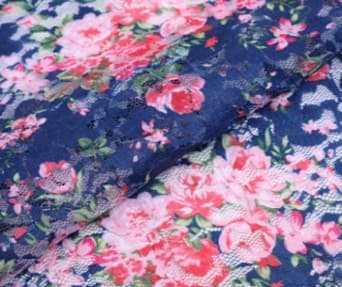
Polyester has become one of the most widely used materials for Lace Fabric because it combines durability with affordability. Polyester lace resists wrinkles, dries quickly, and maintains its shape after repeated washing. These characteristics make it popular for fashion garments, decorative textiles, and commercial production.
Many businesses sourcing Lace Fabric Wholesale choose polyester lace because it offers consistent quality and competitive pricing for large-volume orders.
Nylon is lightweight, smooth, and highly durable. It allows manufacturers to produce intricate lace patterns while maintaining excellent tensile strength. Nylon Lace Fabric is frequently selected for lingerie, intimate apparel, sportswear, and fashion accessories because it combines softness with flexibility.
Compared with cotton, nylon is less absorbent but offers better resistance to stretching and wear.
Silk lace represents the premium end of the market. It is known for its natural sheen, lightweight texture, and luxurious appearance. Bridal gowns, haute couture garments, and luxury evening dresses often feature silk lace to create an elegant finish.
Although silk provides exceptional beauty, it generally requires careful maintenance and is more expensive than synthetic materials.
Rayon is a semi-synthetic fiber made from regenerated cellulose. It combines the softness of natural fibers with the smooth appearance desired in decorative fabrics. Rayon lace drapes beautifully and is commonly found in women's fashion garments.
Some Lace Fabric includes a small percentage of spandex to improve elasticity. Stretch Lace is especially popular for lingerie, dancewear, sports apparel, and fitted garments that require greater flexibility without sacrificing decorative appeal.
The material chosen during production directly influences how Lace Fabric performs in practical applications.
Comfort: Cotton and rayon provide excellent breathability.
Durability: Polyester and nylon offer high strength and long service life.
Elasticity: Spandex blends improve stretch and recovery.
Luxury Appearance: Silk delivers a refined and elegant finish.
Easy Maintenance: Polyester typically requires less care than natural fibers.
Understanding these characteristics allows buyers to match the material with the final product requirements.
The manufacturing process begins with selecting appropriate yarns based on the desired texture and application. Advanced knitting, weaving, embroidery, or warp-knitting machines create intricate floral or geometric patterns. After production, the fabric may undergo dyeing, finishing, heat setting, softening, or special treatments to improve appearance and performance.
An experienced Lace Fabric Manufacturer carefully controls every stage of production, from yarn selection to quality inspection, ensuring that each batch meets customer specifications.
Different industries choose different materials according to functional requirements.
Wedding dresses often use silk or premium polyester lace.
Lingerie commonly features nylon or stretch lace.
Fashion apparel frequently combines cotton, polyester, and rayon lace.
Home decoration products may use durable polyester lace.
Children's garments often benefit from soft cotton lace.
The versatility of Lace Fabric makes it suitable for both decorative and functional applications across many industries.
Before purchasing Lace Fabric, buyers should evaluate several factors, including material composition, weight, pattern design, color consistency, durability, and intended use. Budget is also an important consideration, especially for large production orders.
A professional Lace Fabric Supplier can recommend suitable materials based on garment type, manufacturing process, and market requirements. Reliable suppliers usually provide technical specifications and sample swatches to support product development.
For apparel brands and wholesalers, selecting the right production partner is just as important as choosing the right material. An experienced Lace Fabric Factory offers stable production capacity, strict quality control, customized designs, and flexible order quantities. Manufacturers with modern equipment can produce a wide variety of lace patterns while maintaining consistent quality across large production runs.
Businesses that require customized colors, exclusive designs, or private-label production often benefit from working directly with a factory instead of purchasing through multiple intermediaries.
The materials used to make Lace Fabric determine its appearance, comfort, durability, and overall performance. Cotton provides natural softness, polyester delivers durability and cost efficiency, nylon offers strength and flexibility, silk creates a luxurious finish, while spandex improves elasticity. Understanding these material differences helps designers, manufacturers, and buyers make informed sourcing decisions. Whether purchasing small quantities or arranging Lace Fabric Wholesale for large-scale production, choosing the right material and working with an experienced manufacturer can contribute to better product quality and long-term business success.

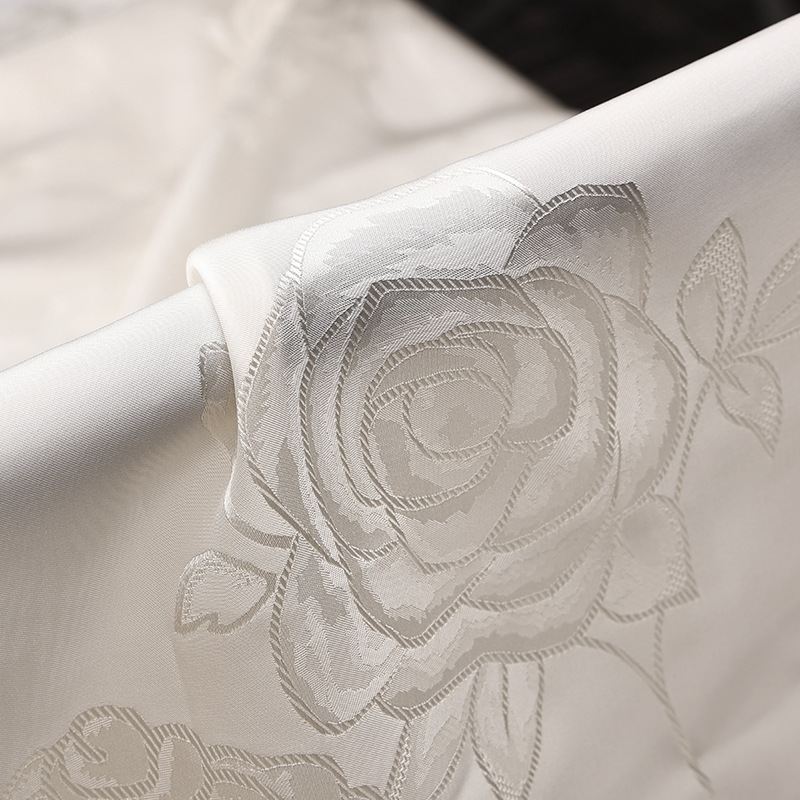
This fabric combines the smoothness and natural sheen of Mulberry Silk with the durability and versatility of Viscose, providing comfort and beauty for a variety of fashion applications.
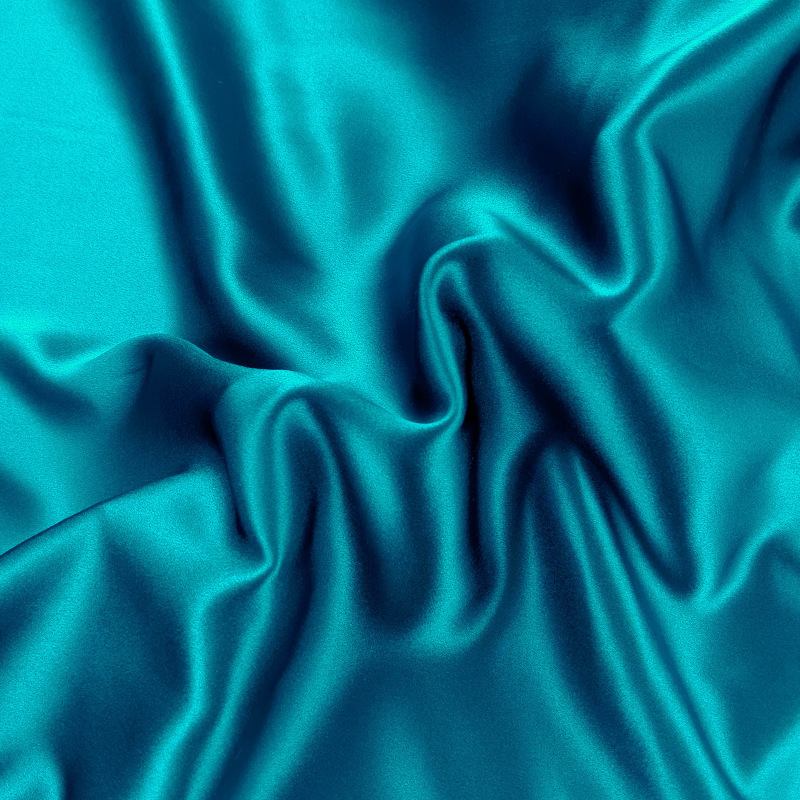
Used for all kinds of high-end silk bedding, such as silk four-piece sets, pillowcases, sheets, quilt covers, as well as silk scarves, summer pajamas, ladies' fashions and formal dresses, etc.
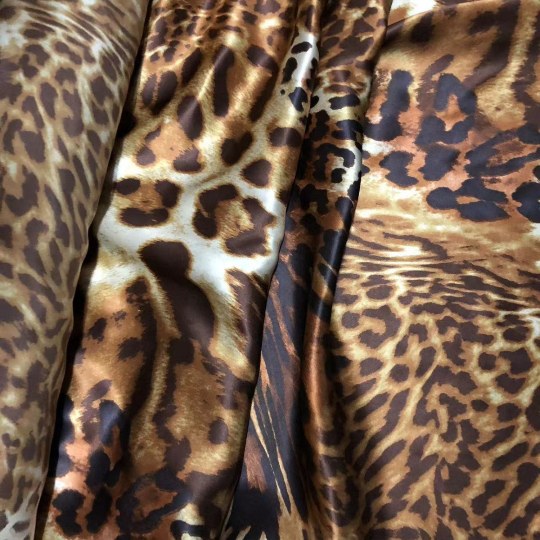
Leopard Jacquard Fabric is a luxurious and versatile textile characterized by its intricate woven patterns and elegant design.
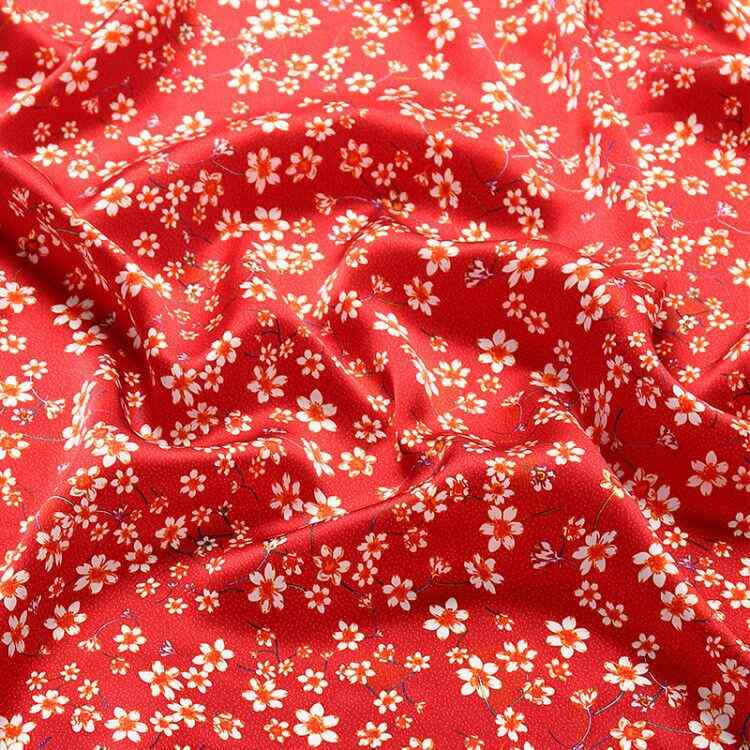
Floral Silk Fabric, crafted from Mulberry silk with a width of 140CM, a thickness of 16mm, and a weight of 68gsm, is ideal for creating elegant dresses, summer and spring outfits, luxurious sleepwear, and refined accessories like scarves and ties.
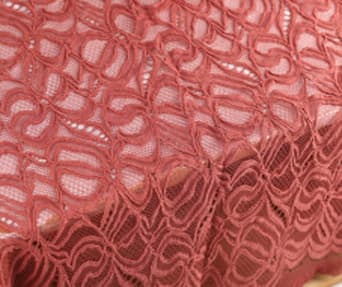
The best way to care for and wash Lace Fabric is to clean it gently using cold or lukewarm water and a mild detergent. Hand washing is recommended for delicate lace, while machine washing should only be done on a gentle cycle with the fabric placed inside
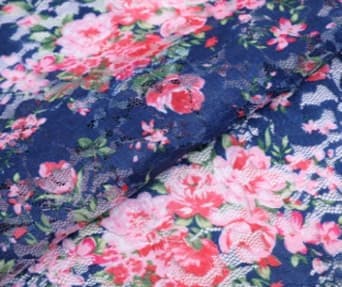
Lace Fabric can be made from a variety of materials, including cotton, polyester, nylon, rayon, silk, and spandex. Each material offers different characteristics such as softnes
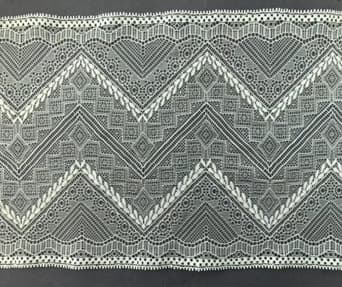
Corded lace is one of the most elegant and structurally rich types of lace used in fashion and textile design. It is widely applied in bridal gowns, evening dresses, lingerie, and decorative fabrics due to its raised outlines and three-dimensional texture. Unlike flat lace, corded lace is created by adding extra yarns or cords to emphasize floral or geometric patterns, making it more luxurious and visually striking.
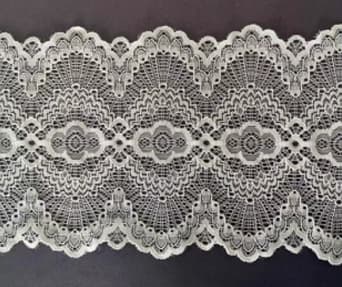
Corded lace is suitable for wedding dresses, evening gowns, blouses, skirts, lingerie, jackets, children's wear, and fashion accessories. Its raised embroidered patterns create a textured and elegant look that enhances both luxury and casual garments. Whether used as white lace or black corded lace fabric, it remains a versatile material widely used in modern fashion design.
Whatsapp: +86-137-1297-3009
Contact: Sophie Liao
Mailbox: sophie@chuanchencrafts.com
Add:Room 304, No.11, Jiaoyu Road, ZhangCun, Dongcheng Street, Dongguan City- 523112, China.

Wechat customer service
Copyright © 2026 Dongguan Chuanchen Craft Products Co., Ltd All rights reserved.