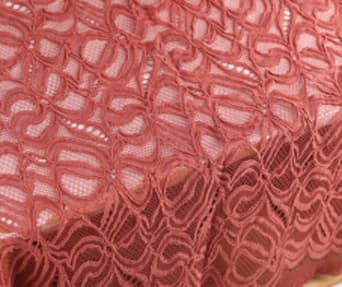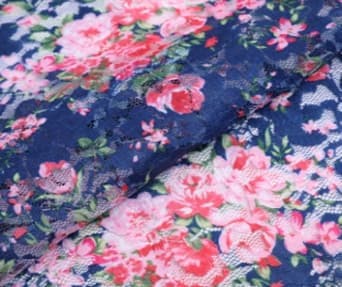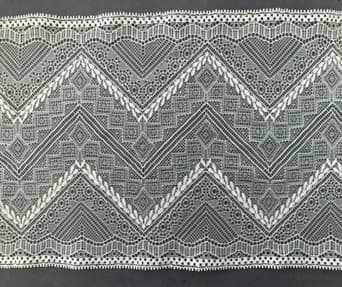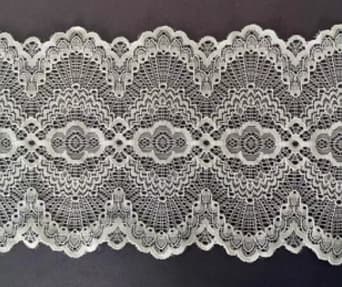

To dye a Nylon lace dress, first confirm that the fabric is made from nylon, select an acid dye suitable for polyamide fibers, and prepare a dye bath according to the dye manufacturer's instructions. The dress should be cleaned before dyeing, fully immersed in the dye solution, and moved gently to encourage even color distribution. Temperature and dye-bath acidity must be controlled throughout the process to avoid uneven shades or damage to delicate lace.
Nylon lace is generally suitable for dyeing because polyamide fibers have a good affinity for acid dyes. However, a lace dress may contain several different materials, including nylon mesh, embroidered threads, elastane, polyester lining, decorative beads, and sewing threads. These components may not absorb the same dye in the same way. Therefore, testing a small fabric sample before dyeing the entire dress is essential.
Why Does a Nylon Lace Dress Require Special Dyeing Care?
A nylon lace dress is different from an ordinary solid fabric garment. Its construction often includes open mesh sections, raised floral patterns, fine decorative threads, and delicate connecting yarns. These features can make uneven dye absorption more visible.
Nylon absorbs suitable dyes through interactions between dye molecules and the chemical groups in the polyamide fiber. Acid dyes are commonly used because they can form ionic interactions with amino groups in nylon under acidic conditions.
However, the entire dress may not be made from nylon. A Stretch Lace dress may contain elastane, while a lined dress may combine nylon lace with polyester or another lining material. If the different fibers respond differently to the dye, the finished garment may develop several shades instead of one consistent color.
For example, a wedding dress with white nylon lace, polyester lining, and decorative embroidered details may become uneven if only the nylon component absorbs the selected dye effectively. Understanding the material composition before starting is therefore just as important as selecting the dye.
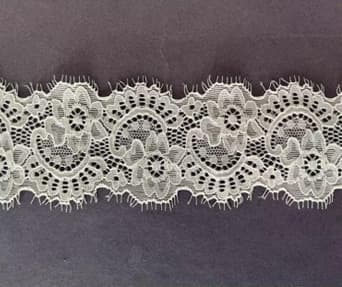
What Do You Need to Dye a Nylon Lace Dress?
Preparing the correct materials helps make the process more controlled and reduces the risk of damaging the garment.
Acid dye: Choose a dye specifically recommended for nylon or polyamide fibers.
Suitable dyeing container: Use a non-reactive container large enough for the dress to move freely in the dye bath.
Water: Prepare enough water to immerse the entire garment without tightly folding or compressing the lace.
Temperature thermometer: Monitor the water temperature throughout the process.
pH testing equipment: Check dye-bath acidity when the dye manufacturer's instructions require pH control.
Protective gloves: Protect your hands when handling dyes and dye solutions.
Soft stirring tool: Move the garment gently without pulling or stretching the lace.
It is important to follow the specific instructions supplied with the dye. Different acid dye formulations may require different temperatures, acidity levels, and processing times.
How Do You Prepare a Nylon Lace Dress Before Dyeing?
Preparation is one of the most important parts of the dyeing process. Dirt, body oils, detergent residues, and fabric finishes can interfere with dye absorption and create uneven coloration.
Check the Fabric Composition
Read the garment care label and identify the materials used in the lace, lining, embroidery, and stretch components.
If the dress contains 100% nylon lace, a nylon-compatible acid dye may be suitable. If it contains polyester or elastane, the dyeing process needs additional consideration because those fibers may require different dye systems or have different heat tolerances.
For example, a dress containing 85% nylon and 15% elastane should not automatically be treated like a 100% nylon garment. The elastane may be sensitive to the heat and chemicals used in the dye bath.
Clean the Dress Before Dyeing
Wash the dress gently according to its care instructions to remove surface contaminants. Avoid fabric softeners because residues may interfere with the wetting and dyeing process.
After cleaning, rinse the garment thoroughly so that detergent does not remain in the lace structure. Do not wring the fabric aggressively, as this can distort delicate mesh and embroidered patterns.
Perform a Small Fabric Test
Before dyeing the entire garment, test the dye on a hidden section or a matching fabric sample. This helps determine whether the material absorbs the color evenly and whether the resulting shade meets expectations.
For example, if the target color is dusty blue, the test sample can reveal whether the nylon produces a soft blue shade or a deeper color than expected. It can also show whether the embroidery and mesh sections develop noticeably different tones.
How to Dye a Nylon Lace Dress Step by Step
Once the fabric composition has been confirmed and the dye test is successful, the garment can be dyed using a controlled process.
Prepare the Dye Bath
Fill the dyeing container with enough water to allow the dress to move freely. Dissolve the acid dye separately if required by the product instructions, then add it to the water and mix thoroughly.
Adjust the dye-bath acidity according to the recommended formulation. Acid dyes commonly used for nylon operate under acidic conditions, often around pH 4–6, but the exact requirement depends on the dye's chemical properties.
For example, a commercial nylon dye formulation may require gradual acid addition to control how quickly the color attaches to the fibers. Adding too much acid too early can cause rapid dye absorption and uneven coloration.
Wet the Dress Before Immersion
Lightly wet the dress with clean water before placing it into the dye bath. This helps reduce trapped air and allows the dye liquor to contact the lace more evenly.
Make sure the floral sections, mesh openings, and folded areas are fully wetted. Trapped air or tightly compressed fabric can prevent the dye solution from reaching certain sections.
Introduce the Dress Into the Dye Bath
Place the dress into the prepared dye bath carefully. Spread the lace as much as possible and avoid leaving large sections folded together.
Move the garment gently to encourage even circulation. Lace should not be pulled, twisted, or rubbed aggressively because its fine yarns and decorative connections can become distorted.
Control the Temperature Gradually
Temperature plays an important role in nylon dyeing because it affects dye diffusion into the fiber. Conventional acid dyeing of nylon often uses elevated temperatures, with some processes operating close to boiling depending on the dye formulation.
For delicate lace garments, the temperature should follow the dye manufacturer's instructions and the garment's heat limitations. It should not be assumed that every nylon lace dress can safely withstand the same high-temperature process.
Published nylon dyeing research has examined conventional dyeing conditions ranging approximately from 50°C to 95°C. These temperatures demonstrate the range used in different technical processes, not a universal home-dyeing recommendation.
If the garment contains elastane, adhesives, delicate decorations, or a heat-sensitive lining, professional testing is particularly important before using an elevated-temperature dye bath.
Maintain Even Color Distribution
During dyeing, gently move the dress at regular intervals so that the dye solution can reach all sections of the lace. Pay particular attention to thick embroidered areas, seams, folds, and overlapping fabric.
For example, a floral lace dress may contain thicker embroidered flowers connected by a fine mesh background. If the garment remains folded in one position for too long, some sections may receive more dye exposure than others.
Uniform movement and sufficient dye-bath circulation help reduce these differences.
Rinse and Dry the Dress Carefully
When the dyeing process is complete, rinse the dress according to the dye manufacturer's instructions until excess dye is removed and the rinse water becomes sufficiently clear.
Avoid strong twisting or squeezing. Support the garment while removing excess water and allow it to dry according to its care requirements. Keeping the dress away from excessive direct heat helps reduce the risk of shrinkage or deformation.
Why Does Nylon Lace Sometimes Develop Uneven Color?
Uneven dyeing is a common concern when working with delicate lace. It can occur even when the correct dye is selected.
Different Fibers Absorb Dye Differently
A lace dress may contain nylon, polyester, elastane, cotton embroidery, or other decorative materials. These fibers have different chemical structures and dye affinities.
For example, acid dyes can color nylon effectively but may not produce the same shade on polyester. As a result, the mesh and embroidered sections may appear different after dyeing.
The Dye Bath Is Not Properly Mixed
If the dye is not completely dissolved or distributed throughout the water, concentrated areas may contact the fabric and create darker patches.
This problem is more noticeable in light-colored lace because even small differences in color absorption can be visible against the fine mesh background.
Temperature Changes Too Quickly
A rapid temperature increase can cause dye uptake to occur unevenly, particularly when using dyes with strong affinity for nylon.
In commercial textile dyeing, temperature profiles are carefully controlled to balance dye absorption and migration. This helps the dye distribute more evenly before the final shade develops.
Can You Dye a Nylon Lace Dress Without Losing Its Original Stretch?
It is possible to retain much of the original stretch, but the result depends on the fiber blend and processing conditions.
Many stretch Lace fabrics combine nylon with elastane to provide flexibility and shape recovery. Nylon may accept the dye while the elastane component responds differently to heat and chemical exposure.
Excessive temperature, unsuitable chemicals, or prolonged processing may reduce the performance of elastic fibers. Rough handling while wet can also distort the lace structure.
For a stretch lace evening dress, a small-scale dyeing trial should therefore evaluate both the final color and the fabric's stretch recovery. The fabric should still return to its original shape after stretching, rather than remaining loose or distorted.
How Can You Make the Color Last Longer After Dyeing?
Good color retention depends on suitable dye selection, proper fixation, thorough rinsing, and appropriate garment care.
After dyeing, excess unfixed dye should be removed using the washing or after-treatment method recommended for the selected dye. Some commercial acid dye systems may require an additional after-treatment to improve wet fastness.
For delicate lace dresses, washing should follow the garment's care label. Mild cleaning methods and reduced mechanical friction can help protect the fine yarns and decorative details.
Colorfastness should ideally be checked through standardized textile tests. ISO 105-C06 is used to evaluate colorfastness to domestic and commercial laundering, while ISO 105-X12 evaluates colorfastness to rubbing. These tests provide a more reliable assessment than simply checking whether the fabric looks unchanged after one rinse.
What Should Garment Manufacturers Consider When Developing Dyed Nylon Lace?
For garment manufacturers, dyeing should be considered during fabric development rather than treated as a final step after production.
Before selecting a nylon lace fabric, product developers should confirm its fiber composition, construction, stretch requirements, and compatibility with the intended dyeing process.
Color approval should also be completed before bulk production. A laboratory sample can be used to evaluate the shade, while production trials help identify differences caused by fabric density, dye-bath circulation, or processing conditions.
For example, a lingerie brand ordering several thousand meters of custom-colored stretch lace should confirm that the approved color sample can be reproduced consistently across different production batches. Color measurement using the CIE L*a*b* system and an agreed Delta E tolerance can help establish clear acceptance criteria.
Working with an experienced nylon lace manufacturer can help fashion brands evaluate fabric construction, color development, and production suitability before placing larger orders.
A reliable nylon lace supplier should also be able to provide fiber composition details, available color options, sample development support, and relevant quality information to help buyers select the right lace for their garment designs.
Dyeing a nylon lace dress requires the right dye, careful preparation, and controlled processing conditions. Acid dyes are commonly suitable for nylon because of their chemical affinity for polyamide fibers, but the presence of polyester, elastane, embroidery, and other garment components can affect the final result.
Testing a small sample before full-garment dyeing is one of the most effective ways to reduce the risk of uneven color, fabric distortion, and unwanted changes in stretch performance.
Whether developing custom-colored bridal lace, lingerie lace, or decorative fashion fabrics, understanding the relationship between fiber composition and dyeing conditions helps achieve more reliable results and better garment quality.