The nylon and spandex ratios in a lace elastic Band directly influence its stretchability, recovery, softness, durability, and dimensional stability. Nylon provides strength, abrasion resistance, and a smooth textile surface, while spandex gives the band elasticity and the ability to return to its original shape after stretching. Changing the proportion of these fibers affects not only the finished fabric's performance but also its manufacturing process, appearance, and suitability for different applications.
For lingerie brands, garment manufacturers, wholesalers, and importers, choosing the right fiber ratio is essential. A lace elastic band with insufficient spandex may lose its holding force, while excessive spandex can increase production costs and create difficulties in controlling fabric tension. Understanding how fiber composition interacts with yarn structure, knitting parameters, dyeing, and finishing helps buyers evaluate product quality more accurately.
Nylon and spandex contribute different mechanical properties to lace elastic fabric. Nylon is a synthetic polyamide fiber known for tensile strength, abrasion resistance, dimensional stability, and relatively good dyeability. It forms the structural foundation of the fabric and helps maintain the lace pattern during repeated use.
Spandex is an elastomeric fiber designed to stretch considerably and recover after the applied force is removed. In Lace Elastic Bands, it provides the elasticity required for a close fit without excessive pressure. Its performance depends on fiber quality, yarn construction, feeding tension, and the proportion used in the finished fabric.
These fibers work together rather than independently. Nylon helps maintain fabric structure, while spandex supplies elastic recovery. The final performance depends on their interaction with yarn arrangement, knitting density, and fabric construction.
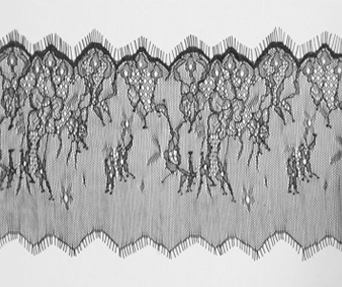
A higher nylon proportion generally contributes to fabric strength, dimensional stability, and a firmer hand feel. However, if the spandex content is insufficient for the intended construction, the band may feel less elastic and struggle to recover after repeated stretching.
Increasing the spandex proportion can improve extensibility and recovery, making the lace more suitable for applications requiring a flexible fit. However, excessive elasticity is not always beneficial. A band that stretches too easily may provide insufficient support, while excessive tension can make garments uncomfortable and increase stress on seams.
Fiber ratios should therefore be selected according to the intended end use rather than following a universal formula. Lingerie waistbands, bra bands, underwear trims, and decorative garment elastics have different requirements for stretch, support, softness, and recovery.
During product development, manufacturers should evaluate the actual stretch percentage and recovery behavior of the finished fabric. Testing only the raw yarn composition cannot fully predict performance because knitting density, yarn tension, and finishing treatments also affect elasticity.
The performance of a Lace Elastic Band is determined not only by fiber percentages but also by how nylon and spandex yarns are incorporated into the textile structure.
Warp knitting and other elastic fabric constructions require precise control of yarn feeding, machine tension, stitch density, and pattern formation. If spandex feeding tension is too high, the fabric may become excessively tight after relaxation. If tension is too low or inconsistent, the band may develop uneven elasticity, wrinkles, or dimensional variations.
Nylon yarn count and filament characteristics also influence fabric thickness, surface smoothness, and pattern definition. Fine filaments can create a softer appearance, while heavier yarn structures may provide greater coverage and a firmer hand feel.
During production, machine settings must remain consistent across the fabric width and between production batches. A Lace Elastic Band Factory should monitor yarn feeding tension, machine speed, needle condition, and fabric density to reduce defects such as uneven loops, broken elastic yarns, and inconsistent stretch.
Dyeing and heat setting are important stages because nylon and spandex respond differently to temperature and chemical conditions. Nylon absorbs dyes through its molecular structure, while spandex requires compatible processing conditions to maintain its elastic properties.
Excessive dyeing temperatures, unsuitable chemicals, or prolonged processing may damage spandex and reduce recovery performance. Uneven dye absorption can also create color differences between production batches or across the fabric width.
Heat setting helps stabilize fabric dimensions and control its final width and shape. However, temperature, exposure time, and tension must be carefully controlled. Excessive heat may cause elastic deterioration, while insufficient setting can result in unstable dimensions and fabric shrinkage during subsequent use.
Manufacturers should establish processing parameters according to the specific nylon and spandex yarn specifications. Production samples should be checked for color consistency, dimensional stability, and elasticity after dyeing and finishing rather than relying only on greige fabric inspection.
Repeated stretching, friction, washing, and exposure to body moisture gradually affect elastic fabric performance. Nylon contributes abrasion resistance and structural strength, while spandex helps the band maintain its original dimensions after repeated deformation.
If the spandex quality is poor or its processing conditions are unsuitable, the band may gradually lose elasticity. If the nylon structure is weak or the knitting density is inconsistent, the lace may develop broken filaments, surface damage, or premature deformation.
Comfort is another important consideration. A higher spandex proportion does not automatically create a softer fabric. Surface texture, filament fineness, knitting structure, finishing agents, and fabric thickness all influence how the band feels against the skin.
For lingerie and underwear applications, manufacturers should balance elastic recovery with softness and skin comfort. The finished product should maintain sufficient support without creating excessive pressure or irritation during normal wear.
Fiber composition alone cannot guarantee consistent product performance. Quality inspection should evaluate the finished fabric under conditions that reflect actual garment use.
Fiber composition testing: Verify nylon and spandex content against the agreed material specifications.
Tensile and elongation testing: Measure how far the band stretches under a defined force.
Elastic recovery testing: Evaluate whether the fabric returns to its original dimensions after repeated stretching.
Dimensional stability testing: Measure width and length changes after washing or other specified treatments.
Colorfastness testing: Check resistance to color transfer during washing, rubbing, and other relevant conditions.
Abrasion testing: Evaluate surface durability under repeated friction.
Testing conditions must be standardized, including applied force, stretching cycles, recovery time, temperature, and measurement method. Without consistent procedures, results from different production batches or suppliers may not be directly comparable.
Inspection should also take place during knitting, dyeing, finishing, and final packaging. Detecting broken spandex yarns or uneven fabric density during production is generally more effective than identifying the same defects after the entire batch has been completed.
For overseas buyers, selecting a reliable Lace Elastic Band Manufacturer requires more than comparing nylon and spandex percentages. The supplier should understand how material composition, knitting construction, dyeing conditions, and finishing processes affect the final product.
Before placing a bulk order, buyers should evaluate several factors:
Material transparency: Confirm the nylon and spandex composition and whether the material specifications remain consistent between batches.
Performance samples: Request samples for stretch, recovery, softness, and dimensional stability evaluation.
Manufacturing capability: Check knitting equipment, yarn control, dyeing processes, and finishing capabilities.
Quality management: Ask about inspection procedures, testing equipment, and batch traceability.
Customization: Confirm whether width, pattern, color, elasticity, and fiber ratios can be adjusted for specific applications.
Experienced Lace Elastic Band Manufacturers should be able to recommend material combinations based on the required stretch and support rather than simply offering standard compositions. A qualified Lace Elastic Band Supplier should also provide consistent samples and clear technical specifications before mass production.
For importers purchasing from multiple Lace Elastic Band Suppliers, standardized testing requirements are particularly important. They help compare products objectively and reduce the risk of receiving fabrics with noticeably different elasticity or dimensions.
Nylon and spandex ratios influence nearly every important performance characteristic of a Lace Elastic Band, including stretchability, recovery, strength, comfort, and durability. However, fiber composition is only one part of the equation. Yarn construction, knitting tension, dyeing temperature, heat setting, and manufacturing consistency determine whether the finished fabric achieves its intended performance.
For lingerie brands, wholesalers, and garment manufacturers, the best material combination is the one that meets the actual application requirements. Working with an experienced Lace Elastic Band Factory that controls both material selection and production processes helps ensure consistent quality, reliable elasticity, and better performance in finished garments.

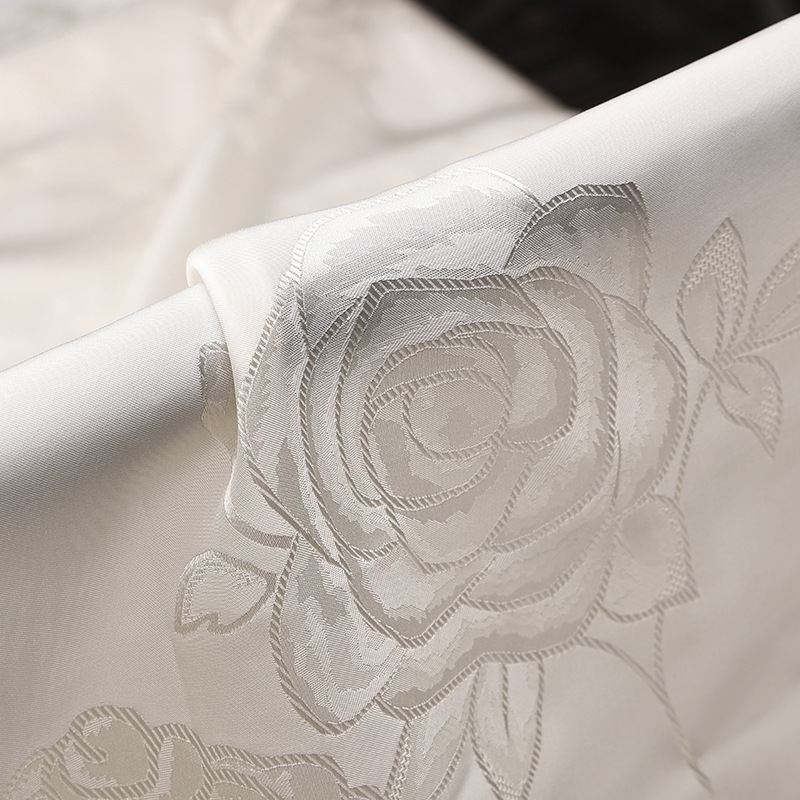
This fabric combines the smoothness and natural sheen of Mulberry Silk with the durability and versatility of Viscose, providing comfort and beauty for a variety of fashion applications.
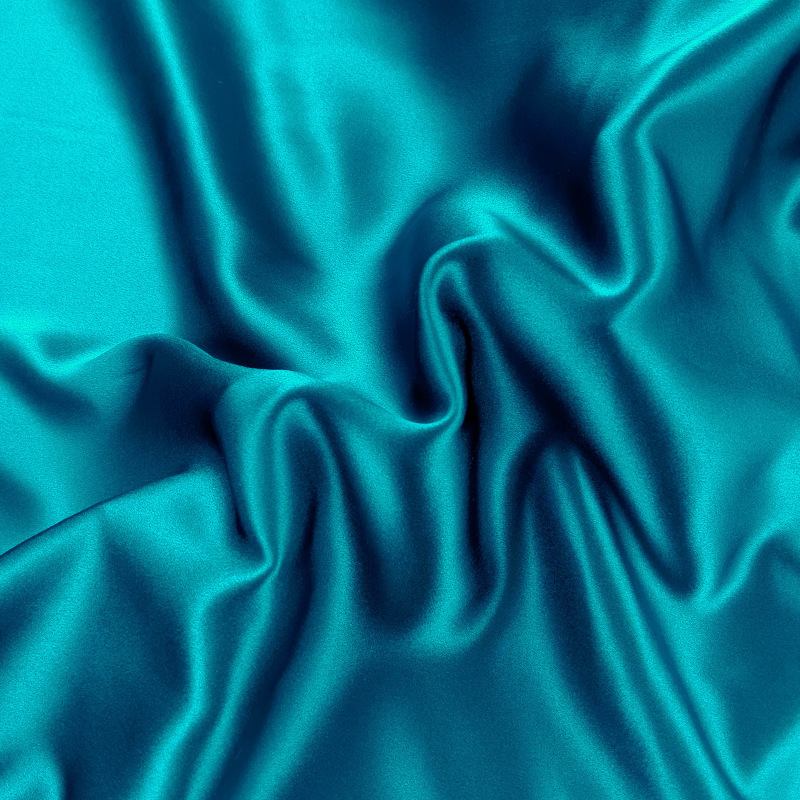
Used for all kinds of high-end silk bedding, such as silk four-piece sets, pillowcases, sheets, quilt covers, as well as silk scarves, summer pajamas, ladies' fashions and formal dresses, etc.
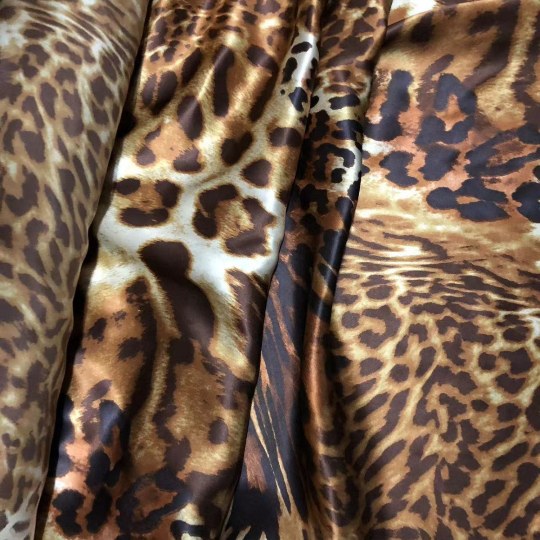
Leopard Jacquard Fabric is a luxurious and versatile textile characterized by its intricate woven patterns and elegant design.
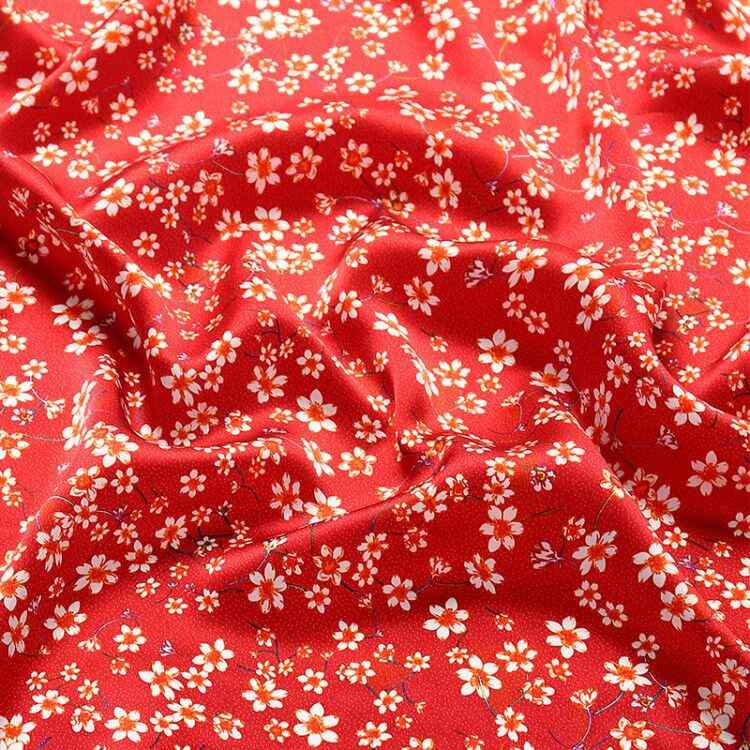
Floral Silk Fabric, crafted from Mulberry silk with a width of 140CM, a thickness of 16mm, and a weight of 68gsm, is ideal for creating elegant dresses, summer and spring outfits, luxurious sleepwear, and refined accessories like scarves and ties.
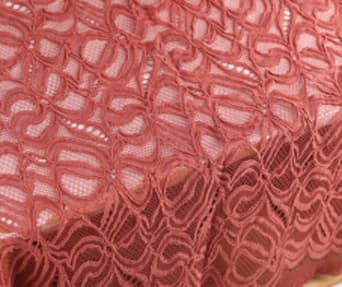
The best way to care for and wash Lace Fabric is to clean it gently using cold or lukewarm water and a mild detergent. Hand washing is recommended for delicate lace, while machine washing should only be done on a gentle cycle with the fabric placed inside
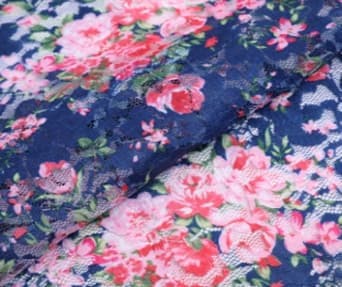
Lace Fabric can be made from a variety of materials, including cotton, polyester, nylon, rayon, silk, and spandex. Each material offers different characteristics such as softnes
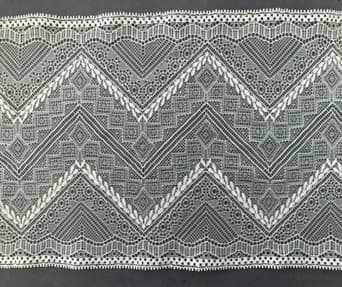
Corded lace is one of the most elegant and structurally rich types of lace used in fashion and textile design. It is widely applied in bridal gowns, evening dresses, lingerie, and decorative fabrics due to its raised outlines and three-dimensional texture. Unlike flat lace, corded lace is created by adding extra yarns or cords to emphasize floral or geometric patterns, making it more luxurious and visually striking.
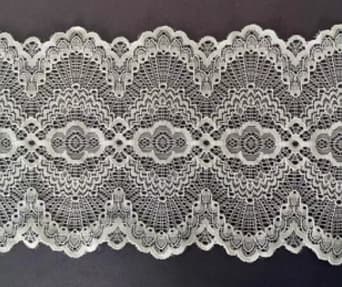
Corded lace is suitable for wedding dresses, evening gowns, blouses, skirts, lingerie, jackets, children's wear, and fashion accessories. Its raised embroidered patterns create a textured and elegant look that enhances both luxury and casual garments. Whether used as white lace or black corded lace fabric, it remains a versatile material widely used in modern fashion design.
Whatsapp: +86-137-1297-3009
Contact: Sophie Liao
Mailbox: sophie@chuanchencrafts.com
Add:Room 304, No.11, Jiaoyu Road, ZhangCun, Dongcheng Street, Dongguan City- 523112, China.

Wechat customer service
Copyright © 2026 Dongguan Chuanchen Craft Products Co., Ltd All rights reserved.