Yes, Nylon lace can be dyed, and it generally accepts color more readily than many other synthetic lace materials. Nylon is a polyamide fiber with chemical groups that allow it to interact with certain dyes, particularly acid dyes developed for nylon and other polyamide textiles. With the correct dye type, temperature, and dye-bath conditions, nylon lace can be colored in a range of shades, from soft pastels to deeper and more saturated colors.
However, the final result depends on more than the dye itself. Fiber composition, lace construction, existing finishes, fabric thickness, and dyeing conditions all affect color absorption and uniformity. A Lace fabric made from 100% nylon may produce a different result from a nylon-polyester blend or a lace fabric containing elastane. Therefore, checking the fiber composition before dyeing is an important first step.
Nylon is a synthetic polyamide fiber. Unlike some synthetic materials with limited dye affinity, nylon contains amide linkages and terminal amino groups that can interact with suitable dye molecules. These chemical properties make nylon compatible with several dye classes, especially acid dyes.
During acid dyeing, the amino groups in nylon can become positively charged under acidic conditions. They attract negatively charged dye molecules, allowing the color to become attached to the fiber. Heat helps increase molecular movement within the fiber and improves dye diffusion, making it easier for the color to penetrate the material rather than remaining only on the surface.
This is one reason acid dyes are widely used in commercial polyamide textile dyeing. For example, technical studies on nylon 66 have examined acid dye uptake at temperatures of 60°C, 68°C, and 75°C. The research found that higher dyeing temperatures generally increased dye uptake under the tested conditions, although the actual result also depended on dye affinity and bath acidity.
For a nylon lace manufacturer, understanding this relationship is important when developing different colors for lingerie, wedding dresses, eveningwear, and decorative textile applications. The dyeing process must achieve the required shade without damaging the lace structure or changing its original hand feel.
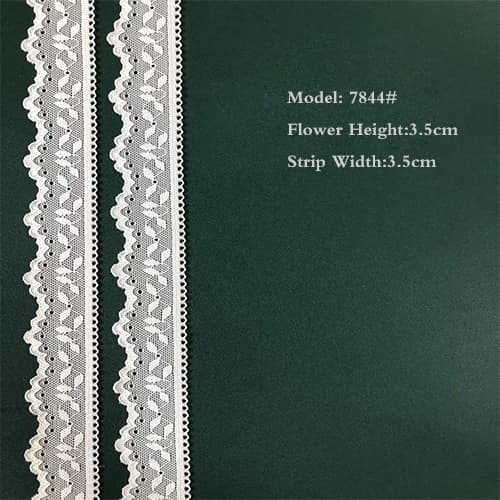
Not all textile dyes work equally well on nylon. Selecting a dye according to the fiber composition is essential for achieving consistent color and acceptable washing performance.
Acid dyes are among the most commonly used dye types for nylon fabrics. They are particularly suitable for polyamide fibers because their negatively charged dye groups can interact with protonated amino groups in nylon.
They are available in a wide range of colors, including red, blue, yellow, black, and various intermediate shades. Depending on the dye formulation, they can be used to produce light, medium, and deep colors.
For example, a nylon lace fabric used in a bridal garment may require a soft ivory or pale pink shade. An appropriately selected acid dye can help achieve the desired color while retaining the delicate lace pattern. The exact shade will depend on the original fabric color, dye concentration, temperature, and processing time.
Disperse dyes can also be used on certain polyamide materials, although acid dyes are generally a more common choice for nylon. Their application depends on the specific dye formulation, fiber type, and desired color performance.
They are also widely associated with polyester dyeing. This distinction matters when working with lace blends because a dye that colors nylon effectively may not produce the same result on polyester fibers.
If a lace fabric contains both nylon and polyester, the two fiber components may absorb color differently. This can create slight shade variations within the same fabric, particularly when the dye system is designed primarily for one fiber type.
Even when the correct dye is selected, several factors can influence how evenly the color develops. These factors are especially important for lace because its open structure and fine yarns make uneven coloration more noticeable.
The first factor is the actual fiber content. Pure nylon lace generally responds well to suitable nylon dyes, but blended materials require additional consideration.
For example, a lace fabric made from 90% nylon and 10% elastane may behave differently from a 100% nylon fabric. Nylon can absorb acid dyes, while elastane may have different dyeing characteristics and temperature limitations. If the dye bath is too hot or the processing conditions are unsuitable, the elastic component may lose some of its original performance.
Similarly, nylon-polyester lace may develop an uneven appearance because the two fibers do not necessarily have the same dye affinity. A fabric supplier should identify the blend ratio before recommending a dyeing process.
Temperature affects how quickly dye molecules move into nylon fibers. If the temperature is too low, dye penetration may be limited, resulting in a lighter shade or uneven coloration. If the temperature rises too quickly, the dye may attach rapidly to certain areas before it has enough time to distribute evenly.
Conventional nylon dyeing processes commonly use elevated temperatures, with actual operating conditions depending on the acid dye formulation and equipment. Published textile research has examined nylon dyeing over a range of approximately 50°C to 95°C, while some industrial processes use temperatures closer to boiling.
For delicate lace, temperature control is particularly important because fine yarns and elastic components may be more sensitive to excessive heat than ordinary woven fabrics.
The acidity of the dye bath influences the electrical charge of nylon and the rate at which dye molecules are absorbed. Acid dyeing of nylon commonly uses an acidic bath, often within a pH range of approximately 4–6, although the ideal value depends on the dye chemistry.
If the bath becomes too acidic too early, some high-affinity dyes may be absorbed too quickly, creating uneven coloration. Gradually controlling acidity can help improve dye migration and shade uniformity.
For example, when dyeing a large batch of light-colored nylon lace, a controlled pH and gradual temperature increase can help reduce differences between the first and last sections of the material.
Nylon lace can have different structures, including floral lace, Stretch Lace, mesh lace, embroidered lace, and corded lace. These constructions affect how dye liquor moves through the material.
Open mesh structures generally allow dye liquor to circulate easily, while dense embroidery and thicker decorative sections may require more attention to ensure uniform coverage.
For example, a floral lace fabric with raised embroidered patterns may develop slight color differences between the decorative threads and the mesh background if the yarns have different fiber compositions or finishes.
Yes. White nylon lace can generally be dyed into many different colors, provided that the material is compatible with the selected dye system.
White lace is often a suitable starting point because it does not contain a strong existing color that competes with the new shade. However, the final color may still be influenced by optical brighteners, fabric finishes, and the original whiteness of the material.
For example, a designer who wants to change white nylon lace into champagne or dusty rose should first test a small fabric sample. A pale base color may produce a softer result than expected, while a fabric containing optical brighteners may appear different under various lighting conditions.
It is also important to remember that dyeing generally adds color rather than removing it. A dark nylon lace fabric cannot usually be turned into a clean white shade through ordinary dyeing.
It can, depending on the fiber composition and processing conditions. Nylon itself has good flexibility, but lace fabrics may also contain elastane or other fibers that contribute to stretch recovery and softness.
Excessive heat, unsuitable chemicals, aggressive mechanical handling, and prolonged processing can affect the fabric's original characteristics. Delicate lace may also become distorted if it is twisted, stretched, or handled roughly while wet.
Consider a stretch nylon lace used for lingerie production. The fabric must retain both its decorative appearance and its ability to recover after stretching. If dyeing conditions are too aggressive, the color may look acceptable while the fabric loses some of its original elasticity.
For this reason, commercial dyeing trials should evaluate color consistency, dimensional stability, stretch recovery, and hand feel rather than checking color depth alone.
Consistent color is important for apparel manufacturers, fabric wholesalers, and fashion brands that purchase nylon lace in multiple production batches.
A reliable process usually starts with fiber identification and a laboratory dyeing trial. The sample is dyed using the proposed formulation, then checked for shade accuracy, color uniformity, and fastness performance before bulk production begins.
Color measurement instruments can help compare production samples with an approved color standard. For example, the CIE L*a*b* color system measures lightness and the red-green and yellow-blue color directions. The color difference between a production sample and a reference can be expressed as Delta E (ΔE).
A lower ΔE generally indicates a closer color match. In practical production, the acceptable tolerance should be agreed upon between the buyer and supplier rather than assuming one universal value for every lace product.
When evaluating a nylon lace supplier, buyers should also ask about fiber composition, dyeing capability, sample approval procedures, batch control, and relevant colorfastness testing.
Nylon lace can be dyed successfully because the chemical structure of polyamide fibers provides good affinity for suitable dye systems, particularly acid dyes. However, achieving a consistent shade requires proper control of fiber composition, dye selection, temperature, pH, and processing conditions.
For fashion brands and garment manufacturers, a small-scale dyeing test is an effective way to confirm the expected result before committing to bulk production. It also helps identify potential issues with blended fibers, stretch performance, and fabric appearance.
Whether sourcing floral lace, stretch lace, embroidered lace, or custom-colored decorative fabrics, working with an experienced nylon lace manufacturer can help ensure that material selection and color development meet the requirements of the final garment.
A professional nylon lace supplier should be able to provide clear fiber specifications, color samples, and production information to support more consistent sourcing and product development.

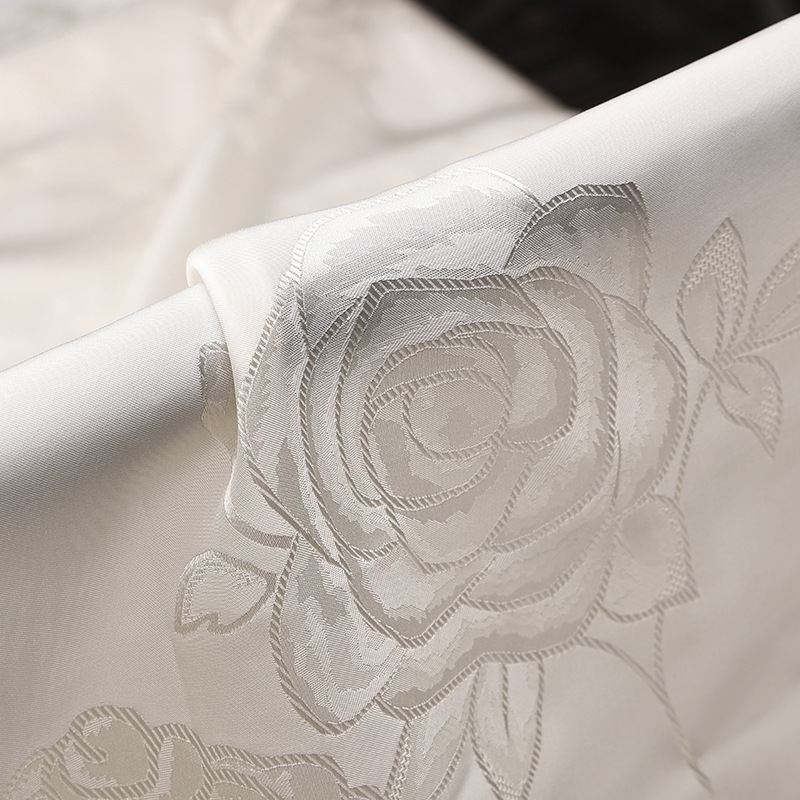
This fabric combines the smoothness and natural sheen of Mulberry Silk with the durability and versatility of Viscose, providing comfort and beauty for a variety of fashion applications.
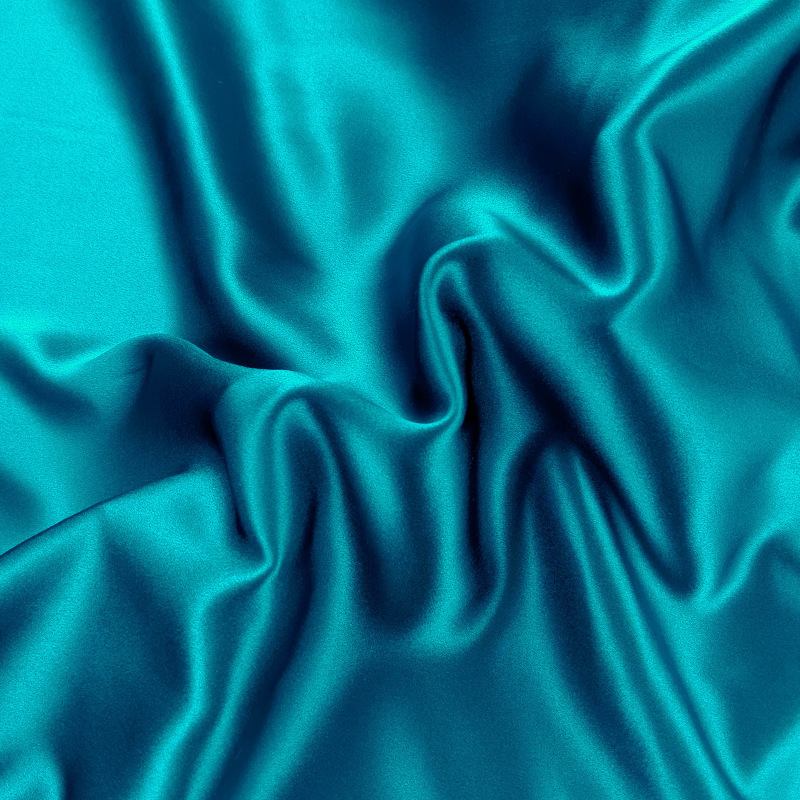
Used for all kinds of high-end silk bedding, such as silk four-piece sets, pillowcases, sheets, quilt covers, as well as silk scarves, summer pajamas, ladies' fashions and formal dresses, etc.
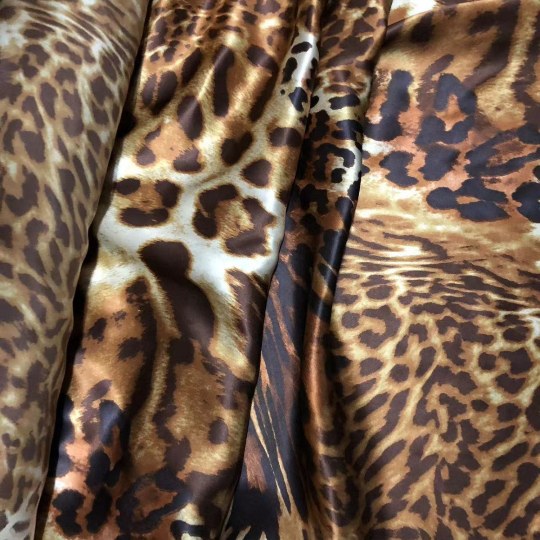
Leopard Jacquard Fabric is a luxurious and versatile textile characterized by its intricate woven patterns and elegant design.
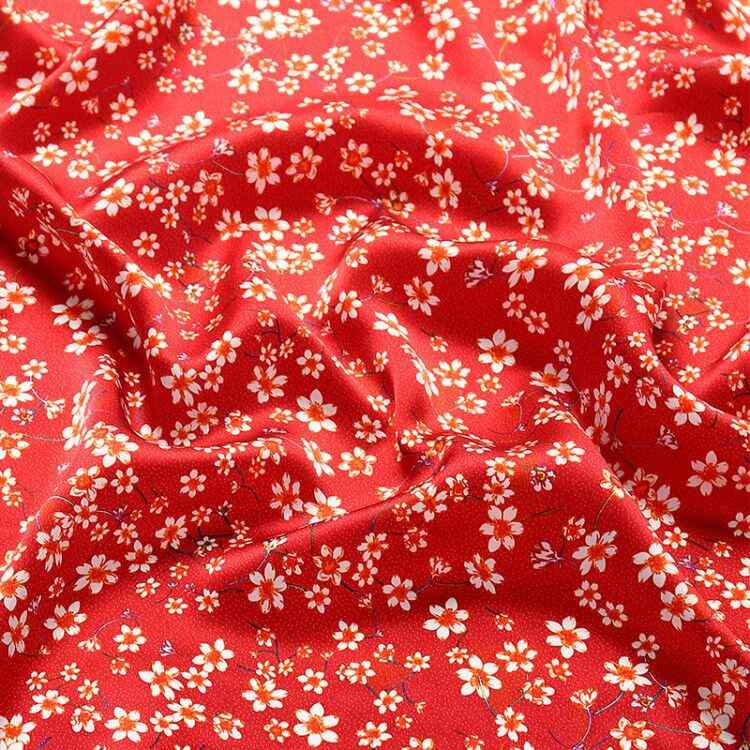
Floral Silk Fabric, crafted from Mulberry silk with a width of 140CM, a thickness of 16mm, and a weight of 68gsm, is ideal for creating elegant dresses, summer and spring outfits, luxurious sleepwear, and refined accessories like scarves and ties.
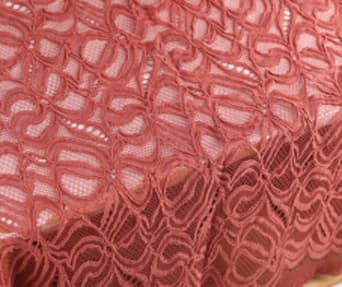
The best way to care for and wash Lace Fabric is to clean it gently using cold or lukewarm water and a mild detergent. Hand washing is recommended for delicate lace, while machine washing should only be done on a gentle cycle with the fabric placed inside
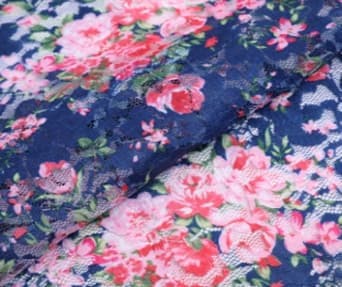
Lace Fabric can be made from a variety of materials, including cotton, polyester, nylon, rayon, silk, and spandex. Each material offers different characteristics such as softnes
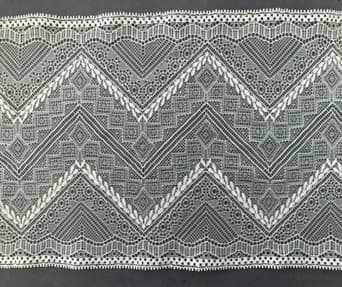
Corded lace is one of the most elegant and structurally rich types of lace used in fashion and textile design. It is widely applied in bridal gowns, evening dresses, lingerie, and decorative fabrics due to its raised outlines and three-dimensional texture. Unlike flat lace, corded lace is created by adding extra yarns or cords to emphasize floral or geometric patterns, making it more luxurious and visually striking.
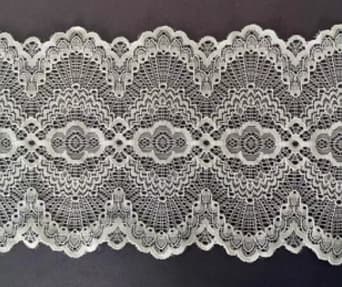
Corded lace is suitable for wedding dresses, evening gowns, blouses, skirts, lingerie, jackets, children's wear, and fashion accessories. Its raised embroidered patterns create a textured and elegant look that enhances both luxury and casual garments. Whether used as white lace or black corded lace fabric, it remains a versatile material widely used in modern fashion design.
Whatsapp: +86-137-1297-3009
Contact: Sophie Liao
Mailbox: sophie@chuanchencrafts.com
Add:Room 304, No.11, Jiaoyu Road, ZhangCun, Dongcheng Street, Dongguan City- 523112, China.

Wechat customer service
Copyright © 2026 Dongguan Chuanchen Craft Products Co., Ltd All rights reserved.