Corded lace is one of the most elegant and structurally rich types of lace used in fashion and textile design. It is widely applied in bridal gowns, evening dresses, lingerie, and decorative fabrics due to its raised outlines and three-dimensional texture. Unlike flat lace, corded lace is created by adding extra yarns or cords to emphasize floral or geometric patterns, making it more luxurious and visually striking.
To understand its value and performance, it is important to explore the materials used to make corded lace, how these materials influence texture, durability, and appearance, and how different variations such as black corded lace and black corded Lace fabric are produced for modern fashion applications.
Corded lace is typically built on a fine mesh or net background, which serves as the foundation. On top of this base, decorative threads are stitched in patterns and then reinforced with thicker cords. These cords create raised outlines, giving the lace a sculpted, dimensional effect.
The combination of base fabric and decorative cords determines the final quality, softness, and durability of the lace. The materials used in both layers play a critical role in shaping the product’s performance.
The foundation of corded lace is usually made from lightweight synthetic or natural fibers. The most common base materials include:
Polyester: Polyester is the most widely used material due to its durability, affordability, and resistance to shrinking and stretching. It also allows detailed lace patterns to hold their shape well.
Nylon: Nylon is soft, flexible, and slightly more delicate than polyester. It is often used in high-quality fashion lace where comfort and smooth texture are important.
Cotton: Cotton is used in premium or traditional lace products. It provides a natural feel and breathable structure, though it is less elastic than synthetic fibers.
Rayon: Rayon offers a silky appearance and is often used when designers want a more luxurious drape and shine.
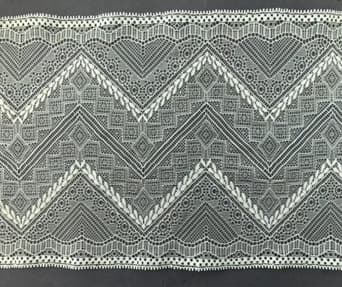
The defining feature of corded lace is the raised outline created by cords. These cords are stitched along the edges of lace patterns to highlight shapes such as flowers, leaves, or geometric designs.
Common cord materials include:
Polyester cords: The most common option due to strength and cost efficiency. They provide clean, defined outlines.
Cotton cords: Used in softer, more natural lace styles. They blend well with cotton-based lace fabrics.
Metallic threads: In luxury fashion, metallic cords are added to create shiny, decorative effects for evening wear or bridal gowns.
Textured synthetic fibers: These are engineered to enhance volume and three-dimensional appearance, especially in modern fashion lace.
Beyond base fabric and cords, corded lace often includes embroidery threads that form the actual patterns. These threads can be made from polyester, silk, or blended fibers.
High-end lace designs may also include sequins, beads, or metallic embroidery threads to increase visual richness. These decorative elements are especially common in bridal fashion and luxury garments.
In recent textile innovation, corded lace has evolved with new material combinations to suit different industries and design needs. One such variation includes synthetic lace strings like rexlace string, which is a type of plastic lace lacing material used in crafts and decorative weaving.
While rexlace string is not traditionally used in high-fashion corded lace, it shares similar structural principles—creating patterns through interwoven flexible strands. In modern design experimentation, such materials inspire new textures and lightweight decorative effects.
Another popular fashion variation is black corded lace, which uses dyed fibers to achieve deep black tones. This version is widely used in elegant evening dresses, lingerie, and fashion overlays. The combination of dark color and raised texture makes it visually dramatic and highly desirable in premium clothing design.
When produced as fabric rolls, it is often referred to as black corded Lace Fabric, which is used by designers for tailoring garments, accessories, and stage costumes.
The performance of corded lace depends heavily on the materials used. For example, polyester-based lace is more durable and suitable for mass production, while cotton-based lace is softer but requires more careful handling.
Cord material also affects the final appearance. Thick cords create bold outlines, while fine cords produce subtle and delicate patterns. Metallic cords elevate the fabric into luxury fashion categories.
In addition, embroidery thread quality determines whether the lace looks smooth and refined or rough and uneven. High-quality threads ensure long-lasting color and resistance to fraying.
Corded lace is widely used across multiple industries, especially in fashion design. It is commonly found in wedding dresses, evening gowns, lingerie, scarves, and high-end decorative fabrics.
Designers often choose corded lace because of its ability to add depth and texture to garments without making them heavy. Black corded Lace Fabric is especially popular in luxury and gothic-inspired fashion collections.
Beyond clothing, corded lace is also used in home décor such as curtains, table overlays, and decorative panels, where its elegant texture enhances interior design aesthetics.
Choosing the right materials for corded lace is essential for balancing aesthetics, durability, and cost. Fashion brands often select synthetic blends for affordability and production efficiency, while luxury designers prefer natural fibers and metallic accents for exclusivity.
Even small variations in material composition can significantly change the final look and feel of the lace. This is why manufacturers carefully control fiber selection, cord thickness, and embroidery techniques.
Corded lace is a sophisticated textile created through a combination of base fabrics, reinforcing cords, and decorative threads. Materials such as polyester, nylon, cotton, rayon, and metallic fibers all play important roles in shaping its structure and appearance. Modern variations like black corded lace and black corded lace fabric demonstrate how color and material innovation continue to expand its fashion applications. Even experimental influences such as rexlace string show how textile design evolves by exploring new structural ideas.
Understanding the materials behind corded lace not only helps in selecting better fabrics but also provides insight into why this textile remains a timeless choice in fashion and interior design.

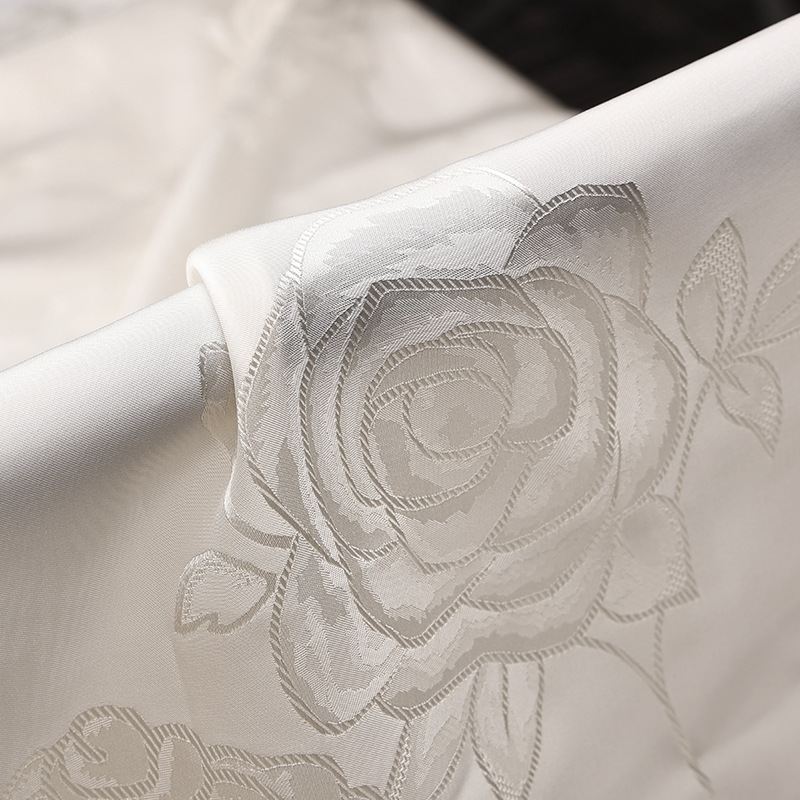
This fabric combines the smoothness and natural sheen of Mulberry Silk with the durability and versatility of Viscose, providing comfort and beauty for a variety of fashion applications.
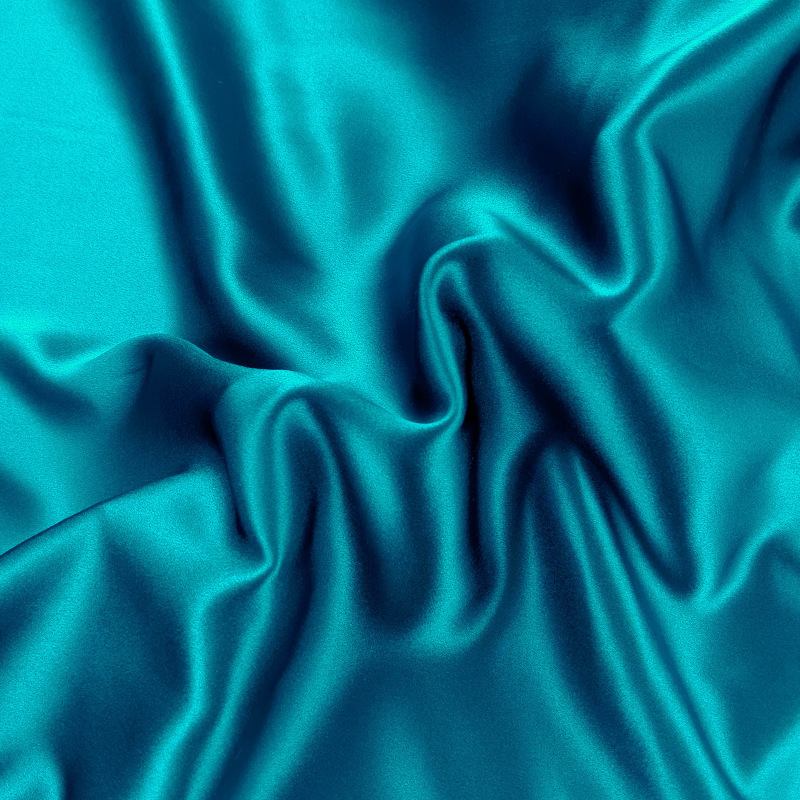
Used for all kinds of high-end silk bedding, such as silk four-piece sets, pillowcases, sheets, quilt covers, as well as silk scarves, summer pajamas, ladies' fashions and formal dresses, etc.
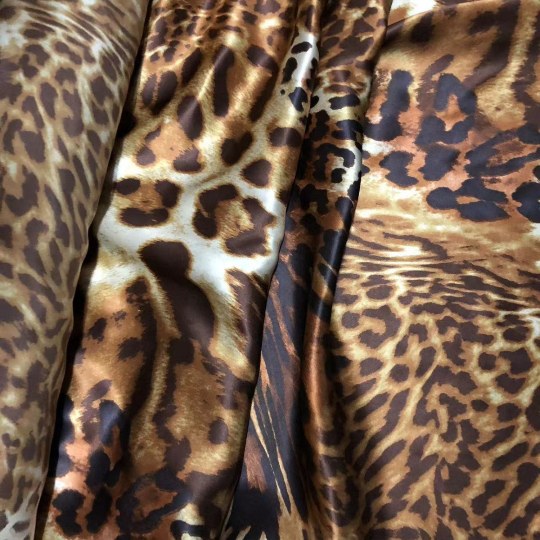
Leopard Jacquard Fabric is a luxurious and versatile textile characterized by its intricate woven patterns and elegant design.
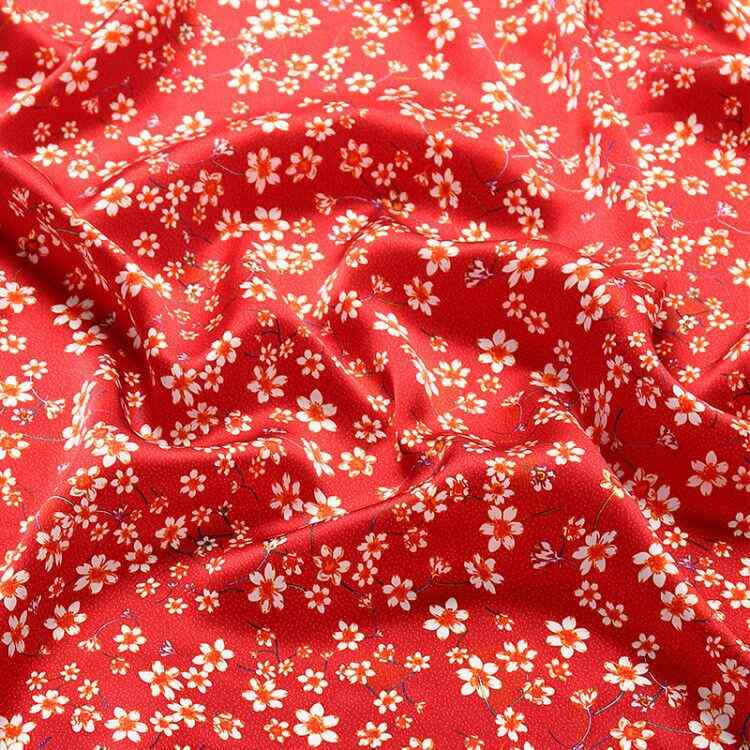
Floral Silk Fabric, crafted from Mulberry silk with a width of 140CM, a thickness of 16mm, and a weight of 68gsm, is ideal for creating elegant dresses, summer and spring outfits, luxurious sleepwear, and refined accessories like scarves and ties.
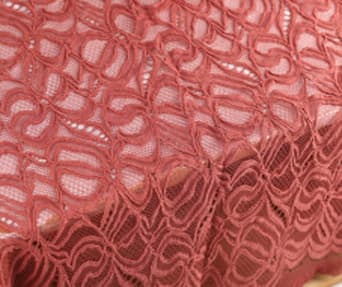
The best way to care for and wash Lace Fabric is to clean it gently using cold or lukewarm water and a mild detergent. Hand washing is recommended for delicate lace, while machine washing should only be done on a gentle cycle with the fabric placed inside
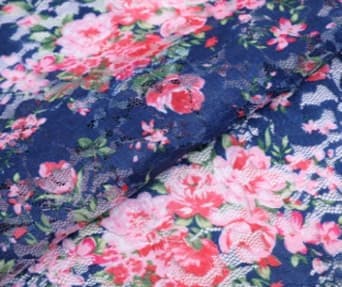
Lace Fabric can be made from a variety of materials, including cotton, polyester, nylon, rayon, silk, and spandex. Each material offers different characteristics such as softnes
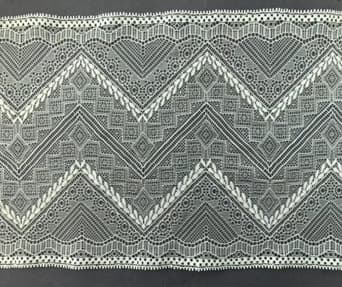
Corded lace is one of the most elegant and structurally rich types of lace used in fashion and textile design. It is widely applied in bridal gowns, evening dresses, lingerie, and decorative fabrics due to its raised outlines and three-dimensional texture. Unlike flat lace, corded lace is created by adding extra yarns or cords to emphasize floral or geometric patterns, making it more luxurious and visually striking.
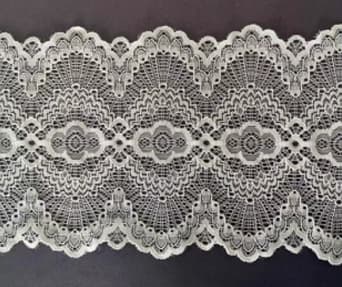
Corded lace is suitable for wedding dresses, evening gowns, blouses, skirts, lingerie, jackets, children's wear, and fashion accessories. Its raised embroidered patterns create a textured and elegant look that enhances both luxury and casual garments. Whether used as white lace or black corded lace fabric, it remains a versatile material widely used in modern fashion design.
Whatsapp: +86-137-1297-3009
Contact: Sophie Liao
Mailbox: sophie@chuanchencrafts.com
Add:Room 304, No.11, Jiaoyu Road, ZhangCun, Dongcheng Street, Dongguan City- 523112, China.

Wechat customer service
Copyright © 2026 Dongguan Chuanchen Craft Products Co., Ltd All rights reserved.