Handmade lace has long been associated with elegance, craftsmanship, and luxury. Unlike mass-produced lace made by modern textile machines, traditional lace was created through a slow and highly skilled process in which individual threads were manipulated, crossed, twisted, looped, or knotted to form an openwork textile. The intricate appearance of handmade lace is not simply the result of a decorative pattern. It reflects hours of manual work, specialized techniques, carefully selected materials, and the experience required to maintain consistent tension and structure throughout the textile.
Before industrial textile production became widespread, producing lace could take many hours, days, or even weeks depending on the pattern and size. A skilled lace maker needed to understand thread tension, pattern construction, joining techniques, and finishing methods. Because production depended heavily on human labor rather than automated machinery, the cost of handmade lace was naturally much higher than ordinary woven or knitted textiles. Its high price therefore came from a combination of labor intensity, technical difficulty, material quality, and limited production capacity.
The basic principle behind traditional lace making is relatively simple: threads are arranged and manipulated to create a stable openwork structure without producing a conventional solid fabric surface. However, achieving a detailed and balanced pattern requires considerable technical skill.
Depending on the lace-making technique, threads may be twisted, braided, looped, woven, knotted, or connected at specific points. The lace maker follows a predetermined pattern while controlling the position and tension of each thread. The resulting structure contains both solid areas and open spaces, creating the characteristic decorative appearance of lace.
In bobbin lace, for example, multiple threads are wound around small bobbins. The lace maker moves pairs of bobbins according to a pattern, using movements such as crossing and twisting to build the design. Pins may be inserted into a lace pillow to establish important points in the pattern. The maker must maintain consistent thread tension because excessive tension can distort the motif, while insufficient tension can make the structure loose and uneven.
Needle lace follows a different working principle. A needle and thread are used to construct decorative stitches over a temporary framework or foundation. The artisan gradually develops the pattern through individual stitches, loops, and connections. This technique can create extremely detailed motifs, but it is also highly dependent on the maker's precision and experience.
Other traditional methods include crochet lace, tatting, and various forms of woven or knotted lace. Although the techniques differ, they share the same fundamental characteristic: the decorative structure is built through controlled manipulation of threads rather than simply being printed onto a finished textile.
The choice of Lace Material has a major influence on the appearance, durability, softness, and price of the finished product. Historically, linen was one of the important fibers used for fine lace because it could produce strong, relatively fine threads. Cotton later became widely used because it offered good versatility and was suitable for detailed textile production.
Silk was another important material for luxury lace. Silk fibers are smooth, lightweight, and naturally lustrous, making them suitable for delicate decorative textiles. However, high-quality silk thread was considerably more expensive than ordinary textile fibers, which increased the value of the finished lace.
Wool and metallic threads were also used for particular types of decorative lace. In some historical applications, silver or gold threads were incorporated into textile decorations for ceremonial clothing and luxury garments. Modern handmade Lace fabric may use cotton, linen, silk, rayon, polyester, or blended fibers depending on the intended application.
Thread count and yarn fineness also matter. Fine yarn allows an artisan to create smaller motifs and more detailed openwork structures, but it generally requires greater control during production. A delicate thread can also be more difficult to handle because excessive tension may cause breakage.
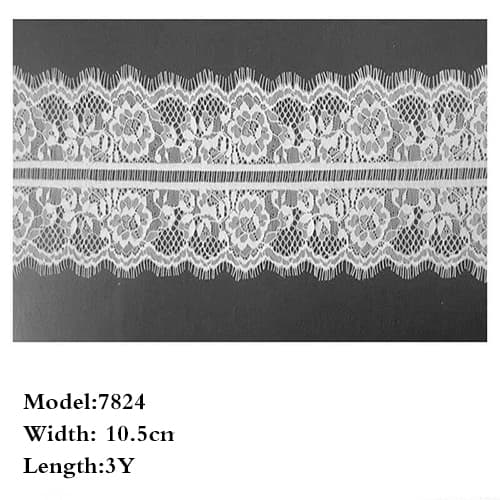
The biggest factor behind the historical cost of lace was labor. Traditional lace making required the maker to repeat precise movements thousands of times while following a pattern. Unlike modern automated textile machines, a human artisan could only manipulate a limited number of threads at a time.
Pattern complexity directly affected production time. A simple border with a repetitive motif could be completed relatively quickly, while a large piece containing flowers, leaves, geometric structures, and fine decorative details could require many working hours. The artisan also needed to stop periodically to check the pattern, adjust thread tension, reposition tools, and correct potential mistakes.
Another factor was training. Producing high-quality lace was not simply a matter of knowing how to move a needle or bobbin. Skilled makers developed an understanding of pattern construction, thread behavior, tension control, symmetry, and finishing. Traditional techniques were often learned through long periods of practice and apprenticeship.
Because production depended on individual craftsmanship, output was limited. A single artisan could only produce a certain amount of lace in a day. This scarcity contributed significantly to the historical value of fine lace.
Although different lace traditions use different methods, the manufacturing process generally follows several important stages.
1. Pattern preparation: The design is first developed or selected. Traditional patterns may include floral motifs, geometric shapes, borders, medallions, or repeating decorative elements. The pattern determines where threads need to cross, twist, loop, or connect.
2. Material preparation: Threads are selected according to the required thickness, strength, color, and surface appearance. Fine decorative work often requires carefully prepared yarn because uneven thread thickness can affect the final pattern.
3. Thread arrangement: Depending on the technique, the threads are attached to bobbins, needles, a temporary foundation, or another working structure. Correct initial positioning is important because the entire pattern depends on the arrangement of the threads.
4. Pattern construction: The artisan follows the design step by step. Threads are crossed, twisted, braided, looped, or stitched to gradually form the lace. This is the most labor-intensive stage and requires continuous attention to tension and pattern accuracy.
5. Joining and reinforcement: Individual sections may need to be connected through specific stitches or joining techniques. Reinforcement can help maintain the shape of the lace and prevent delicate areas from separating.
6. Finishing: Once the main pattern is completed, temporary pins, foundations, or supporting elements are removed. The lace may then be washed, blocked, pressed, trimmed, or otherwise finished to achieve the intended shape and appearance.
Every stage can influence the final quality. A small error made early in the process may become visible much later, meaning the artisan may need to undo several sections and reconstruct them.
The main advantage of handmade lace is its individuality. Each piece contains subtle variations created by the artisan, making it different from highly standardized mass-produced textile products. This quality is particularly valuable for luxury fashion, heritage crafts, bridal clothing, and collectible textiles.
Another advantage is design flexibility. Skilled artisans can modify patterns, thread thickness, motifs, colors, and dimensions according to specific requirements. Complex decorative elements can be produced without being restricted entirely by the standardized patterns commonly used in industrial production.
Handmade lace can also carry cultural and historical value. Traditional techniques are often associated with particular regions and communities, and the knowledge required to produce them can be passed from one generation to another.
The primary disadvantage is production efficiency. Handmade lace takes significantly longer to produce than machine-made lace, especially when the design contains fine details. Labor costs are therefore much higher.
Consistency can also be more difficult to achieve. Slight differences in thread tension or stitch size may occur between sections or between individual pieces. While these variations can be considered part of the charm of handmade textiles, they may be undesirable for applications that require highly standardized dimensions.
Delicate lace can also require careful handling. Fine threads and openwork structures may be more vulnerable to snagging, abrasion, stretching, or improper washing. The appropriate care method depends on the fiber and construction technique used.
Historically, lace was closely associated with clothing and accessories. It appeared on collars, cuffs, sleeves, veils, dresses, gloves, handkerchiefs, and decorative household textiles. Because fine lace required substantial labor, it was often used as a visible indicator of social status and wealth.
Today, handmade lace remains relevant in premium fashion and specialized textile applications. Bridal gowns are one of the most recognizable uses because lace can provide intricate floral patterns and a soft, romantic appearance. Designers may use lace for sleeves, bodices, veils, overlays, trims, and decorative panels.
It is also used in haute couture, luxury accessories, lingerie, home decoration, ceremonial clothing, and textile restoration. Collectors and museums may preserve historical lace pieces because they provide information about traditional textile technology and decorative culture.
For modern designers, lace fabric can also be combined with other materials to create contrast in texture and structure. A lace overlay may be placed over silk, satin, cotton, or other textiles to add visual depth without completely covering the underlying material.
Modern textile technology has made lace much more accessible, but handmade lace continues to occupy a different market position. Machine-made lace can reproduce patterns quickly and consistently, while handmade production offers craftsmanship, customization, historical techniques, and limited availability.
The price of a handmade piece is therefore not determined only by the amount of thread used. A significant portion of its value comes from the time required to make it and the skill of the person producing it. When a design takes many hours to complete, the labor itself becomes an important part of the product's value.
Material selection can further increase the price. Fine silk, high-quality linen, specialized cotton thread, and other premium fibers cost more than basic synthetic yarns. Extremely detailed patterns also require greater concentration and technical ability, increasing production time and labor costs.
In this sense, handmade lace is closer to a form of textile craftsmanship than a conventional mass-produced fabric. Its value comes from the relationship between material, technique, time, and human skill.
The difference between handmade and machine-made lace can be understood through production method, consistency, cost, and customization. Machine-made lace is designed for efficient large-scale production. Modern knitting, embroidery, and textile machines can produce thousands of meters of decorative material with consistent patterns and dimensions.
Handmade lace, by comparison, prioritizes craftsmanship and individual production. It is slower, more labor-intensive, and generally more expensive. However, it can provide unique patterns, traditional techniques, and a degree of customization that may be difficult to reproduce economically through industrial production.
Neither method is universally better. Machine-made lace is appropriate when large quantities, consistent specifications, and competitive pricing are important. Handmade lace is more suitable when craftsmanship, uniqueness, heritage, or highly specialized design is the priority.
Handmade lace was expensive because producing it required much more than thread and a decorative pattern. It depended on skilled labor, carefully selected fibers, complex construction techniques, and considerable production time. Each crossing, twist, loop, and stitch contributed to a structure that could take many hours or even weeks to complete.
Although modern machinery has transformed the textile industry, traditional lace making remains valuable because it preserves techniques that cannot be measured solely by production speed. The combination of craftsmanship, material quality, technical knowledge, and limited production capacity explains why handmade lace has historically been—and continues to be—associated with luxury and high value.

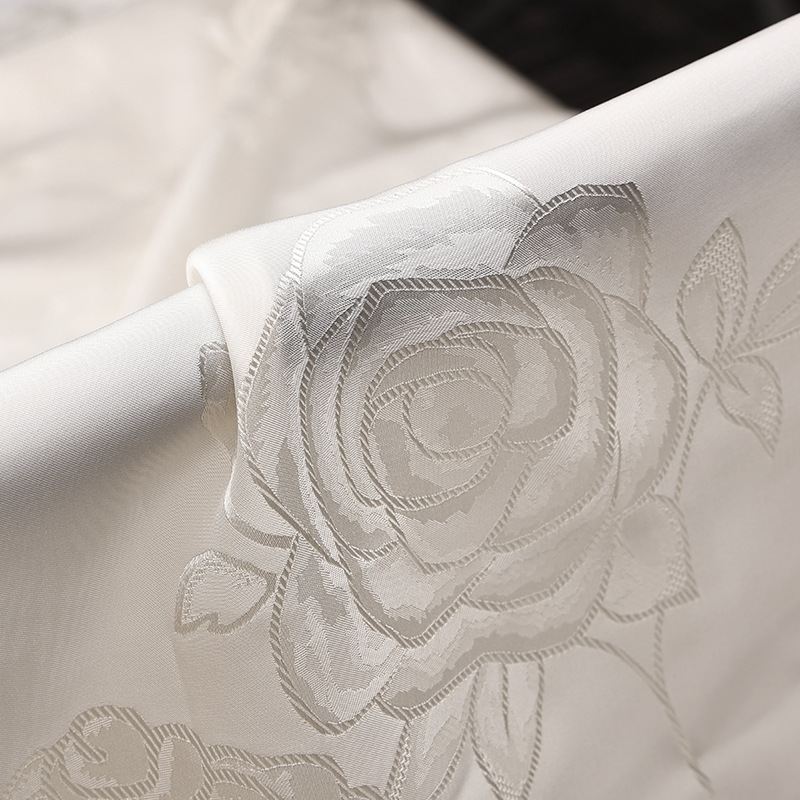
This fabric combines the smoothness and natural sheen of Mulberry Silk with the durability and versatility of Viscose, providing comfort and beauty for a variety of fashion applications.

Used for all kinds of high-end silk bedding, such as silk four-piece sets, pillowcases, sheets, quilt covers, as well as silk scarves, summer pajamas, ladies' fashions and formal dresses, etc.
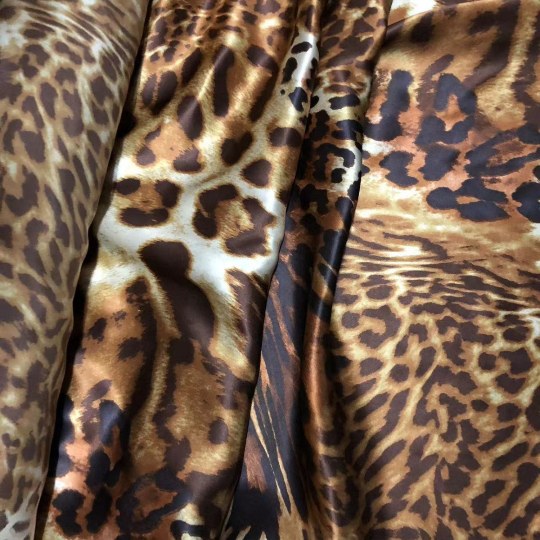
Leopard Jacquard Fabric is a luxurious and versatile textile characterized by its intricate woven patterns and elegant design.
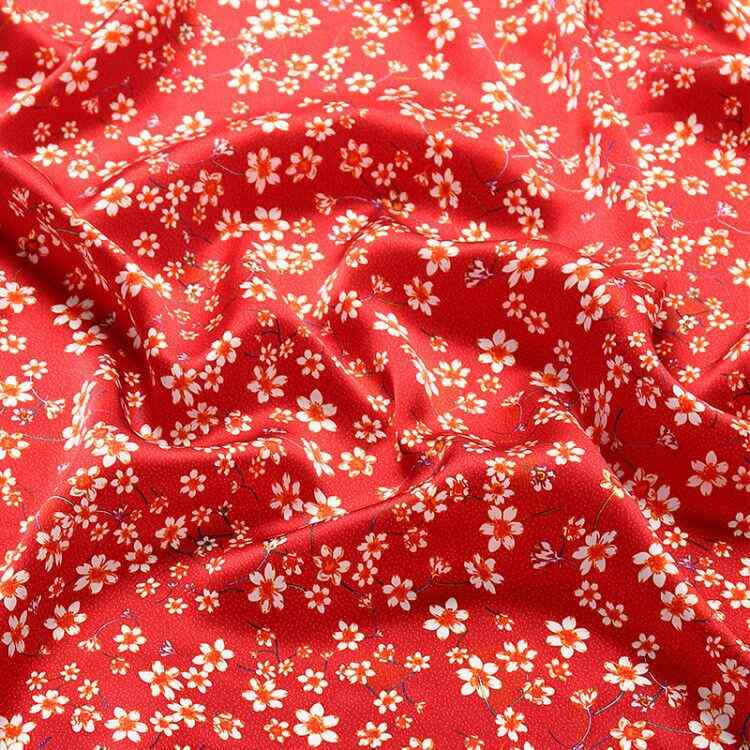
Floral Silk Fabric, crafted from Mulberry silk with a width of 140CM, a thickness of 16mm, and a weight of 68gsm, is ideal for creating elegant dresses, summer and spring outfits, luxurious sleepwear, and refined accessories like scarves and ties.
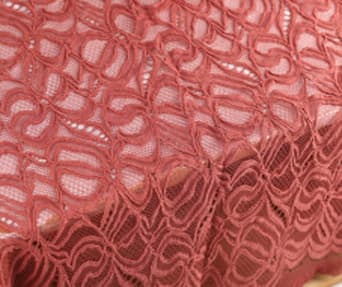
The best way to care for and wash Lace Fabric is to clean it gently using cold or lukewarm water and a mild detergent. Hand washing is recommended for delicate lace, while machine washing should only be done on a gentle cycle with the fabric placed inside
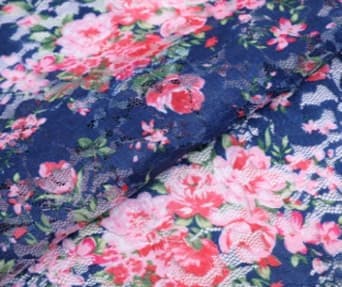
Lace Fabric can be made from a variety of materials, including cotton, polyester, nylon, rayon, silk, and spandex. Each material offers different characteristics such as softnes
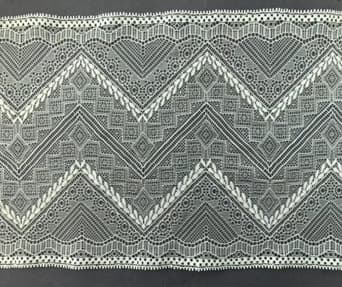
Corded lace is one of the most elegant and structurally rich types of lace used in fashion and textile design. It is widely applied in bridal gowns, evening dresses, lingerie, and decorative fabrics due to its raised outlines and three-dimensional texture. Unlike flat lace, corded lace is created by adding extra yarns or cords to emphasize floral or geometric patterns, making it more luxurious and visually striking.
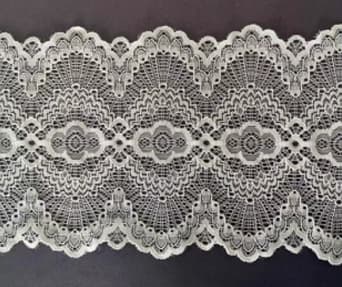
Corded lace is suitable for wedding dresses, evening gowns, blouses, skirts, lingerie, jackets, children's wear, and fashion accessories. Its raised embroidered patterns create a textured and elegant look that enhances both luxury and casual garments. Whether used as white lace or black corded lace fabric, it remains a versatile material widely used in modern fashion design.
Whatsapp: +86-137-1297-3009
Contact: Sophie Liao
Mailbox: sophie@chuanchencrafts.com
Add:Room 304, No.11, Jiaoyu Road, ZhangCun, Dongcheng Street, Dongguan City- 523112, China.

Wechat customer service
Copyright © 2026 Dongguan Chuanchen Craft Products Co., Ltd All rights reserved.