Lace is a decorative textile known for its openwork structure, intricate patterns, and lightweight appearance. It is widely used in fashion, bridal wear, lingerie, Home Textiles, and decorative applications. However, not all lace is Chantilly lace. Chantilly lace is a specific type of lace recognized for its delicate floral motifs, fine ground, detailed outlines, and elegant drape.
So, what's the difference between lace and Chantilly lace? The simplest answer is that lace is a broad category of openwork fabrics, while Chantilly lace refers to a particular lace style with distinctive construction, patterns, and finishing characteristics. Understanding the difference requires looking at how lace is made, what materials are used, how the fabric behaves, and where each type is commonly applied.
Lace is an openwork textile made by creating decorative patterns with threads rather than forming a conventional solid fabric surface. The open areas, also called voids or ground openings, are an important part of its visual identity.
Depending on the production method, lace can be manufactured using different techniques, including warp knitting, weft knitting, weaving, embroidery, or chemical processes. Modern textile production also uses computerized lace machines to reproduce highly detailed patterns with consistent dimensions.
Common lace structures include floral motifs, geometric designs, scalloped edges, mesh grounds, and ornamental borders. The appearance and performance of lace depend heavily on its construction method, yarn type, pattern density, and finishing process.
In the textile industry, terms such as Lace fabric, lace trim, lace edging, mesh ground, motif, scalloped edge, corded outline, and openwork structure are often used to describe different characteristics of lace products.
Chantilly lace is a refined type of lace traditionally associated with the French lace-making tradition. It is especially recognized for its delicate appearance, fine net-like ground, floral or botanical motifs, and soft drape.
Traditional Chantilly lace was historically produced using bobbin lace techniques. Modern commercial versions, however, are commonly manufactured with advanced lace knitting machines or other textile production technologies. These processes allow manufacturers to reproduce the characteristic appearance of Chantilly lace while improving production efficiency and consistency.
One of the defining features of Chantilly lace is the contrast between its fine ground and more visually defined motifs. Floral patterns may be outlined with a slightly heavier thread, creating a subtle dimensional effect. This technique is often referred to as a corded effect or corded outline.
Because of this delicate structure, Chantilly lace is commonly associated with luxury fashion, bridal dresses, eveningwear, lingerie, veils, and other garments where softness and visual elegance are important.
The main difference is classification.
Lace describes a large family of decorative openwork textiles, while Chantilly lace is a specific style within that broader category. In other words, Chantilly lace is lace, but not every lace fabric is Chantilly lace.
There are several important differences.
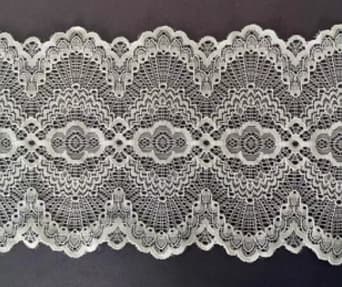
General lace can have almost any pattern, from large geometric designs to dense floral motifs and modern abstract graphics. Some lace fabrics have highly raised textures, while others have a relatively flat surface.
Chantilly lace generally has a more delicate visual structure. Fine floral, botanical, or scrolling motifs are often arranged over a lightweight ground. The pattern usually appears refined rather than heavily textured.
The motif, ground, and outline work together to create the characteristic Chantilly appearance.
Lace can be produced using many different manufacturing processes. The exact method depends on the desired appearance, production volume, and end application.
For example, knitted lace is often produced using warp knitting technology. A lace machine forms interconnected loops to create an open structure, while pattern-control systems determine the placement of decorative elements.
Traditional Chantilly lace has a different historical origin. Classic versions were made using bobbin lace techniques, in which threads were manipulated and interlaced to build intricate patterns. Modern Chantilly-style fabrics may use computerized knitting or jacquard-based textile technologies to reproduce similar visual characteristics at commercial scale.
Lace can be manufactured from a wide range of fibers. Common materials include polyester, nylon, cotton, rayon, silk, and blended yarns.
The material selected influences softness, elasticity, durability, transparency, drape, and care requirements.
Traditional high-end Chantilly lace may be associated with fine natural fibers such as silk, while modern commercial Chantilly-style lace is often made from synthetic fibers such as polyester or nylon. Synthetic yarns can provide better consistency and make the fabric more suitable for large-scale apparel production.
Different lace fabrics can range from firm and structured to soft and highly flexible. Some varieties are designed primarily for decorative reinforcement, while others are intended to move naturally with the body.
Chantilly lace is generally valued for its lightweight construction and soft drape. Its fine ground allows the fabric to maintain a delicate appearance without creating excessive bulk.
This characteristic is particularly useful in bridal gowns, sleeves, overlays, lingerie, and other garments where designers want decorative detail without adding significant weight.
Although manufacturing processes vary, modern lace production generally follows several key stages.
The first stage is selecting and preparing the yarn. Manufacturers consider fiber type, yarn count, strength, elasticity, and surface characteristics.
Synthetic fibers such as polyester and nylon are frequently used because they offer consistent performance and can be engineered for specific levels of softness, stretch, and durability.
The lace pattern is then developed according to the intended application. Designers may create floral motifs, geometric structures, borders, or repeating patterns.
Computer-aided textile design systems allow manufacturers to control pattern size, repeat distance, motif placement, and fabric width before production begins.
During production, yarns are manipulated through a specialized lace-making or knitting system to form the openwork structure.
In warp-knitted lace, multiple yarn systems work together to form interconnected loops. By controlling yarn movement and stitch formation, manufacturers can create areas of open mesh alongside denser decorative motifs.
For more intricate styles, additional yarns or pattern structures may be introduced to emphasize specific parts of the design.
After the lace structure is formed, the fabric may undergo finishing processes such as washing, heat setting, dyeing, softening, trimming, or edge treatment.
Finishing can influence the final hand feel, dimensional stability, color, elasticity, and overall appearance.
For Chantilly-style lace, careful finishing is particularly important because excessive heat or aggressive processing can affect the delicate ground and fine decorative details.
Material selection has a direct effect on lace performance.
Polyester lace is widely used because it offers good dimensional stability, color retention, and resistance to everyday wear. It is also suitable for large-scale manufacturing.
Nylon lace is known for its strength and flexibility. It can create a lightweight fabric with good elasticity and is frequently used in lingerie and fashion applications.
Cotton lace provides a more natural hand feel and breathable characteristics. It is often selected for casual apparel, baby products, home textiles, and vintage-inspired designs.
Silk lace offers a particularly soft hand feel and elegant drape. However, silk is generally more expensive and requires more careful handling.
Blended fibers can also be used to balance properties such as softness, stretch, durability, and cost.
The broad category of lace offers considerable flexibility for designers.
Wide range of patterns and textures
Lightweight and decorative
Suitable for apparel and home textiles
Available in different levels of transparency
Can be produced in many colors and widths
Compatible with different fiber types
Can be combined with other fabrics as an overlay or trim
Open structures can be more vulnerable to snagging
Very delicate lace may require careful handling
Some synthetic lace may feel less natural than cotton or silk
Intricate patterns can increase manufacturing complexity
Stretch and dimensional stability vary between constructions
The actual performance depends on the fabric structure rather than simply the word "lace."
Chantilly lace has several characteristics that make it especially attractive for high-detail fashion applications.
Its biggest advantage is its refined visual appearance. Fine motifs and a lightweight ground can create a sophisticated surface without making the garment appear heavy.
Chantilly lace also has excellent decorative potential. It can be used as a complete fabric, an overlay, a sleeve material, a neckline detail, or a decorative panel.
Its soft drape makes it particularly suitable for garments that require movement and a delicate silhouette.
The fine structure that makes Chantilly lace attractive can also make it relatively delicate. Depending on the material and construction, it may be more susceptible to snagging, abrasion, stretching, or distortion.
In addition, detailed patterns require careful production control. Small differences in yarn tension, pattern registration, or finishing conditions can affect the final appearance.
Lace has applications across many textile and fashion categories.
In apparel, it is used for dresses, skirts, blouses, sleeves, collars, cuffs, lingerie, and decorative panels.
In bridalwear, lace is frequently used for wedding gowns, veils, trains, gloves, and overlays. Different lace constructions can create anything from a vintage appearance to a modern minimalist effect.
Lace is also used in home textiles, including curtains, table decorations, cushion covers, bedding, and decorative accessories.
For commercial textile products, manufacturers may produce lace in different widths, patterns, weights, elasticity levels, and edge treatments to meet specific design requirements.
Chantilly lace is particularly common in applications where delicate detailing is a major design element.
Typical applications include:
Wedding dresses
Bridal veils
Evening gowns
Lingerie
Fashion overlays
Sleeves and neckline panels
Decorative garment inserts
Luxury accessories
Costume and stage clothing
Its fine floral motifs and lightweight construction make it especially suitable for garments where designers want a sophisticated surface while maintaining a soft and flowing silhouette.
The right choice depends on the intended application.
If a designer needs a particular texture, structure, stretch level, or pattern, the broad range of lace fabrics provides more flexibility. Different lace constructions can be selected according to durability, transparency, softness, and cost.
If the goal is a delicate, romantic, and elegant appearance with fine floral motifs and a lightweight ground, Chantilly lace may be a better choice.
For manufacturers and buyers, it is important to evaluate more than the visual appearance. Factors such as fiber composition, yarn count, fabric width, GSM, stretch percentage, pattern repeat, edge construction, dyeing method, and finishing treatment can all affect the final product.
So, what's the difference between lace and Chantilly lace? Lace is a broad category of decorative openwork textiles made through various manufacturing techniques, while Chantilly lace is a specific lace style traditionally associated with fine patterns, delicate grounds, and elegant drape.
The difference can be understood through four main factors: construction, pattern, material, and application. Modern lace production can use polyester, nylon, cotton, silk, or blended fibers, while advanced textile machinery allows manufacturers to produce increasingly detailed patterns with consistent quality.
For general decorative applications, there are many types of lace to choose from. For bridalwear, lingerie, eveningwear, and other products requiring a refined floral appearance, Chantilly lace offers a distinctive combination of delicacy, pattern detail, and lightweight drape.
Understanding these differences allows designers, garment manufacturers, and textile buyers to select the right lace construction according to both visual requirements and functional performance.
Previous: Why Handmade Lace Was Expensive

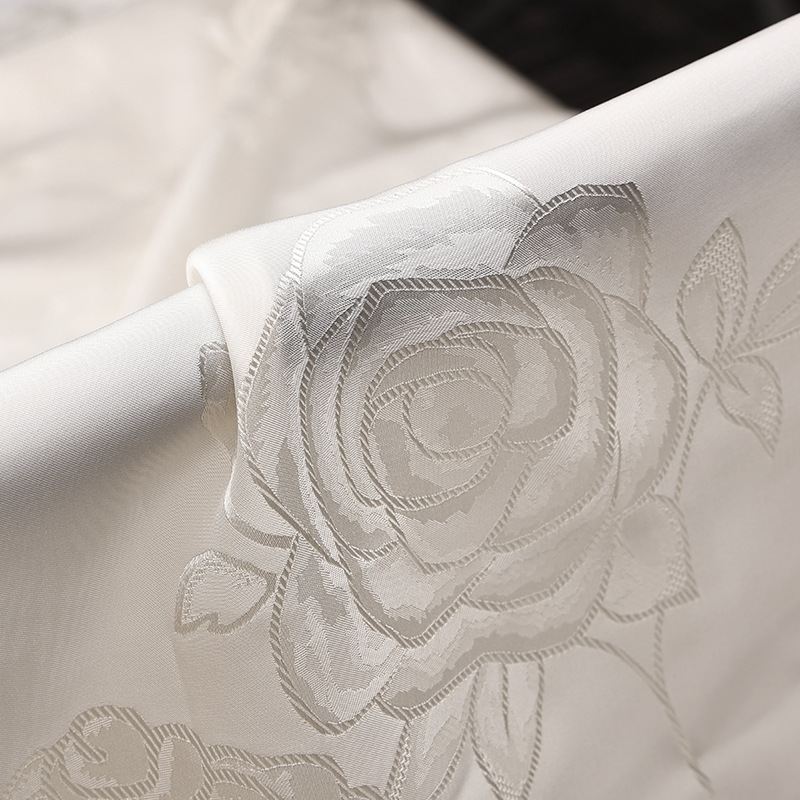
This fabric combines the smoothness and natural sheen of Mulberry Silk with the durability and versatility of Viscose, providing comfort and beauty for a variety of fashion applications.
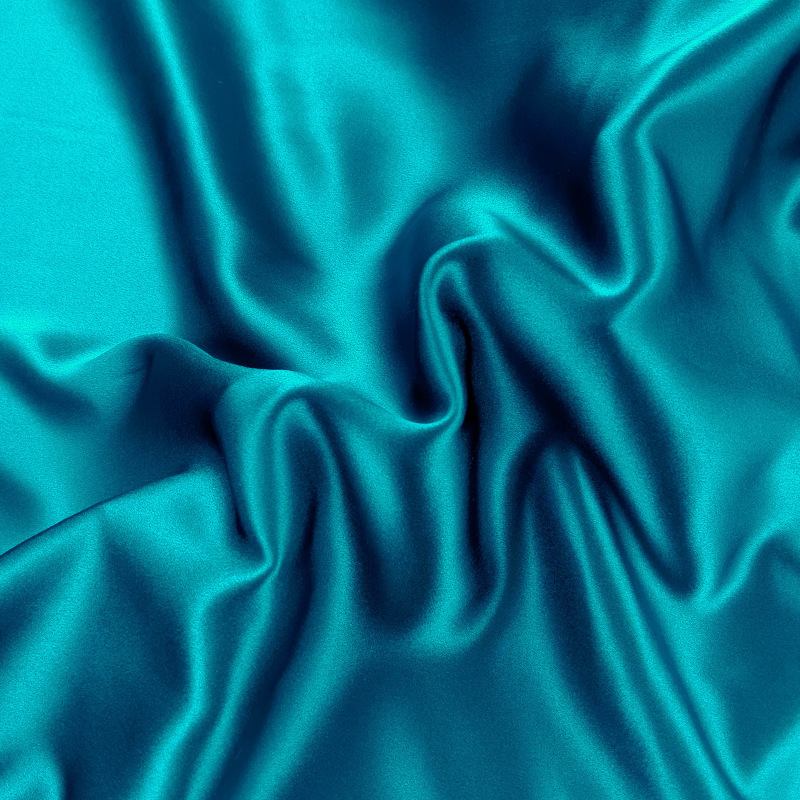
Used for all kinds of high-end silk bedding, such as silk four-piece sets, pillowcases, sheets, quilt covers, as well as silk scarves, summer pajamas, ladies' fashions and formal dresses, etc.
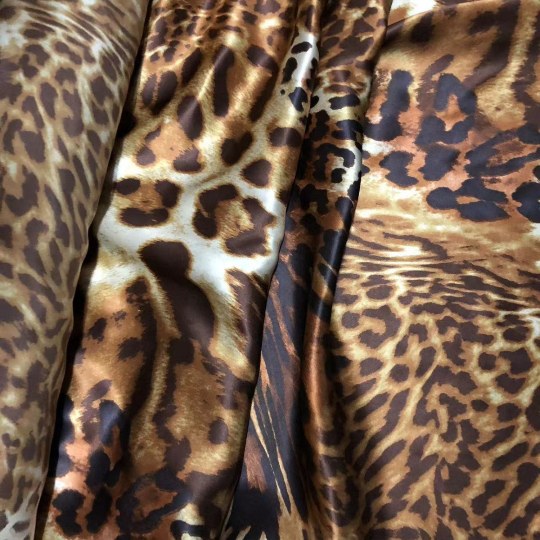
Leopard Jacquard Fabric is a luxurious and versatile textile characterized by its intricate woven patterns and elegant design.
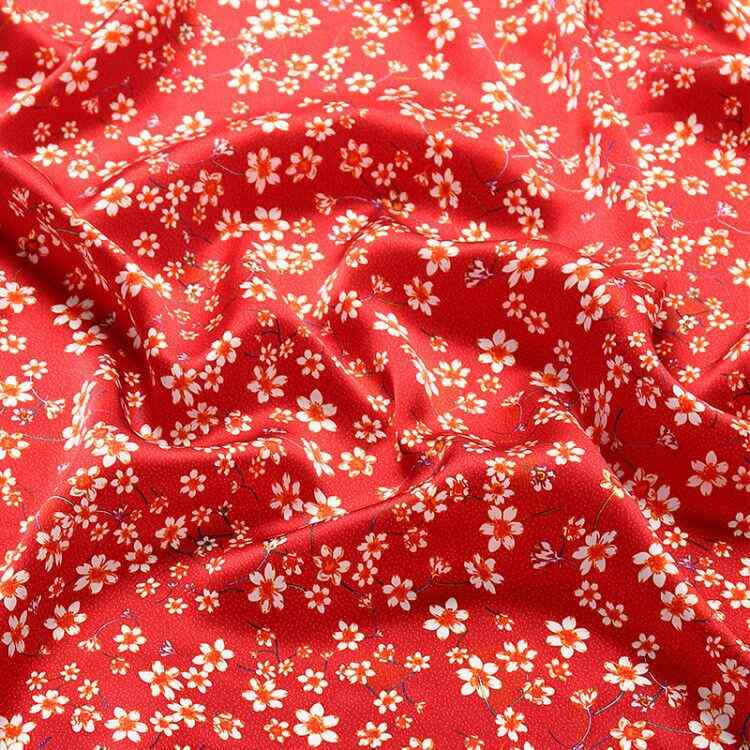
Floral Silk Fabric, crafted from Mulberry silk with a width of 140CM, a thickness of 16mm, and a weight of 68gsm, is ideal for creating elegant dresses, summer and spring outfits, luxurious sleepwear, and refined accessories like scarves and ties.
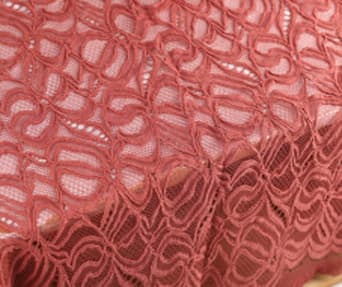
The best way to care for and wash Lace Fabric is to clean it gently using cold or lukewarm water and a mild detergent. Hand washing is recommended for delicate lace, while machine washing should only be done on a gentle cycle with the fabric placed inside
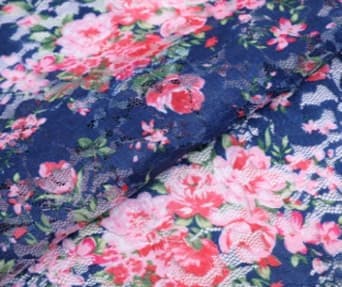
Lace Fabric can be made from a variety of materials, including cotton, polyester, nylon, rayon, silk, and spandex. Each material offers different characteristics such as softnes
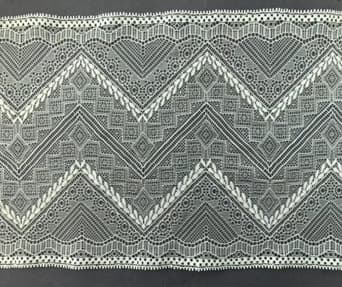
Corded lace is one of the most elegant and structurally rich types of lace used in fashion and textile design. It is widely applied in bridal gowns, evening dresses, lingerie, and decorative fabrics due to its raised outlines and three-dimensional texture. Unlike flat lace, corded lace is created by adding extra yarns or cords to emphasize floral or geometric patterns, making it more luxurious and visually striking.
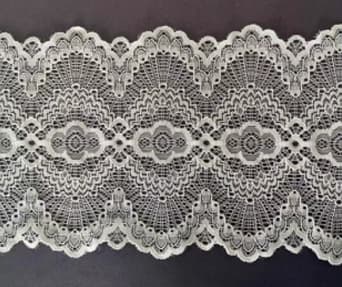
Corded lace is suitable for wedding dresses, evening gowns, blouses, skirts, lingerie, jackets, children's wear, and fashion accessories. Its raised embroidered patterns create a textured and elegant look that enhances both luxury and casual garments. Whether used as white lace or black corded lace fabric, it remains a versatile material widely used in modern fashion design.
Whatsapp: +86-137-1297-3009
Contact: Sophie Liao
Mailbox: sophie@chuanchencrafts.com
Add:Room 304, No.11, Jiaoyu Road, ZhangCun, Dongcheng Street, Dongguan City- 523112, China.

Wechat customer service
Copyright © 2026 Dongguan Chuanchen Craft Products Co., Ltd All rights reserved.