Embroidery Lace is a lace base — commonly Stretch Lace made from nylon — with a decorative pattern stitched directly into it using colored thread, rather than printed or dyed onto the surface. Floral designs are common, built up with thread passes in colors that match the motif (petals, leaves, and center details each get their own stitch color), which gives the pattern a raised, textured feel rather than a flat printed look.
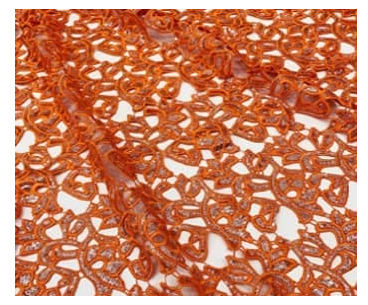
Embroidery lace differs from printed lace in that the design is physically stitched into the base fabric rather than added as a surface coating. This is also why embroidery lace generally holds its pattern through washing better than a printed equivalent — the design is part of the fabric's structure, not something sitting on top of it that can crack, fade, or peel with wear.
The stretch quality combined with a decorative pattern makes embroidery lace suitable for close-fitting garments like lingerie and intimate apparel, as well as structured pieces like bridal gowns and evening wear where the raised detail adds a decorative edge. Beyond clothing, it's also used in accessories and Home Textiles — trims on scarves, hats, and headwear, decorative elements on bags and small craft projects, and finishing touches on items like cushions, curtains, or table linens. The common thread across these uses is that the pattern needs to be visible and durable rather than hidden inside a seam.
Hot water and strong detergent are the two things most likely to damage this type of lace, since heat and harsh chemicals can loosen embroidery stitching or degrade the stretch base over time. Warm water with a mild detergent, combined with hand washing rather than a machine cycle, is the safer approach for keeping both the base fabric and the embroidered pattern intact.
A common assumption is that any lace with a decorative pattern is embroidered, when many similar-looking fabrics are actually printed rather than stitched — the two can look alike in a photo but behave very differently in use and washing. Another misconception is that a nylon base automatically means lower quality; nylon is simply the standard material for stretch lace because of its elasticity, and the embroidery quality depends far more on stitch density and thread choice than on the base fiber itself.

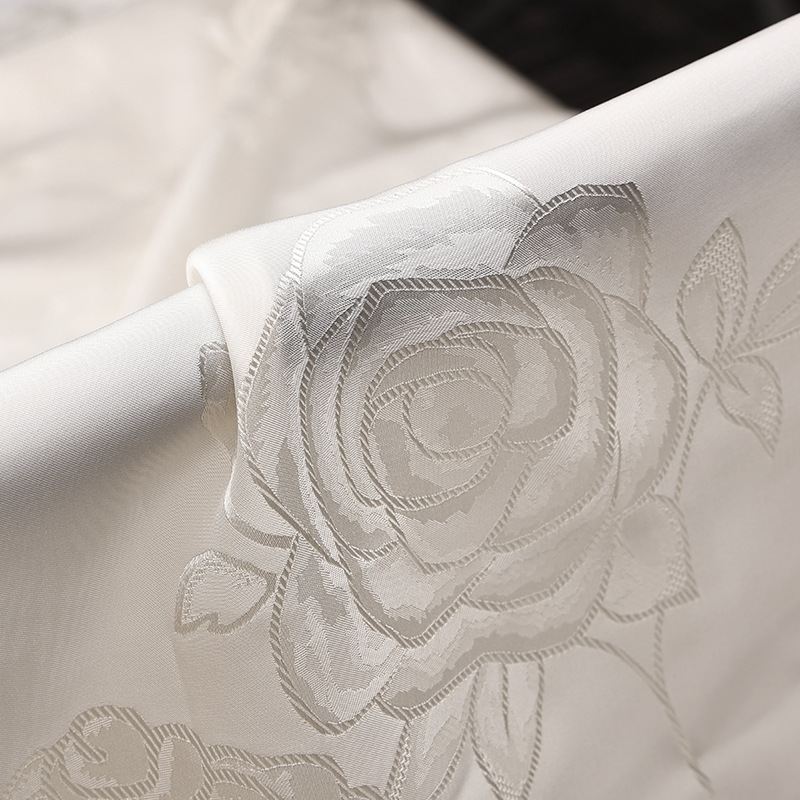
This fabric combines the smoothness and natural sheen of Mulberry Silk with the durability and versatility of Viscose, providing comfort and beauty for a variety of fashion applications.
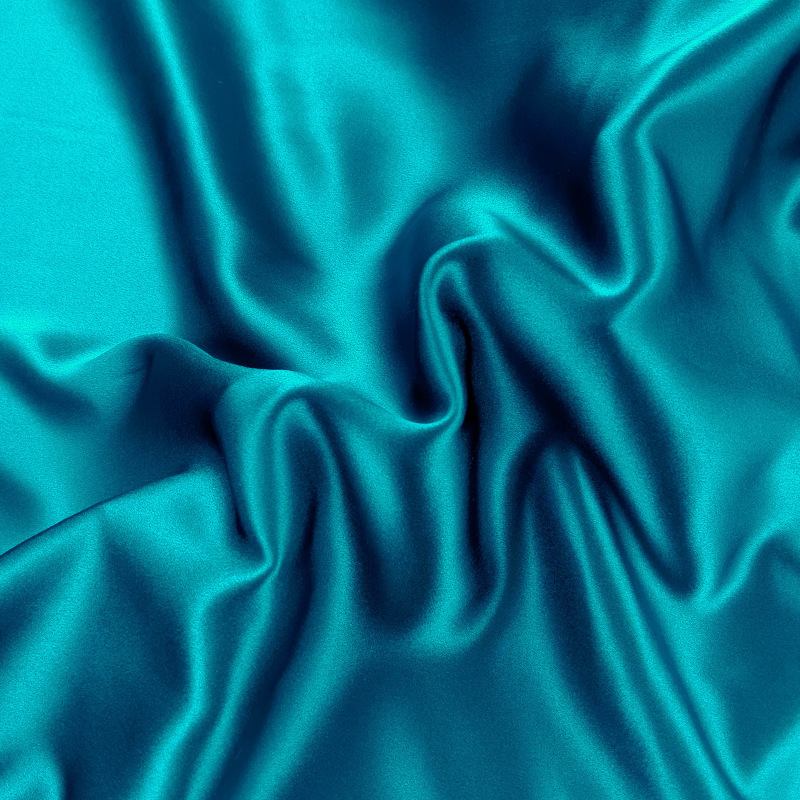
Used for all kinds of high-end silk bedding, such as silk four-piece sets, pillowcases, sheets, quilt covers, as well as silk scarves, summer pajamas, ladies' fashions and formal dresses, etc.
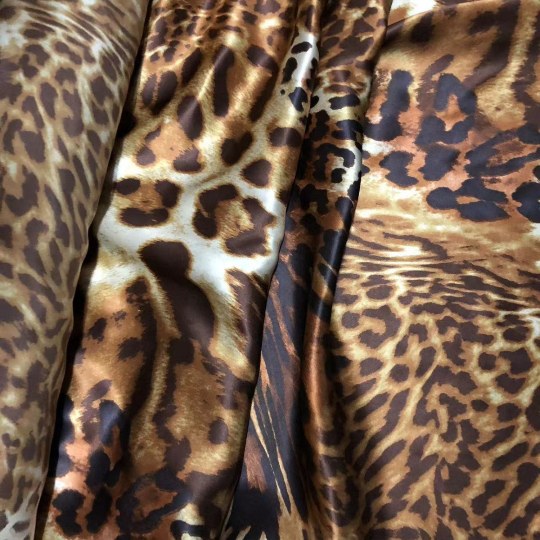
Leopard Jacquard Fabric is a luxurious and versatile textile characterized by its intricate woven patterns and elegant design.
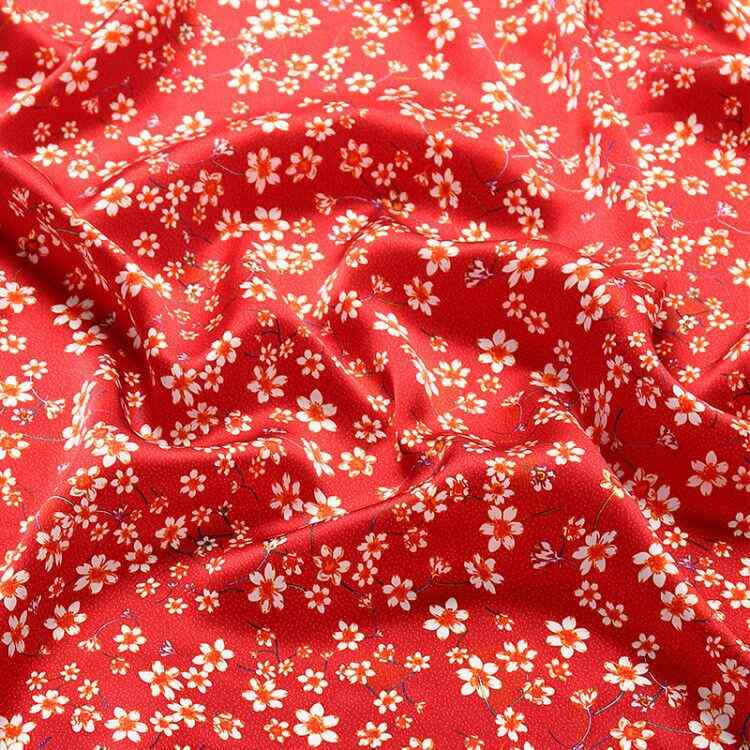
Floral Silk Fabric, crafted from Mulberry silk with a width of 140CM, a thickness of 16mm, and a weight of 68gsm, is ideal for creating elegant dresses, summer and spring outfits, luxurious sleepwear, and refined accessories like scarves and ties.
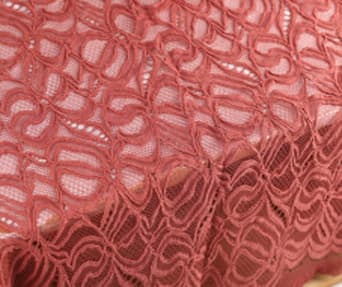
The best way to care for and wash Lace Fabric is to clean it gently using cold or lukewarm water and a mild detergent. Hand washing is recommended for delicate lace, while machine washing should only be done on a gentle cycle with the fabric placed inside
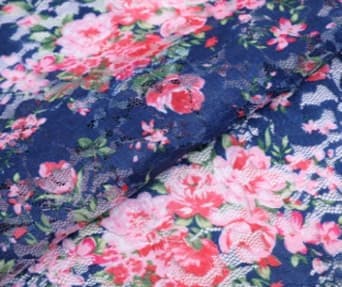
Lace Fabric can be made from a variety of materials, including cotton, polyester, nylon, rayon, silk, and spandex. Each material offers different characteristics such as softnes
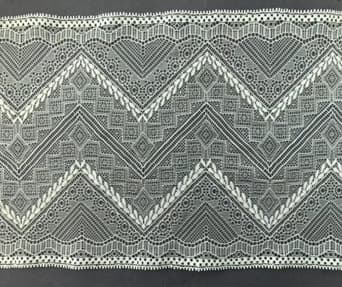
Corded lace is one of the most elegant and structurally rich types of lace used in fashion and textile design. It is widely applied in bridal gowns, evening dresses, lingerie, and decorative fabrics due to its raised outlines and three-dimensional texture. Unlike flat lace, corded lace is created by adding extra yarns or cords to emphasize floral or geometric patterns, making it more luxurious and visually striking.
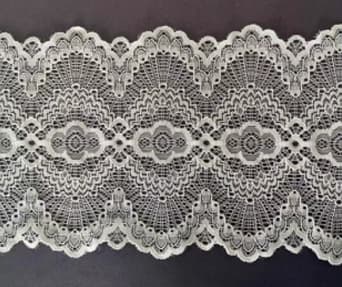
Corded lace is suitable for wedding dresses, evening gowns, blouses, skirts, lingerie, jackets, children's wear, and fashion accessories. Its raised embroidered patterns create a textured and elegant look that enhances both luxury and casual garments. Whether used as white lace or black corded lace fabric, it remains a versatile material widely used in modern fashion design.
Whatsapp: +86-137-1297-3009
Contact: Sophie Liao
Mailbox: sophie@chuanchencrafts.com
Add:Room 304, No.11, Jiaoyu Road, ZhangCun, Dongcheng Street, Dongguan City- 523112, China.

Wechat customer service
Copyright © 2026 Dongguan Chuanchen Craft Products Co., Ltd All rights reserved.