real silk Back Satin Fabric can be checked through four simple tests: a burn test on a small snipped sample, a hand-feel and drape check, a weight and thickness comparison against the supplier's stated spec, and a small paid sample order tested under real sewing or washing conditions. No single test is fully conclusive on its own, but running two or three together gives a reliable picture before committing to volume.
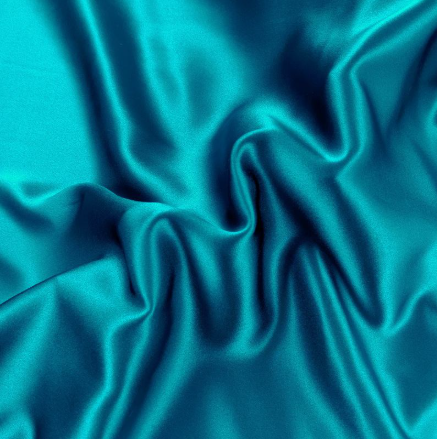
Snip a small thread or corner from the sample and burn it briefly with a lighter, away from anything flammable. Real silk self-extinguishes quickly, curls rather than melts, and produces an odor similar to burning hair, leaving behind a fine, crushable ash. Polyester or other synthetic satin will melt into a hard bead, keep burning after the flame is removed, and smell more chemical or plastic-like. This is the most direct way to catch a fabric that's labeled silk but is actually a synthetic satin blend.
Genuine silk Back Satin has a distinct warmth and slight friction against skin — synthetic satin tends to feel slicker and cooler to the touch. Draping matters too: silk falls with a fluid, heavy drape rather than a stiff or overly bouncy fall. Scrunching a section in your hand and releasing it is a quick check — silk tends to relax back out with soft, irregular creasing, while polyester often springs back too uniformly or holds sharp fold lines.
Legitimate silk suppliers typically state weight in momme or gsm along with width. If a supplier can't provide a specific weight and thickness figure, or the fabric feels noticeably lighter or heavier than what's quoted, that's a signal worth following up on before ordering in bulk. Weighing a measured square of fabric against the stated spec is a low-effort way to catch a mismatch between what's described and what's actually shipped.
A small paid sample, sewn or washed the way the final product will be, catches issues a burn test can't — how the fabric behaves under a household iron, whether the sheen holds up after washing, and how it performs with the specific needle, thread, and stitch type planned for production. This step matters most for buyers moving from a first-time supplier into a full production order, since a sample confirms consistency rather than just material identity.
Relying on sheen alone, since synthetic satin can be made highly glossy too
Testing only a tiny corner snip instead of also checking drape and hand-feel
Skipping the sample step because the burn test result looked fine
Not asking the supplier directly for a fiber content percentage and weight spec in writing before ordering
Running these checks before committing to volume applies to any silk-satin type fabric, including Silk Fabric like Back Satin Fabric, which is commonly sourced for wedding dresses, high-end silk bedding, and formal wear where drape and sheen consistency across a full production run matter as much as the initial sample.
Previous: What Is Embroidery Lace?

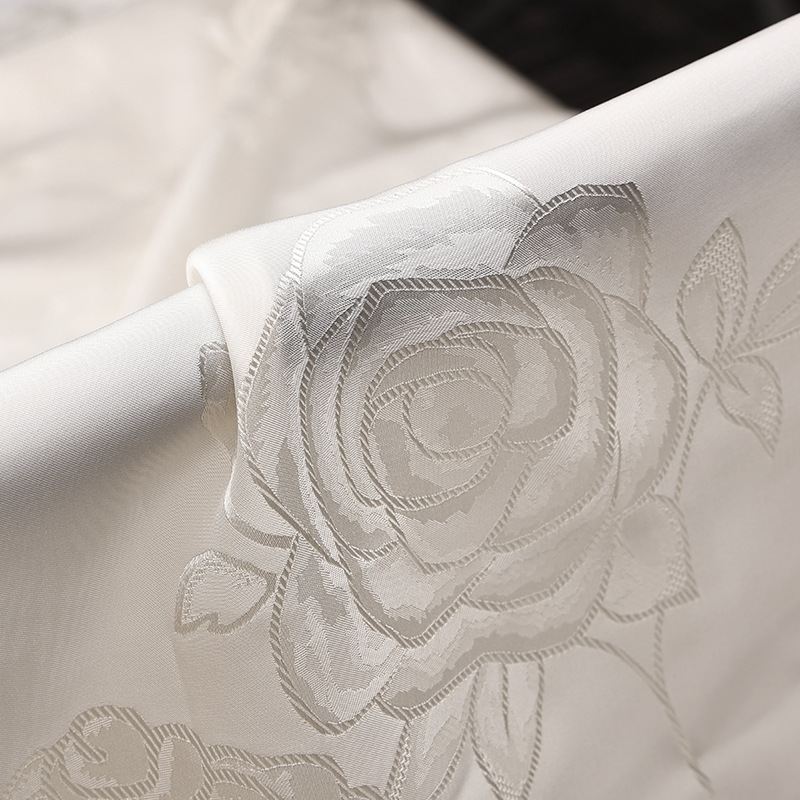
This fabric combines the smoothness and natural sheen of Mulberry Silk with the durability and versatility of Viscose, providing comfort and beauty for a variety of fashion applications.
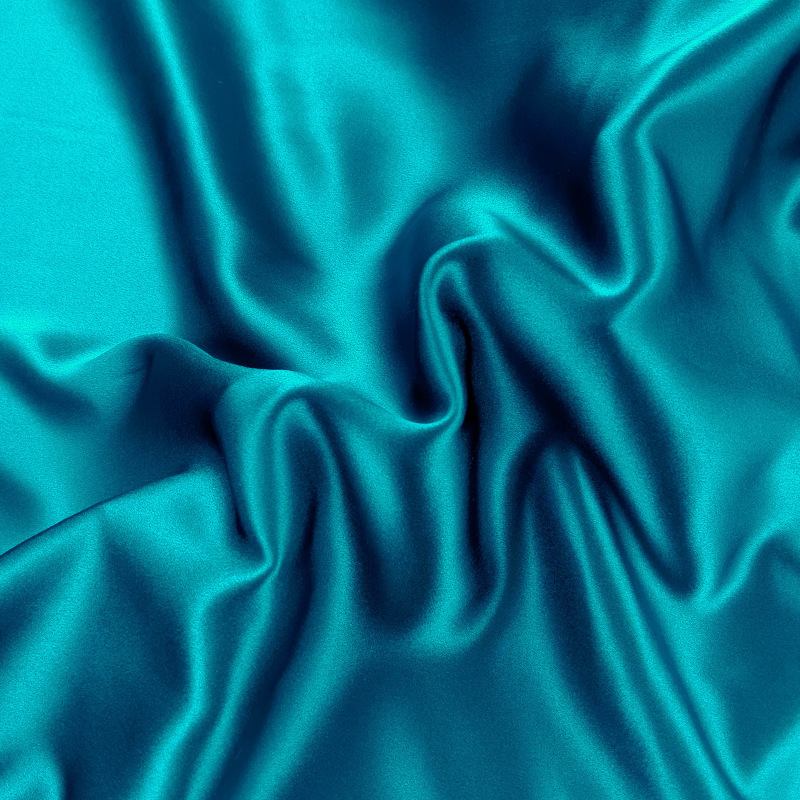
Used for all kinds of high-end silk bedding, such as silk four-piece sets, pillowcases, sheets, quilt covers, as well as silk scarves, summer pajamas, ladies' fashions and formal dresses, etc.
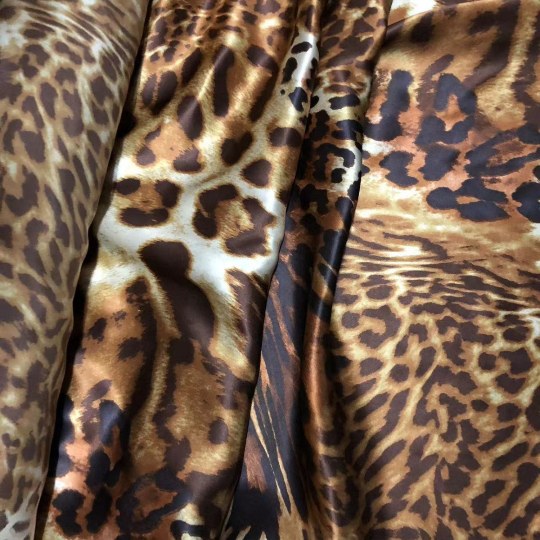
Leopard Jacquard Fabric is a luxurious and versatile textile characterized by its intricate woven patterns and elegant design.
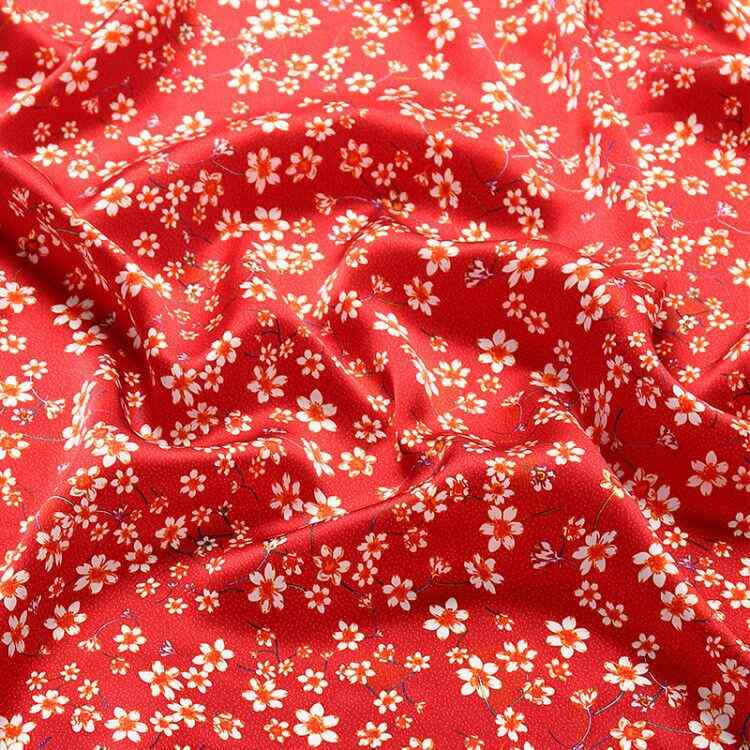
Floral Silk Fabric, crafted from Mulberry silk with a width of 140CM, a thickness of 16mm, and a weight of 68gsm, is ideal for creating elegant dresses, summer and spring outfits, luxurious sleepwear, and refined accessories like scarves and ties.
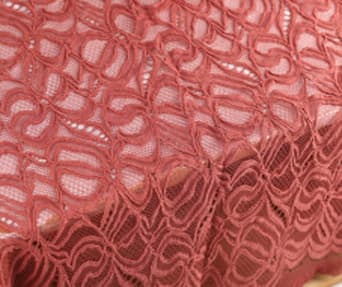
The best way to care for and wash Lace Fabric is to clean it gently using cold or lukewarm water and a mild detergent. Hand washing is recommended for delicate lace, while machine washing should only be done on a gentle cycle with the fabric placed inside
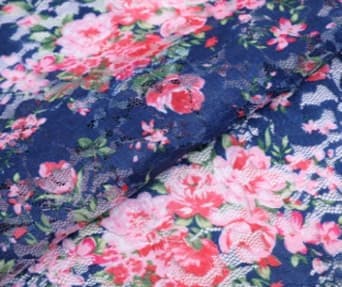
Lace Fabric can be made from a variety of materials, including cotton, polyester, nylon, rayon, silk, and spandex. Each material offers different characteristics such as softnes
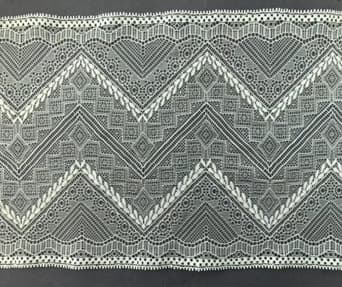
Corded lace is one of the most elegant and structurally rich types of lace used in fashion and textile design. It is widely applied in bridal gowns, evening dresses, lingerie, and decorative fabrics due to its raised outlines and three-dimensional texture. Unlike flat lace, corded lace is created by adding extra yarns or cords to emphasize floral or geometric patterns, making it more luxurious and visually striking.
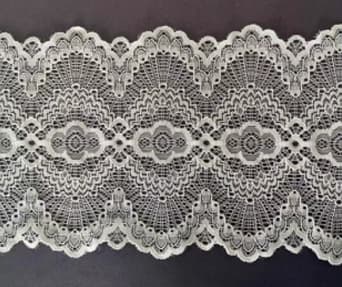
Corded lace is suitable for wedding dresses, evening gowns, blouses, skirts, lingerie, jackets, children's wear, and fashion accessories. Its raised embroidered patterns create a textured and elegant look that enhances both luxury and casual garments. Whether used as white lace or black corded lace fabric, it remains a versatile material widely used in modern fashion design.
Whatsapp: +86-137-1297-3009
Contact: Sophie Liao
Mailbox: sophie@chuanchencrafts.com
Add:Room 304, No.11, Jiaoyu Road, ZhangCun, Dongcheng Street, Dongguan City- 523112, China.

Wechat customer service
Copyright © 2026 Dongguan Chuanchen Craft Products Co., Ltd All rights reserved.