Lace fabric is widely used in fashion, lingerie, bridal wear, and even Home Textiles due to its intricate patterns and elegant appearance. However, its delicate structure requires proper care and maintenance to preserve its quality over time. For businesses sourcing from a lace fabric supplier or producing garments through a Lace Fabric manufacturer, understanding how to handle lace fabric correctly is essential to reduce damage, returns, and customer complaints.
The first principle in maintaining lace fabric is gentle handling. Because lace is often made with fine threads and open patterns, it is more prone to snagging and tearing compared to other textiles. Whether the lace fabric is made from cotton, polyester, or blended fibers, it is recommended to avoid excessive friction during washing.
Hand washing is generally the safest method. Using cold or lukewarm water with a mild detergent helps maintain the integrity of the fibers. Harsh chemicals, bleach, or strong detergents should be avoided, as they can weaken the threads and cause discoloration. For businesses that handle bulk garments, it is advisable to communicate proper washing instructions clearly to end customers, especially when working with a lace fabric factory that produces delicate or high-end lace.
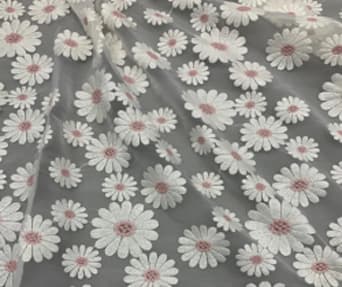
If machine washing is necessary, lace fabric should be placed inside a protective mesh laundry bag. This reduces the risk of tangling and mechanical damage. Selecting a gentle cycle with low spin speed is crucial. High agitation can distort the lace patterns and reduce the fabric’s lifespan.
Drying is another critical step. Lace fabric should never be wrung out, as this can stretch or break the fibers. Instead, excess water should be gently pressed out using a clean towel. Air drying on a flat surface is the best approach to maintain shape and structure. Hanging lace fabric, especially when wet, may lead to deformation due to gravity.
Ironing lace fabric requires extra caution. Low heat settings and the use of a pressing cloth are recommended to prevent direct heat damage. Some synthetic lace fabrics provided by a lace fabric manufacturer may be more heat-resistant, but testing on a small area is always advisable before full ironing.
Storage also plays an important role in maintaining lace fabric quality. It should be kept in a dry, cool environment, away from direct sunlight to prevent fading. Folding with acid-free tissue paper helps preserve the shape and prevents creases. For high-value products, many lace fabric suppliers recommend flat storage rather than hanging.
From a B2B perspective, proper care guidelines should be part of product documentation. Businesses working with a lace fabric factory can request customized care labels that align with the specific material composition and finishing processes. This not only enhances customer satisfaction but also reinforces brand professionalism.
In summary, maintaining and washing lace fabric properly is a combination of gentle cleaning, careful drying, and appropriate storage. By following these practices and collaborating with experienced lace fabric manufacturers, businesses can ensure that their lace products retain their beauty and durability throughout their lifecycle.

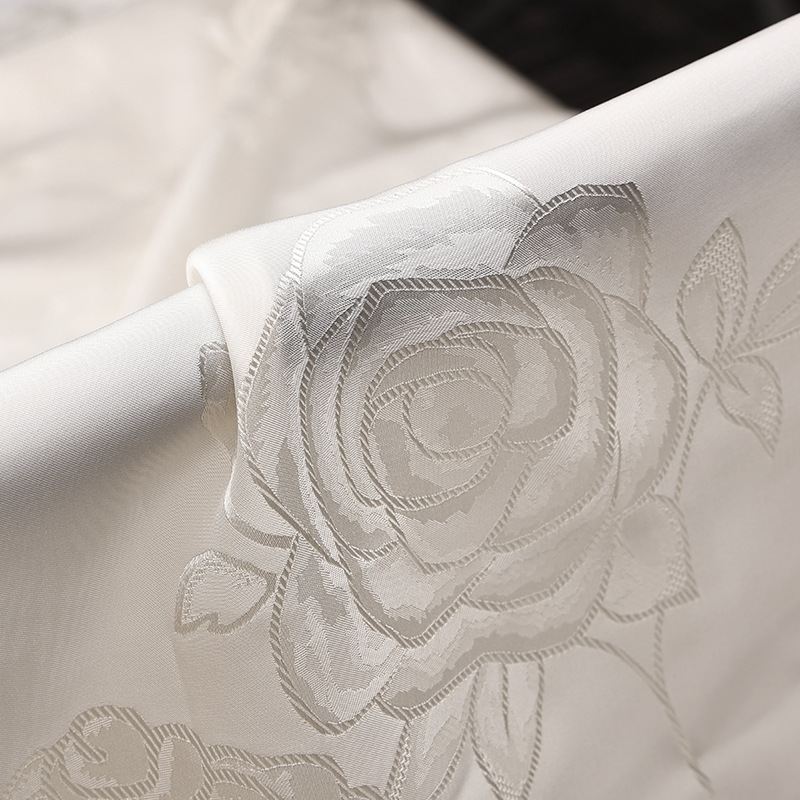
This fabric combines the smoothness and natural sheen of Mulberry Silk with the durability and versatility of Viscose, providing comfort and beauty for a variety of fashion applications.
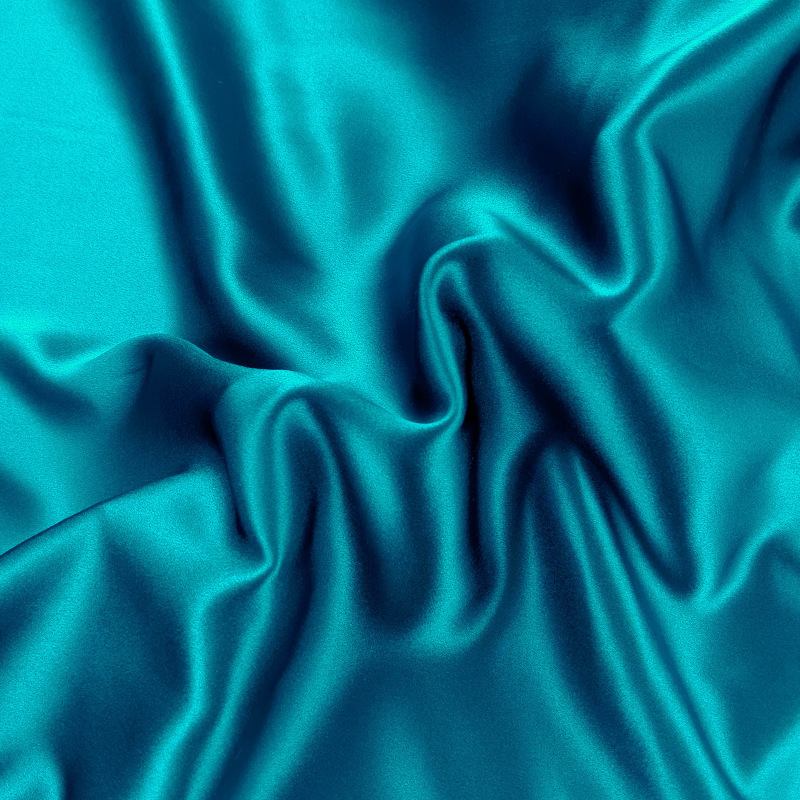
Used for all kinds of high-end silk bedding, such as silk four-piece sets, pillowcases, sheets, quilt covers, as well as silk scarves, summer pajamas, ladies' fashions and formal dresses, etc.
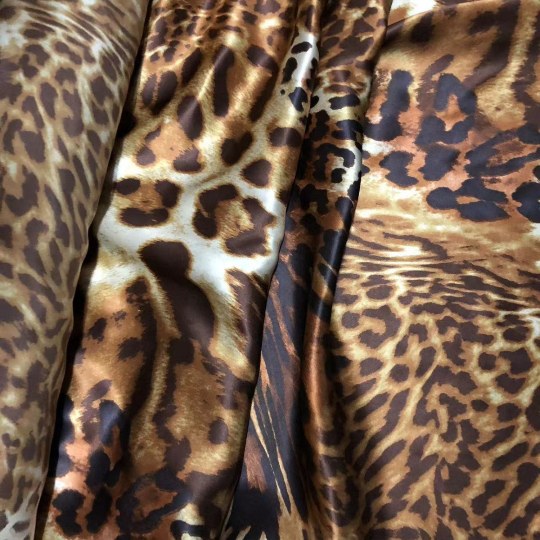
Leopard Jacquard Fabric is a luxurious and versatile textile characterized by its intricate woven patterns and elegant design.
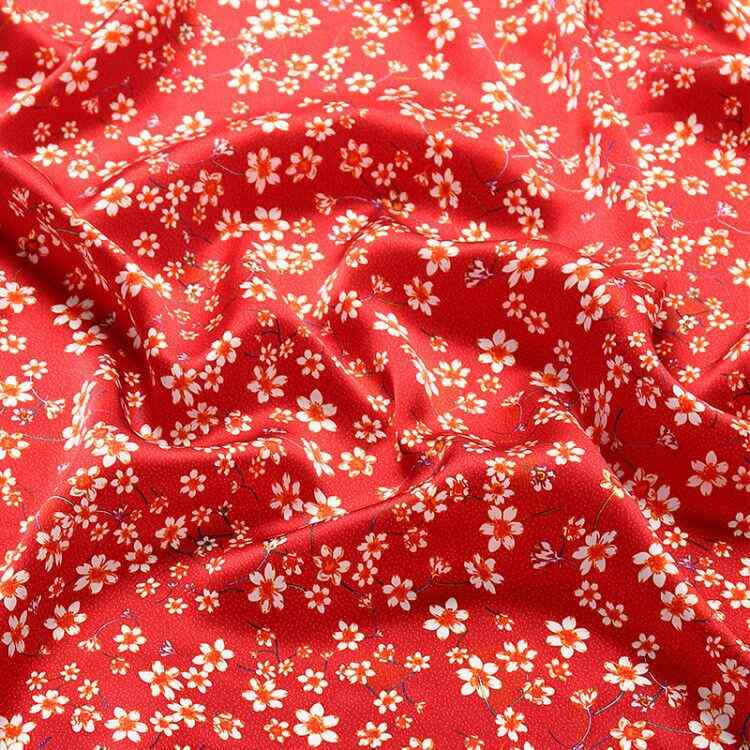
Floral Silk Fabric, crafted from Mulberry silk with a width of 140CM, a thickness of 16mm, and a weight of 68gsm, is ideal for creating elegant dresses, summer and spring outfits, luxurious sleepwear, and refined accessories like scarves and ties.
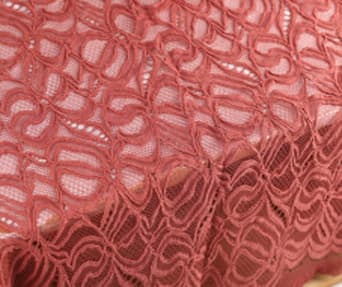
The best way to care for and wash Lace Fabric is to clean it gently using cold or lukewarm water and a mild detergent. Hand washing is recommended for delicate lace, while machine washing should only be done on a gentle cycle with the fabric placed inside
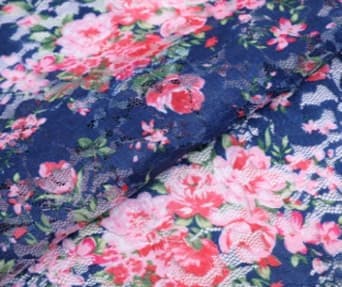
Lace Fabric can be made from a variety of materials, including cotton, polyester, nylon, rayon, silk, and spandex. Each material offers different characteristics such as softnes
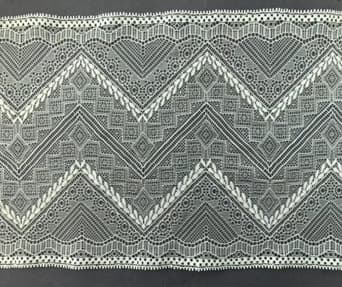
Corded lace is one of the most elegant and structurally rich types of lace used in fashion and textile design. It is widely applied in bridal gowns, evening dresses, lingerie, and decorative fabrics due to its raised outlines and three-dimensional texture. Unlike flat lace, corded lace is created by adding extra yarns or cords to emphasize floral or geometric patterns, making it more luxurious and visually striking.
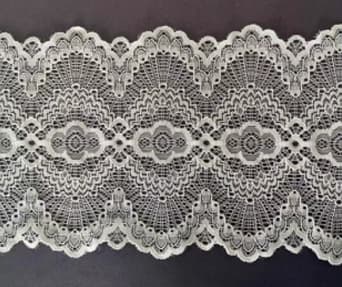
Corded lace is suitable for wedding dresses, evening gowns, blouses, skirts, lingerie, jackets, children's wear, and fashion accessories. Its raised embroidered patterns create a textured and elegant look that enhances both luxury and casual garments. Whether used as white lace or black corded lace fabric, it remains a versatile material widely used in modern fashion design.
Whatsapp: +86-137-1297-3009
Contact: Sophie Liao
Mailbox: sophie@chuanchencrafts.com
Add:Room 304, No.11, Jiaoyu Road, ZhangCun, Dongcheng Street, Dongguan City- 523112, China.

Wechat customer service
Copyright © 2026 Dongguan Chuanchen Craft Products Co., Ltd All rights reserved.