Choosing the right Lace fabric for wedding dresses is not simply a matter of aesthetics—it directly affects the garment’s texture,structure,comfort,and overall perceived value.For bridal brands,designers,and wholesalers,understanding the characteristics of different lace fabric types is essential when sourcing from a reliable Lace Fabric supplier or working with a professional lace fabric manufacturer.
Wedding dresses demand a balance between elegance and durability.Among the most commonly used lace fabrics,Chantilly lace stands out for its lightweight and delicate floral patterns.It is often used for overlays,sleeves,and veils because of its soft drape and fine detailing.However,it is not always the best option for structured gowns,as it lacks firmness.In contrast,Alençon lace offers a more defined pattern with a slightly raised corded design,making it ideal for gowns that require more texture and visual depth.
Guipure lace,also known as Venetian lace,is another popular option.Unlike other lace types,it does not use a mesh background,resulting in a heavier and more durable fabric.This makes it suitable for modern wedding dresses that emphasize bold patterns and structure.Many bridal brands prefer sourcing this type from a lace fabric factory that can ensure consistent pattern alignment and quality across bulk orders.
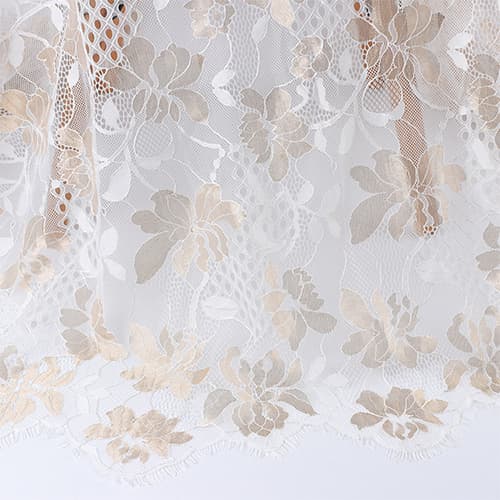
Stretch Lace fabric has also become increasingly popular in contemporary bridal wear.It combines elasticity with intricate lace design,making it suitable for fitted silhouettes such as mermaid or bodycon wedding dresses.For designers working with comfort-focused collections,partnering with an experienced lace fabric manufacturer ensures the right balance of elasticity and pattern retention.
Material composition plays a critical role as well.Cotton lace fabric offers a natural and breathable option,often chosen for outdoor or summer weddings.Polyester lace fabric,on the other hand,provides better durability,wrinkle resistance,and cost efficiency,which is particularly important for large-scale production.High-end bridal brands may opt for silk-based lace for its luxurious feel,but it requires careful handling and higher sourcing costs.
When selecting the best lace fabric,B2B buyers should also consider production capabilities.A professional lace fabric supplier should be able to provide consistent dyeing,precise pattern cutting,and customization options such as embroidery or sequins.Lead time,minimum order quantity,and quality control standards are equally important factors,especially for seasonal bridal collections.
Ultimately,the best lace fabric for wedding dresses depends on the design intent,target market,and price positioning.Delicate lace works well for romantic styles,while structured lace supports modern and bold designs.By collaborating with a reliable lace fabric factory,businesses can ensure not only aesthetic excellence but also production efficiency and long-term scalability.

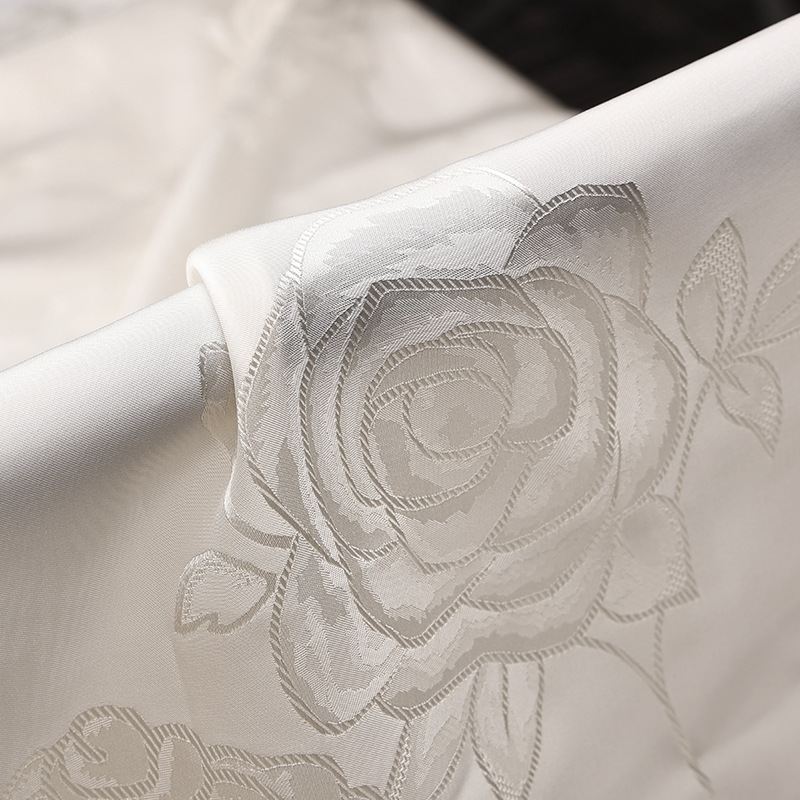
This fabric combines the smoothness and natural sheen of Mulberry Silk with the durability and versatility of Viscose, providing comfort and beauty for a variety of fashion applications.
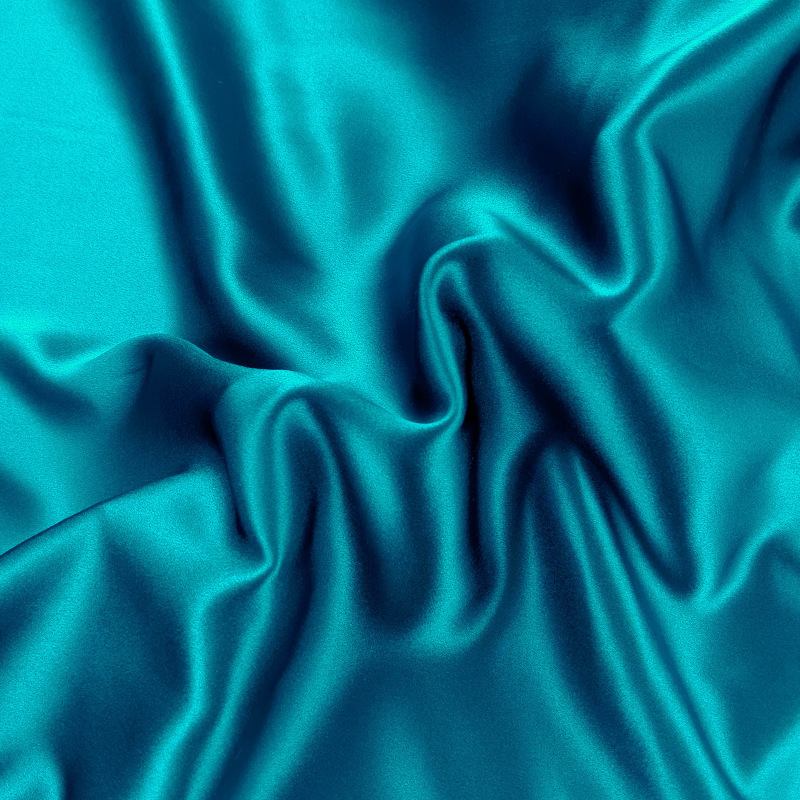
Used for all kinds of high-end silk bedding, such as silk four-piece sets, pillowcases, sheets, quilt covers, as well as silk scarves, summer pajamas, ladies' fashions and formal dresses, etc.
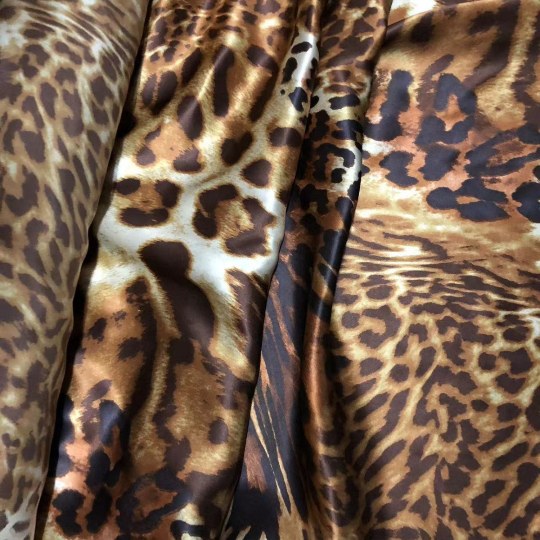
Leopard Jacquard Fabric is a luxurious and versatile textile characterized by its intricate woven patterns and elegant design.
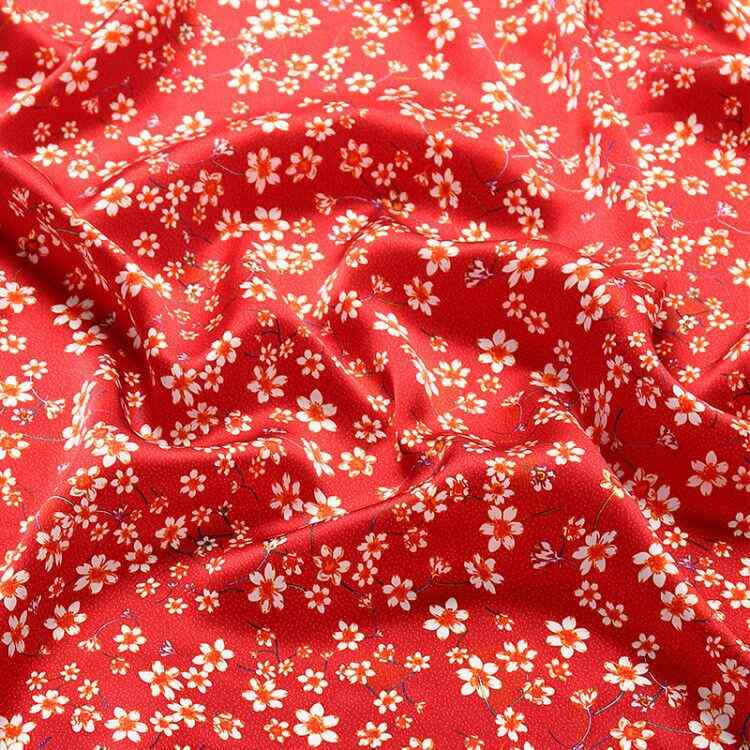
Floral Silk Fabric, crafted from Mulberry silk with a width of 140CM, a thickness of 16mm, and a weight of 68gsm, is ideal for creating elegant dresses, summer and spring outfits, luxurious sleepwear, and refined accessories like scarves and ties.
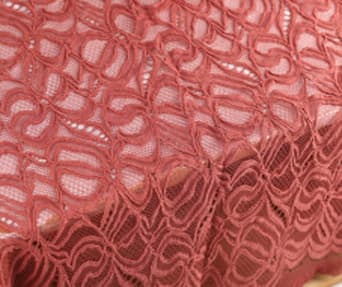
The best way to care for and wash Lace Fabric is to clean it gently using cold or lukewarm water and a mild detergent. Hand washing is recommended for delicate lace, while machine washing should only be done on a gentle cycle with the fabric placed inside
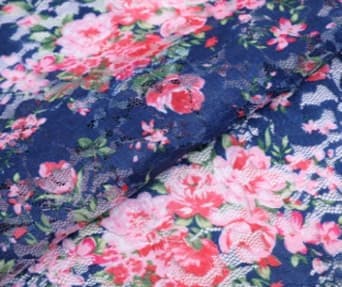
Lace Fabric can be made from a variety of materials, including cotton, polyester, nylon, rayon, silk, and spandex. Each material offers different characteristics such as softnes
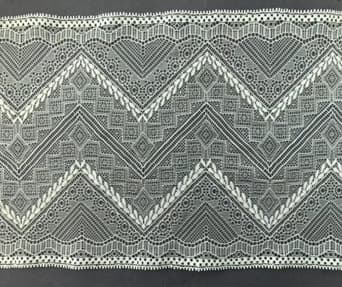
Corded lace is one of the most elegant and structurally rich types of lace used in fashion and textile design. It is widely applied in bridal gowns, evening dresses, lingerie, and decorative fabrics due to its raised outlines and three-dimensional texture. Unlike flat lace, corded lace is created by adding extra yarns or cords to emphasize floral or geometric patterns, making it more luxurious and visually striking.
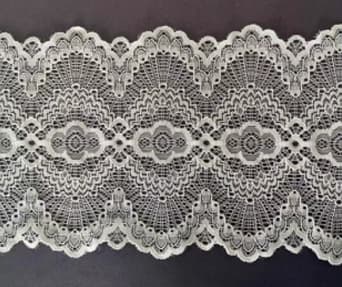
Corded lace is suitable for wedding dresses, evening gowns, blouses, skirts, lingerie, jackets, children's wear, and fashion accessories. Its raised embroidered patterns create a textured and elegant look that enhances both luxury and casual garments. Whether used as white lace or black corded lace fabric, it remains a versatile material widely used in modern fashion design.
Whatsapp: +86-137-1297-3009
Contact: Sophie Liao
Mailbox: sophie@chuanchencrafts.com
Add:Room 304, No.11, Jiaoyu Road, ZhangCun, Dongcheng Street, Dongguan City- 523112, China.

Wechat customer service
Copyright © 2026 Dongguan Chuanchen Craft Products Co., Ltd All rights reserved.