Corded lace is one of the most elegant and visually rich types of lace used in fashion and textile design. Known for its raised, dimensional patterns, corded lace stands out from flat Lace fabrics due to the use of thicker threads or cords that outline and enhance the design motifs. This unique structure gives the fabric a luxurious, textured appearance that is widely used in bridal wear, high-end fashion, and decorative applications.
Understanding corded lace helps designers, buyers, and manufacturers choose the right material for garments and interior projects where elegance and detail matter.
Corded lace is created by adding a thicker thread—often called a cord or gimp—along the outlines of a lace pattern. This cord is stitched or woven into the base lace fabric, highlighting floral, geometric, or ornamental designs.
Unlike flat lace, where patterns are created solely by threadwork, corded lace introduces a three-dimensional effect. The raised outlines create shadows and depth, making the design more visible and visually striking.
The base fabric is usually made from fine threads such as cotton, polyester, silk, or nylon. The cord itself may be slightly heavier to enhance the raised effect while maintaining flexibility.
The raised cords create a noticeable texture that gives the lace depth. This makes patterns more defined and visually appealing, especially under light.
Corded lace is often associated with premium fashion due to its detailed craftsmanship. It is commonly used in bridal and couture garments where visual richness is important.
Because the designs are outlined with thicker cords, motifs such as flowers, vines, or abstract shapes appear sharper and more structured.
The additional cord reinforcement helps the lace maintain its shape, reducing distortion during cutting and sewing.
Corded lace can be produced in various materials and weights, making it suitable for both lightweight garments and heavier decorative applications.
The production process of corded lace involves both weaving and embroidery techniques. First, a base lace is created using machine or hand methods. Then, cords are carefully stitched along the design outlines.
In modern manufacturing, computerized embroidery machines are often used to place cords precisely and consistently. This ensures uniform quality and detailed pattern reproduction.
After cord application, the lace may go through finishing processes such as washing, softening, or dyeing to achieve the desired texture and color.
Corded lace is a top choice for wedding gowns due to its romantic and luxurious appearance. Designers often use it for sleeves, bodices, and overlays to create a dramatic effect.
High-end fashion brands use corded lace in evening dresses, skirts, and tops to enhance sophistication and visual depth.
The delicate yet structured look of corded lace makes it suitable for lingerie, adding both comfort and elegance.
Corded lace is also used in curtains, tablecloths, cushion covers, and decorative panels, bringing a vintage or luxurious feel to interior spaces.
Items such as veils, gloves, handbags, and hair accessories often feature corded lace details for added refinement.
Enhanced visual impact due to raised patterns
Premium and luxury fashion appeal
Strong design flexibility for modern and classic styles
Better shape retention during garment production
Wide application across fashion, décor, and accessories
These advantages make corded lace a preferred material in competitive fashion markets.
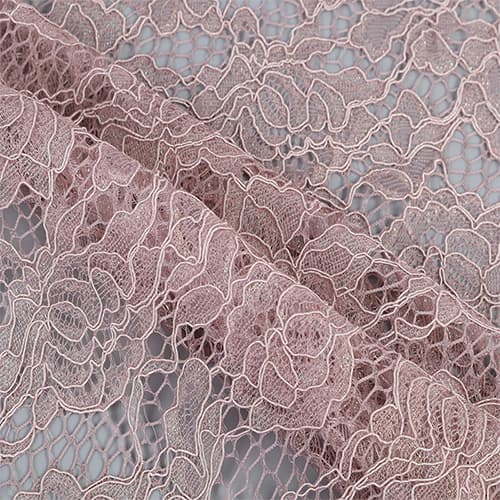
Corded lace is often compared with other lace types such as Chantilly lace, guipure lace, and Embroidered Lace.
Compared to Chantilly lace, which is lightweight and delicate, corded lace is more structured and dimensional. Compared to guipure lace, which is heavier and more solid, corded lace maintains a softer and more flexible drape.
Unlike standard embroidered lace, corded lace specifically uses thicker threads to highlight pattern outlines, making it visually more pronounced.
Hand wash gently or use delicate machine cycles
Avoid high heat when ironing
Store flat or hang to prevent creasing
Use mild detergents to preserve fabric quality
Because of its delicate structure, harsh washing or excessive friction should be avoided.
Corded lace is a timeless and elegant fabric that combines artistry with structure. Its raised corded patterns create depth, richness, and sophistication that make it ideal for bridal wear, fashion design, and interior decoration.
Whether used in a luxury gown or a decorative curtain, corded lace continues to represent elegance and craftsmanship in the textile industry.
As demand for premium and visually distinctive fabrics grows, corded lace remains a key material in both traditional and modern design applications.
Previous: What Are The Different Types Of Lace Fabric?
Next: What Is Corded Lace?

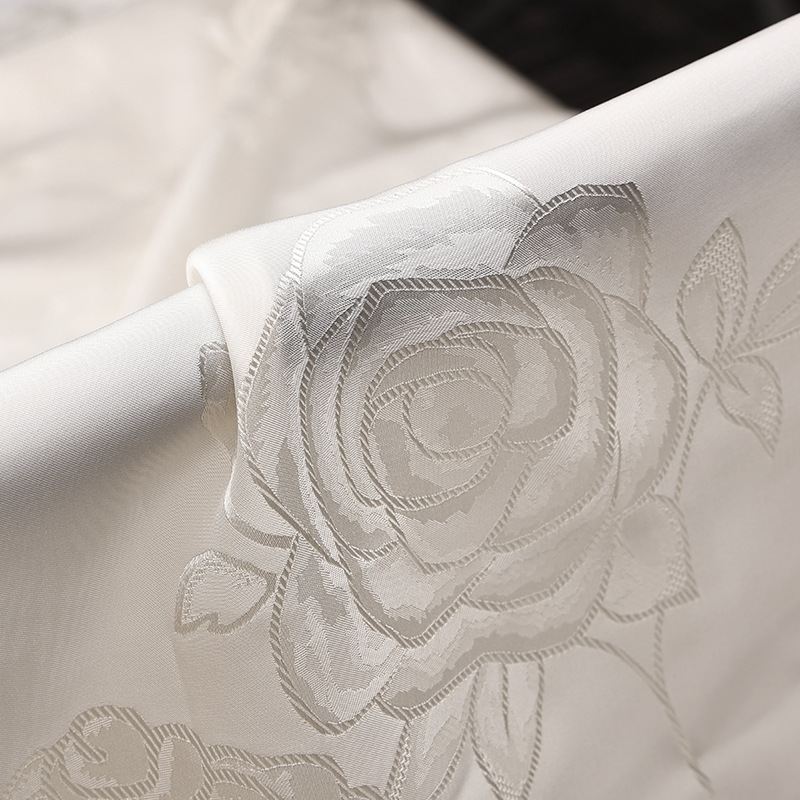
This fabric combines the smoothness and natural sheen of Mulberry Silk with the durability and versatility of Viscose, providing comfort and beauty for a variety of fashion applications.
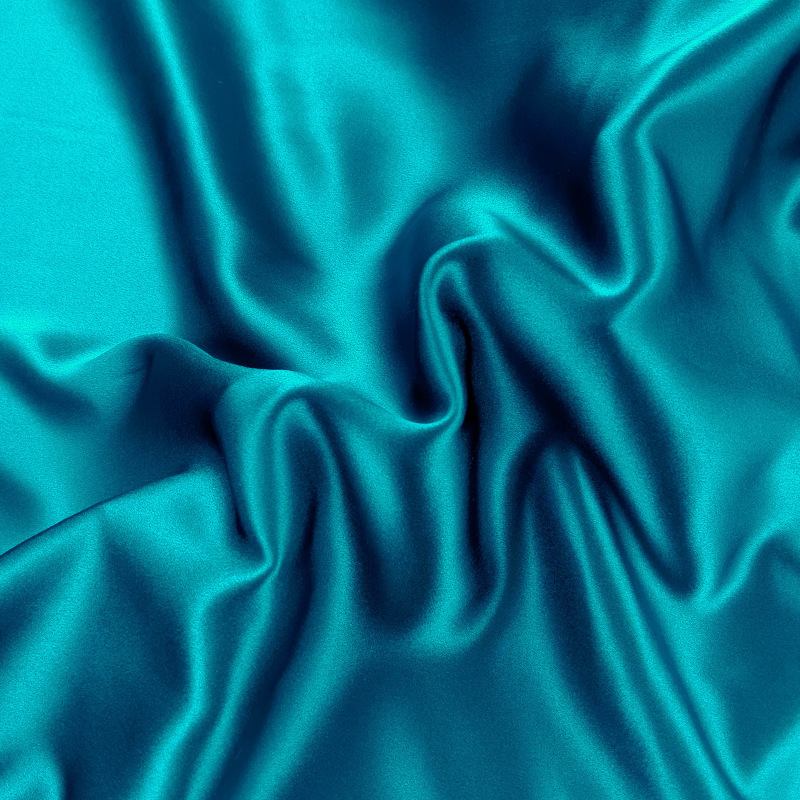
Used for all kinds of high-end silk bedding, such as silk four-piece sets, pillowcases, sheets, quilt covers, as well as silk scarves, summer pajamas, ladies' fashions and formal dresses, etc.
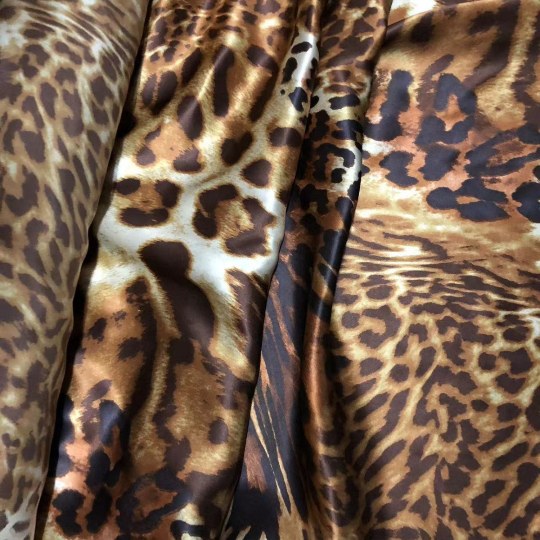
Leopard Jacquard Fabric is a luxurious and versatile textile characterized by its intricate woven patterns and elegant design.
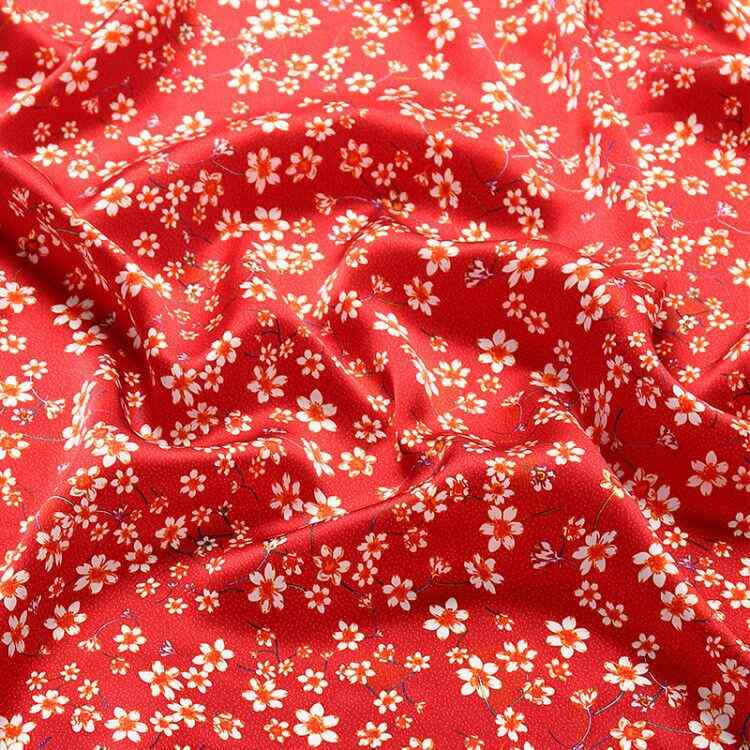
Floral Silk Fabric, crafted from Mulberry silk with a width of 140CM, a thickness of 16mm, and a weight of 68gsm, is ideal for creating elegant dresses, summer and spring outfits, luxurious sleepwear, and refined accessories like scarves and ties.
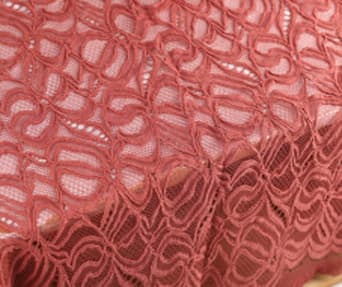
The best way to care for and wash Lace Fabric is to clean it gently using cold or lukewarm water and a mild detergent. Hand washing is recommended for delicate lace, while machine washing should only be done on a gentle cycle with the fabric placed inside
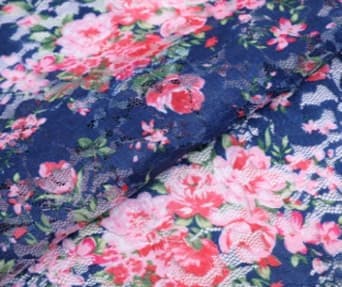
Lace Fabric can be made from a variety of materials, including cotton, polyester, nylon, rayon, silk, and spandex. Each material offers different characteristics such as softnes
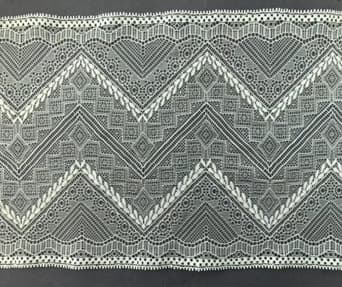
Corded lace is one of the most elegant and structurally rich types of lace used in fashion and textile design. It is widely applied in bridal gowns, evening dresses, lingerie, and decorative fabrics due to its raised outlines and three-dimensional texture. Unlike flat lace, corded lace is created by adding extra yarns or cords to emphasize floral or geometric patterns, making it more luxurious and visually striking.
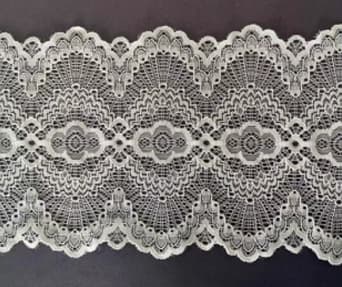
Corded lace is suitable for wedding dresses, evening gowns, blouses, skirts, lingerie, jackets, children's wear, and fashion accessories. Its raised embroidered patterns create a textured and elegant look that enhances both luxury and casual garments. Whether used as white lace or black corded lace fabric, it remains a versatile material widely used in modern fashion design.
Whatsapp: +86-137-1297-3009
Contact: Sophie Liao
Mailbox: sophie@chuanchencrafts.com
Add:Room 304, No.11, Jiaoyu Road, ZhangCun, Dongcheng Street, Dongguan City- 523112, China.

Wechat customer service
Copyright © 2026 Dongguan Chuanchen Craft Products Co., Ltd All rights reserved.