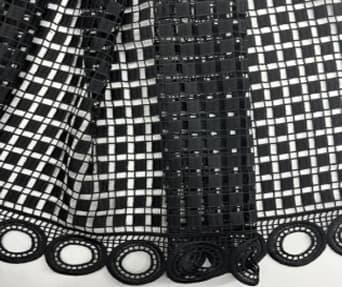
Corded lace is a decorative lace textile distinguished by its raised,textured outlines that give patterns a three-dimensional appearance.Unlike flat lace,corded lace uses an extra thread—often thicker than the base lace yarn—to trace and emphasize floral or ornamental motifs.This subtle yet elegant elevation is what sets corded lace apart and makes it highly valued in premium fashion,bridal wear,and upscale textile applications.
In global textile markets,corded lace has become a staple material for designers seeking depth,structure,and visual richness.Whether used as full garments or decorative accents,corded Lace fabric continues to play a vital role in both traditional and contemporary fashion design.
Understanding the Structure of Corded Lace
At its core,corded lace is created by stitching or weaving a cord-like thread along the edges of lace motifs.This cord may be made from cotton,polyester,rayon,nylon,silk,or blended fibers,depending on the intended application and cost requirements.The base lace is usually produced using embroidery,Raschel knitting,or Leavers lace techniques,after which the cord is applied to outline the design.
The result is a lace fabric with enhanced definition.Flowers appear more pronounced,geometric shapes gain clarity,and the entire surface takes on a sculpted look.This raised effect improves both visual appeal and tactile quality,making corded lace fabric especially suitable for garments where detail matters.
Cord Lace vs.Regular Lace:Key Differences
Many buyers ask whether cord lace is simply a decorative variation of standard lace.In reality,the difference is both aesthetic and functional.
Regular lace typically lies flat,with patterns created through openwork and thread density.While beautiful,it may lack visual depth when viewed from a distance or under certain lighting.Corded lace,on the other hand,uses outlining threads to create contrast and relief.This makes patterns more visible in photographs,on runways,and in finished garments.
From a manufacturing perspective,corded lace requires additional processing,which often results in a higher price point.However,the added value is clear—corded lace offers a premium appearance that enhances the perceived quality of the final product.
Applications of Corded Lace Fabric in Fashion
Corded lace fabric is widely used across multiple segments of the fashion and textile industry.One of its most prominent applications is bridalwear.Wedding dresses frequently feature corded lace overlays because the raised motifs photograph beautifully and add a luxurious,handcrafted feel.Designers often use corded lace on bodices,sleeves,trains,and veils to create focal points without excessive embellishment.
In evening wear and formal dresses,cord lace is used to define silhouettes and add texture to gowns.The structured nature of corded lace fabric allows it to hold shape better than softer laces,making it suitable for fitted designs.
Lingerie and intimate apparel brands also incorporate corded lace trim for its decorative value and durability.When used carefully,cord lace trim adds elegance without compromising comfort,especially when blended with stretch materials.
Beyond apparel,corded lace appears in Home Textiles such as curtains,table runners,and decorative panels.In these applications,the raised patterns enhance visual interest and elevate interior aesthetics.
Cord Lace Trim:A Versatile Decorative Element
Cord lace trim is a narrower form of corded lace designed specifically for edging and embellishment.Instead of using full-width fabric,manufacturers apply cord lace trim to hems,necklines,cuffs,and seams.
For garment factories and fashion brands,cord lace trim offers flexibility.It allows designers to incorporate the luxury look of corded lace without the cost of full-lace construction.This makes it particularly popular in ready-to-wear collections,children’s clothing,and mass-market fashion.
Cord lace trim is available in a wide range of widths,colors,and patterns.Some trims feature dense floral motifs,while others use minimalist geometric designs.Buyers often select cord lace trim based on compatibility with base fabrics,washability requirements,and production efficiency.
Materials Used in Corded Lace Production
The performance and appearance of corded lace depend heavily on material selection.Polyester corded lace is common in export markets due to its durability,colorfastness,and cost efficiency.It is easy to maintain and suitable for large-scale production.
Cotton corded lace offers a softer,more natural feel and is often used in vintage-inspired or eco-conscious collections.Silk and rayon cords provide a luxurious sheen but are typically reserved for high-end or custom designs.
Blended fibers combine strength and aesthetics,allowing Cord Lace Fabric to meet diverse market needs.For buyers sourcing corded lace internationally,understanding fiber composition is essential for compliance,pricing,and end-use suitability.
Manufacturing Techniques and Quality Considerations
High-quality corded lace requires precision in both base lace production and cord application.Even tension,consistent stitch density,and clean outlining are critical quality indicators.Poorly executed corded lace may show uneven lines,loose cords,or distortion after washing.
For B2B buyers,it is important to evaluate samples under different lighting conditions and perform basic tests such as washing,stretching,and abrasion resistance.Reliable suppliers will provide technical specifications,including fabric weight,cord thickness,shrinkage rate,and colorfastness standards.
Why Corded Lace Remains Popular in Global Markets
Despite changing fashion trends,corded lace continues to maintain strong demand.One reason is its timeless appeal.Raised lace patterns evoke craftsmanship and detail,qualities that resonate with consumers across cultures.
Additionally,corded lace adapts well to modern design.Minimalist dresses may use subtle cord outlining,while maximalist designs embrace bold,heavily corded motifs.This versatility keeps cord lace relevant in both classic and contemporary collections.
From a marketing perspective,corded lace photographs exceptionally well.The texture creates shadows and highlights that enhance visual storytelling,making it ideal for e-commerce,lookbooks,and social media campaigns.
Choosing the Right Corded Lace Supplier
For international buyers,selecting the right supplier is just as important as choosing the right design.A reliable corded lace manufacturer should offer consistent quality,customization options,and stable lead times.
Buyers should look for suppliers who can produce cord lace fabric and cord lace trim according to specific requirements,including color matching,pattern development,and packaging standards.Experience in export markets,familiarity with compliance regulations,and clear communication are key factors in long-term cooperation.
Sampling is a critical step.Before bulk orders,buyers should request samples to evaluate hand feel,pattern clarity,and overall workmanship.A professional supplier will be transparent about production capabilities and limitations.
Final Thoughts on Corded Lace
Corded lace is more than just a decorative textile—it is a material that adds dimension,elegance,and value to finished products.From bridal gowns to everyday fashion accents,cord lace continues to shape design possibilities across industries.
Understanding what corded lace is,how cord lace trim differs from full fabric,and how corded lace fabric performs in real-world applications enables buyers to make informed sourcing decisions.As global demand for textured and premium textiles grows,corded lace remains a smart and stylish choice for fashion and textile professionals.

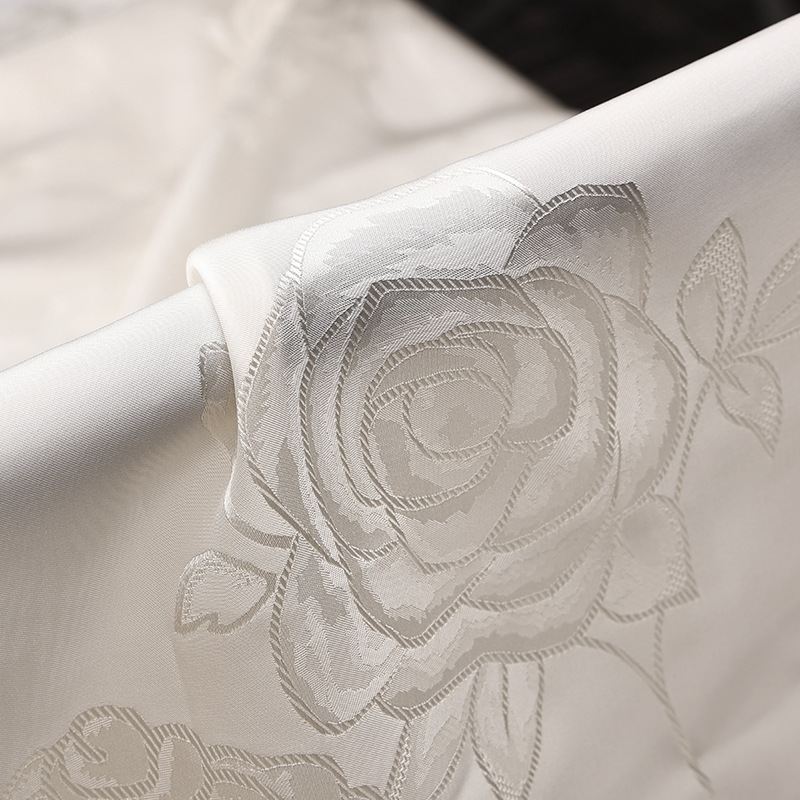
This fabric combines the smoothness and natural sheen of Mulberry Silk with the durability and versatility of Viscose, providing comfort and beauty for a variety of fashion applications.
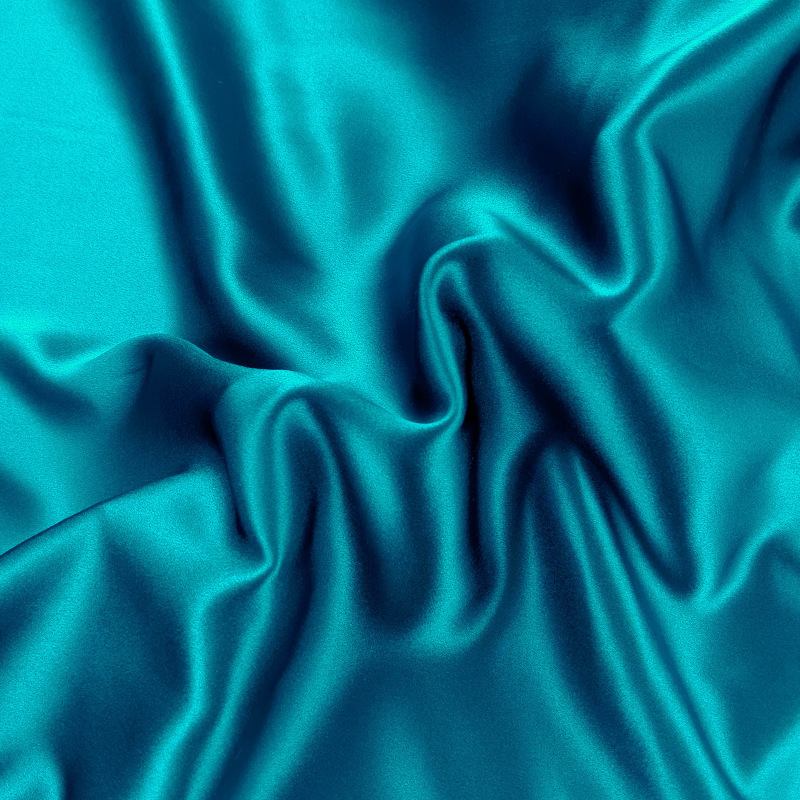
Used for all kinds of high-end silk bedding, such as silk four-piece sets, pillowcases, sheets, quilt covers, as well as silk scarves, summer pajamas, ladies' fashions and formal dresses, etc.
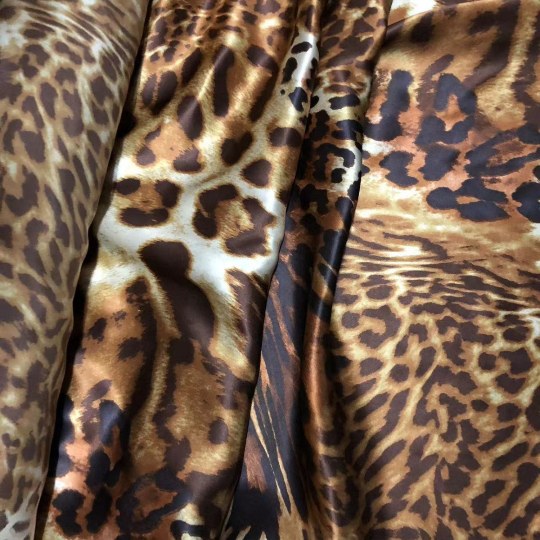
Leopard Jacquard Fabric is a luxurious and versatile textile characterized by its intricate woven patterns and elegant design.
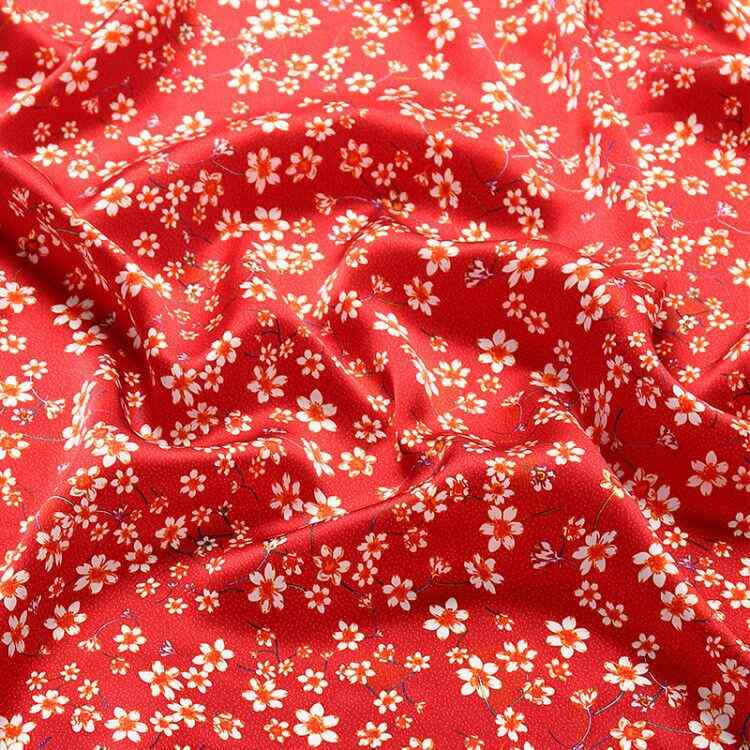
Floral Silk Fabric, crafted from Mulberry silk with a width of 140CM, a thickness of 16mm, and a weight of 68gsm, is ideal for creating elegant dresses, summer and spring outfits, luxurious sleepwear, and refined accessories like scarves and ties.
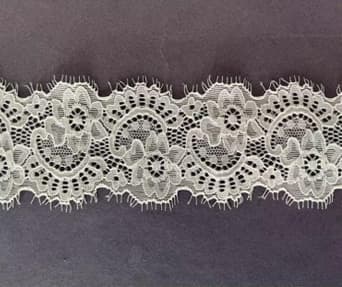
Lace fabrics are a versatile choice in fashion, home décor, and crafts, offering delicate patterns and elegant textures. Among them, cord lace stands out for its distinctive raised design and structural depth. Unlike traditional lace fabrics, which are often flat and lightweight, cord lace incorporates a thicker thread or cord that outlines patterns, creating a three-dimensional effect. This unique characteristic makes cord lace ideal for garments and applications that require both visual appeal and tactile texture.
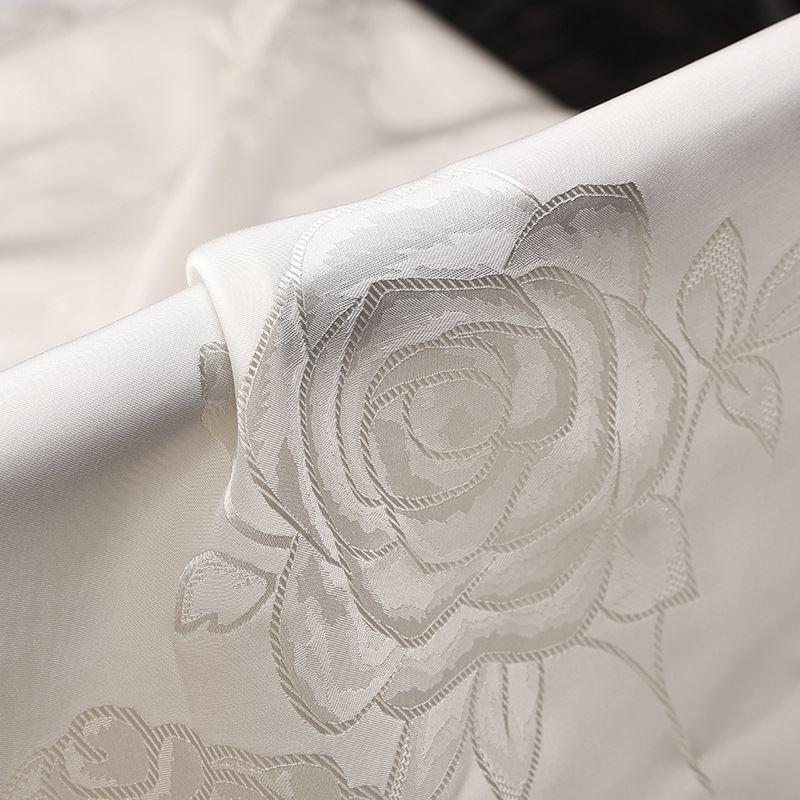
China has become a leading hub for high-quality textile production, and the China jacquard lace fabric industry is no exception. Renowned for its intricate patterns and durable materials, jacquard lace is widely used in fashion, home décor, and wedding apparel. Many designers and retailers seek reliable suppliers to ensure both aesthetic appeal and consistent quality in their products.
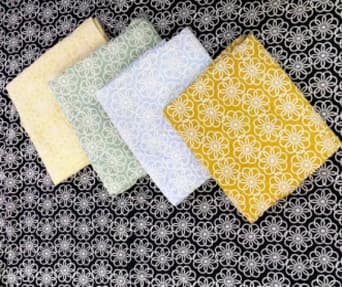
In the competitive textile industry, finding a reliable lace fabric manufacturer is crucial for brands that want to stand out with high-quality and unique designs. A professional manufacturer can offer a wide range of lace materials, patterns, and finishes, ensuring that every piece meets the aesthetic and functional needs of your brand. Whether you are producing elegant dresses, bridal wear, or home décor, partnering with an experienced lace supplier guarantees consistency and craftsmanship.

Breathability is one of the most important factors when selecting fabrics for intimate apparel.Since lingerie and undergarments are worn directly against the skin for extended periods,the fabric must allow air circulation and moisture evaporation.
Whatsapp: +86-137-1297-3009
Contact: Sophie Liao
Mailbox: sophie@chuanchencrafts.com
Add:Room 304, No.11, Jiaoyu Road, ZhangCun, Dongcheng Street, Dongguan City- 523112, China.

Wechat customer service
Copyright © 2026 Dongguan Chuanchen Craft Products Co., Ltd All rights reserved.