Choosing the right paracord thickness for laces is more important than many people realize.Whether you are replacing broken boot laces,designing custom footwear,or sourcing materials for fashion or outdoor products,the thickness of paracord directly affects comfort,durability,appearance,and performance.This is especially true when paracord is used as a Cord Lace in demanding environments such as hiking,military boots,tactical shoes,or even decorative applications inspired by corded lace aesthetics.
Paracord,short for parachute cord,was originally developed for military parachutes,but today it has expanded into footwear,apparel,crafts,and industrial uses.When used as laces,paracord bridges the gap between strength and flexibility,making it a popular alternative to traditional shoelaces,woven cord Lace fabric,or ornamental cord lace trim.
Understanding Paracord Thickness and Types
Paracord thickness is usually defined by its“Type”or diameter.The most common options include Type I,Type II,Type III(550 paracord),and Type IV.Each type differs in diameter,tensile strength,and internal strand structure.
Type I paracord is thin and lightweight,typically around 1.8 mm in diameter.It is flexible and easy to thread through small eyelets,making it suitable for lightweight shoes,sneakers,or decorative cord lace designs where strength is less critical.However,it lacks the rugged durability needed for boots or outdoor footwear.
Type II paracord measures approximately 2.4 mm in diameter.It offers a balance between flexibility and strength and is often chosen for casual shoes or low-profile boots.When used as a cord lace,Type II paracord provides a clean,minimal look while still outperforming standard cotton or polyester laces.
Type III paracord,commonly known as 550 paracord,is the most widely recommended option for laces.With a diameter of about 4 mm,it provides excellent abrasion resistance,knot security,and long-term durability.This thickness works particularly well for hiking boots,work boots,and tactical footwear.Many manufacturers favor Type III when producing heavy-duty cord lace products because it maintains its shape under tension and resists fraying better than thinner cords.
Type IV paracord is thicker and stronger,exceeding 4 mm in diameter.While extremely durable,it can be too bulky for most shoe eyelets.It is rarely used for standard laces but may be appropriate for custom boots or specialty footwear designs where oversized corded lace elements are part of the visual identity.
Matching Paracord Thickness to Shoe Type
Selecting the correct paracord thickness depends largely on the type of footwear.Lightweight running shoes or casual sneakers benefit from thinner paracord that does not add unnecessary bulk or stiffness.In these cases,Type I or Type II paracord offers enough strength while maintaining flexibility and comfort.
For hiking boots,military boots,and work footwear,Type III paracord is generally the best choice.Its thickness allows it to function as a robust cord lace that can handle repeated tightening,exposure to dirt and moisture,and constant friction against metal eyelets.Compared to traditional woven laces or decorative cord lace trim,paracord provides superior performance in harsh conditions.
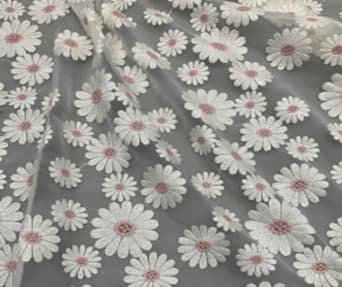
Fashion footwear and custom-designed shoes often blur the line between function and aesthetics.Designers sometimes incorporate paracord as a visual element inspired by corded lace or even traditional lace textiles.In these cases,thickness is chosen not only for strength but also for appearance.Thicker paracord creates a bold,industrial look,while thinner cord blends more seamlessly with delicate Cord Lace Fabric uppers or decorative lace trims.
Comfort and Practical Considerations
Thickness affects more than durability;it also impacts comfort and usability.A paracord lace that is too thick may create pressure points on the top of the foot or make it difficult to achieve even tension across the shoe.Conversely,a cord that is too thin may dig into eyelets,slip knots more easily,or wear out prematurely.
When replacing standard shoelaces with paracord,it is important to check the diameter of the eyelets.Many modern shoes are designed for flat laces or woven cord lace materials rather than round cords.In such cases,a thinner paracord ensures smooth threading without damaging the shoe.
Length also matters.Thicker paracord requires slightly more length to tie secure knots.When sourcing paracord for bulk production or retail,this should be factored into material planning,especially for export-oriented footwear brands or accessory suppliers.
Paracord vs Traditional Cord Lace Materials
Traditional cord lace fabric is typically made from cotton,polyester,or blended fibers.These materials are soft,lightweight,and visually versatile but often lack the tensile strength and abrasion resistance of paracord.Corded lace used in fashion or upholstery focuses on decorative texture rather than structural performance.
Paracord stands out because it combines strength,flexibility,and weather resistance.Unlike cotton-based cord lace trim,paracord does not absorb moisture easily,reducing the risk of mildew or weakening in wet conditions.This makes it especially suitable for outdoor and industrial applications.
However,corded lace and cord lace fabric still play an important role in design-driven footwear.In luxury or fashion markets,paracord may be combined with lace trims or fabric panels to create contrast between rugged functionality and refined aesthetics.In such hybrid designs,choosing the right paracord thickness ensures harmony rather than visual imbalance.
Aesthetic Impact and Branding Value
From a branding perspective,paracord thickness contributes to the overall look and feel of a product.Thicker paracord conveys strength,durability,and utility,aligning well with outdoor,tactical,or workwear brands.Thinner paracord suggests minimalism and versatility,appealing to urban or lifestyle footwear markets.
Color options further enhance branding opportunities.Paracord is available in a wide range of solid colors,patterns,and reflective finishes.When used alongside cord lace trim or corded lace details,it can elevate a shoe’s visual identity while maintaining functional integrity.
Final Recommendation:What Thickness Should You Use?
For most applications,Type III(around 4 mm)paracord is the optimal thickness for laces.It provides a reliable balance of durability,comfort,and ease of use,making it suitable for the majority of boots and outdoor shoes.If the footwear is lightweight or primarily decorative,Type I or Type II paracord offers a slimmer profile that integrates well with cord lace fabric and lace-inspired designs.
Ultimately,the best choice depends on the shoe’s purpose,eyelet size,and desired aesthetic.By understanding how paracord thickness compares to traditional cord lace materials and decorative corded lace,manufacturers and buyers can make informed decisions that enhance both performance and style.

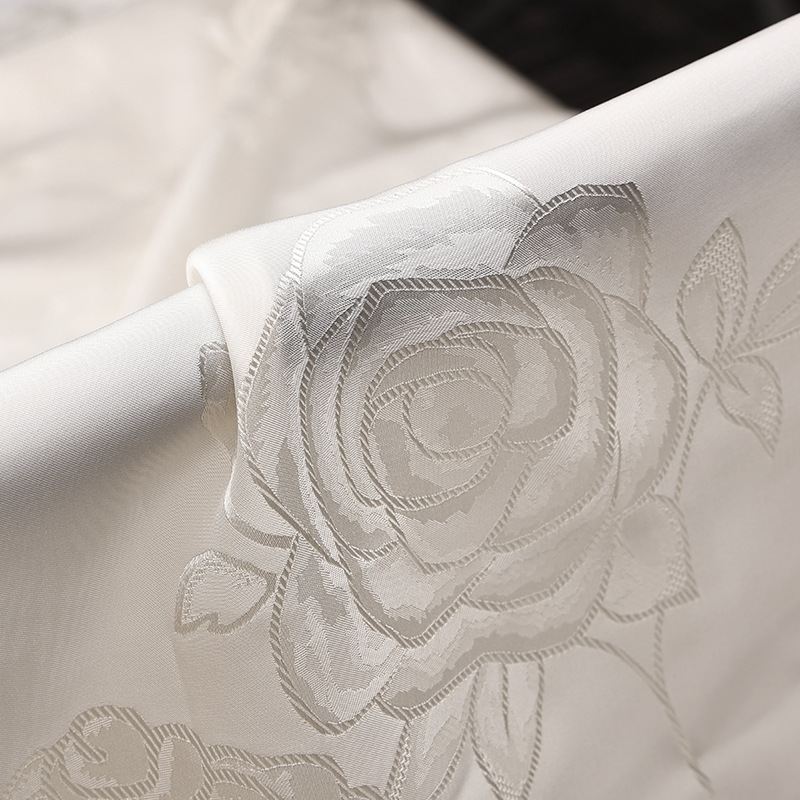
This fabric combines the smoothness and natural sheen of Mulberry Silk with the durability and versatility of Viscose, providing comfort and beauty for a variety of fashion applications.
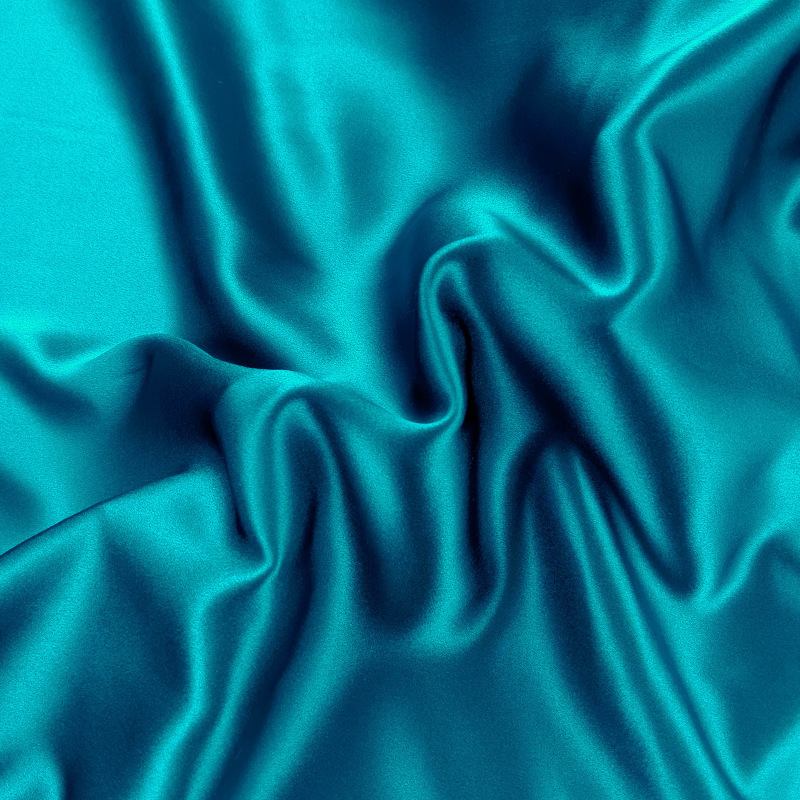
Used for all kinds of high-end silk bedding, such as silk four-piece sets, pillowcases, sheets, quilt covers, as well as silk scarves, summer pajamas, ladies' fashions and formal dresses, etc.
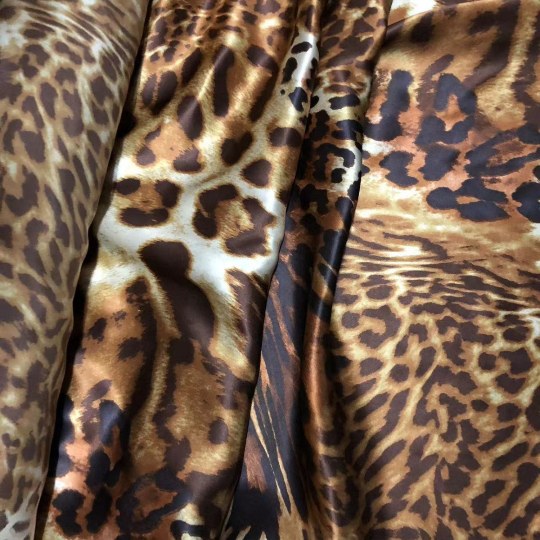
Leopard Jacquard Fabric is a luxurious and versatile textile characterized by its intricate woven patterns and elegant design.
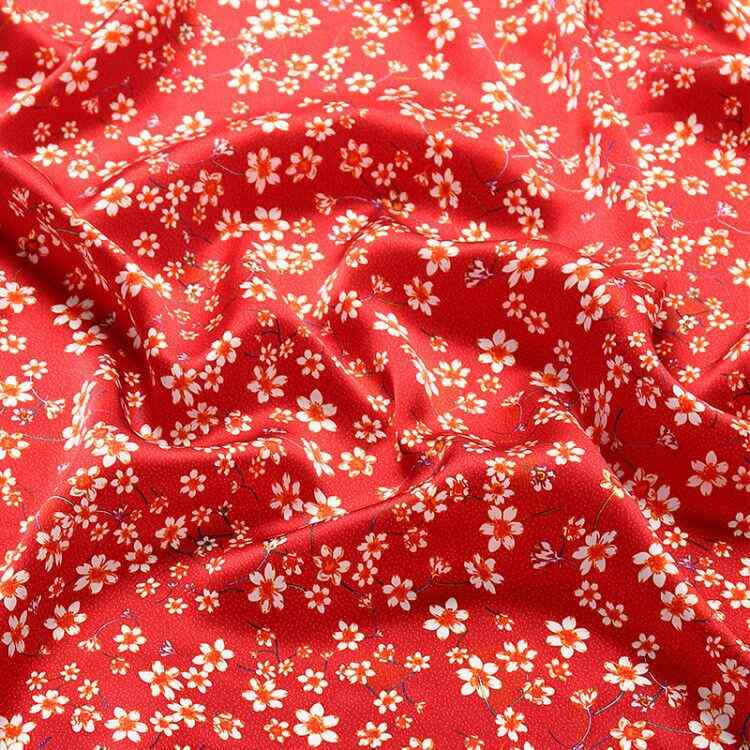
Floral Silk Fabric, crafted from Mulberry silk with a width of 140CM, a thickness of 16mm, and a weight of 68gsm, is ideal for creating elegant dresses, summer and spring outfits, luxurious sleepwear, and refined accessories like scarves and ties.
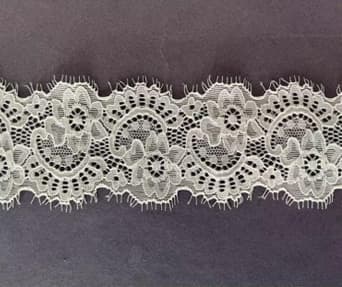
Lace fabrics are a versatile choice in fashion, home décor, and crafts, offering delicate patterns and elegant textures. Among them, cord lace stands out for its distinctive raised design and structural depth. Unlike traditional lace fabrics, which are often flat and lightweight, cord lace incorporates a thicker thread or cord that outlines patterns, creating a three-dimensional effect. This unique characteristic makes cord lace ideal for garments and applications that require both visual appeal and tactile texture.
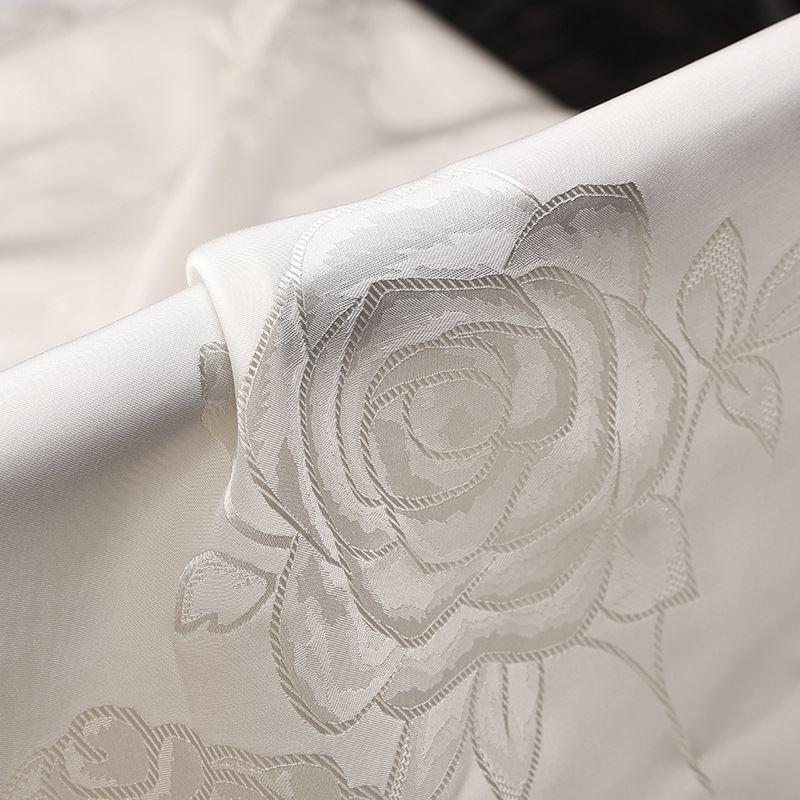
China has become a leading hub for high-quality textile production, and the China jacquard lace fabric industry is no exception. Renowned for its intricate patterns and durable materials, jacquard lace is widely used in fashion, home décor, and wedding apparel. Many designers and retailers seek reliable suppliers to ensure both aesthetic appeal and consistent quality in their products.
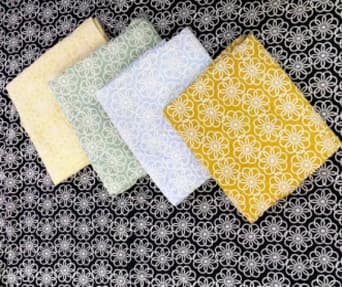
In the competitive textile industry, finding a reliable lace fabric manufacturer is crucial for brands that want to stand out with high-quality and unique designs. A professional manufacturer can offer a wide range of lace materials, patterns, and finishes, ensuring that every piece meets the aesthetic and functional needs of your brand. Whether you are producing elegant dresses, bridal wear, or home décor, partnering with an experienced lace supplier guarantees consistency and craftsmanship.

Breathability is one of the most important factors when selecting fabrics for intimate apparel.Since lingerie and undergarments are worn directly against the skin for extended periods,the fabric must allow air circulation and moisture evaporation.
Whatsapp: +86-137-1297-3009
Contact: Sophie Liao
Mailbox: sophie@chuanchencrafts.com
Add:Room 304, No.11, Jiaoyu Road, ZhangCun, Dongcheng Street, Dongguan City- 523112, China.

Wechat customer service
Copyright © 2026 Dongguan Chuanchen Craft Products Co., Ltd All rights reserved.